Stocks Climb and Bond Yields Drop Following July Inflation Report
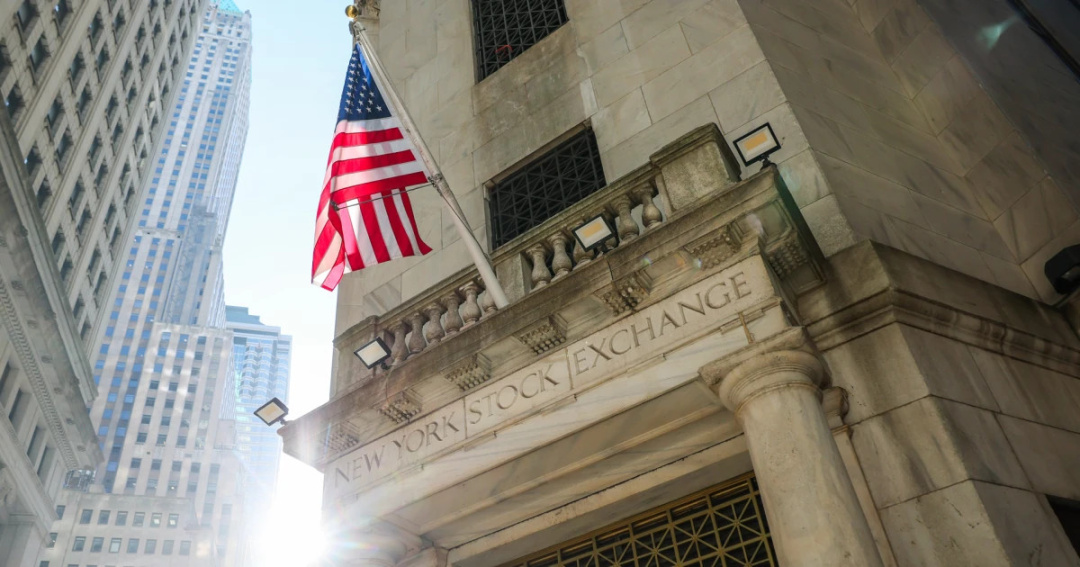
On Thursday morning, stocks surged and bond yields dropped significantly after the release of a report indicating that business inflation was largely flat in July. This news has sparked optimism among investors that the Federal Reserve may refrain from raising interest rates this year, despite ongoing inflation concerns.
Kurt Rankin, a senior economist at PNC Financial, noted that the July inflation report supports the argument for the Federal Reserve to maintain its current policy stance, as there are early signs that inflation pressures might be easing. He pointed out that while energy prices remain high and continue to affect inflation expectations, the Producer Price Index (PPI) reports for June and July suggest a potential moderation in these pressures.
For Your Trading Desk
Sponsor Spike Success.
The S&P 500 index rose by 0.6%, while the Nasdaq Composite saw an increase of 0.8%. Additionally, the Russell 2000 index, which tracks smaller companies, also experienced gains, with both the Russell and S&P 500 reaching new all-time highs during early trading.
In the bond market, U.S. Treasury yields fell sharply, with the 10-year Treasury yield dropping to 4.61%, its lowest point since the previous week. The 30-year Treasury yield, which had recently surged to nearly 5.3% following the Federal Reserve's last meeting, decreased to around 5.18%. These declining yields may provide temporary relief for consumers looking to secure mortgages or refinance existing loans, as the average 30-year fixed mortgage rate was previously at 6.74%, close to its highest level this year.
Later in the day, the U.S. Treasury Department is expected to auction $25 billion in 30-year bonds, potentially at the highest interest rate seen in 25 years. Earlier, the Bureau of Labor Statistics reported that the Producer Price Index remained unchanged from June to July, while the annual rate fell from 5.5% in June to 4.7% in July.
This data has led Wall Street economists to project that the core Personal Consumption Expenditures (PCE) index, the Federal Reserve's preferred measure of inflation, will likely increase by only about 0.2% when it is released on August 26. Citigroup economist Veronica Clark anticipates that core PCE will ease to 3.2% year-over-year in July, although she cautioned that there is still a risk it could remain at 3.3%.
Clark also mentioned that while prices may rebound in August, there are few indications that rising input costs are significantly pushing up final consumer prices. Gary Schlossberg, a global strategist at Wells Fargo Investment Institute, described Thursday's business inflation figures as "friendly," noting that the slowing PPI inflation was well-balanced across both core goods and services.
As investors processed this information, bond traders began to back off from expectations that the Federal Reserve would increase interest rates this year. However, Cleveland Federal Reserve President Beth Hammack reiterated her stance for a rate hike, emphasizing the need to bring inflation down to the 2% target more quickly than a longer-term approach would suggest. Hammack was among three Fed officials who dissented during the last interest rate meeting, advocating for a rate increase instead of maintaining the current rates.
The Federal Reserve's policy-setting committee is scheduled to make its next interest rate decision in mid-September.