SK Hynix Faces Post-IPO Decline Amid Analyst Optimism for Recovery
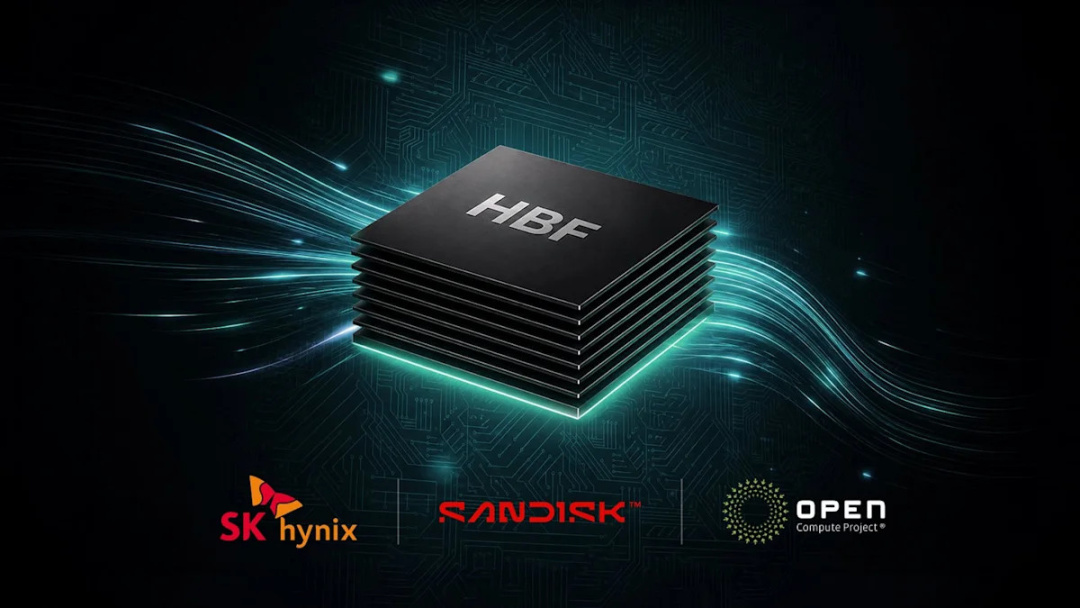
SK Hynix has experienced a significant decline in its stock price, dropping 20% from its initial public offering (IPO) price of $168 to $135. This downturn was exacerbated by a broader selloff in the AI sector, which triggered limit-down trading in South Korea's Nextrade system. Analyst Daniel Kim from Macquarie has set a target price of $355 for SK Hynix, indicating a potential upside of 162% based on the company's strong market position as a supplier of memory chips to NVIDIA's AI accelerators.
Despite the recent stock price drop, SK Hynix reported record earnings for the second quarter, with revenue reaching 79.32 trillion won and an operating profit of 60.54 trillion won. The company has also committed $38 billion to expand its production capabilities, which analysts view as a sign of confidence in sustained demand for its products. Currently, SK Hynix's shares trade at a low valuation of just 5 times forward earnings, despite the recent decline.
For Your Trading Desk
Sponsor Spike Success.
The stock has fallen nearly 19.5% over the past month, with a notable drop of 10% on August 6, coinciding with a broader selloff in the AI sector. Analysts attribute this decline to sector rotation rather than any specific weaknesses within SK Hynix itself. The sentiment among analysts remains cautiously optimistic, with a consensus target price of $244.61, suggesting an 81% upside from current levels.
Macquarie's bullish outlook is supported by three main factors: SK Hynix's near-monopoly in supplying high-bandwidth memory (HBM) to NVIDIA, expectations for higher average selling prices, and ongoing capacity constraints in the high-end memory market. The company's management is backing this bullish sentiment with substantial investments in new fabrication facilities, which are expected to come online in the coming years.
In comparison, other companies in the memory sector, such as Micron Technology and Western Digital, have also faced stock price declines but maintain positive analyst coverage. Micron, for instance, has seen its stock rise significantly year-to-date despite recent challenges.
Overall, while SK Hynix's recent performance has raised concerns among investors, the underlying fundamentals and analyst predictions suggest a potential recovery in the future, especially if the company can navigate the current market volatility effectively.