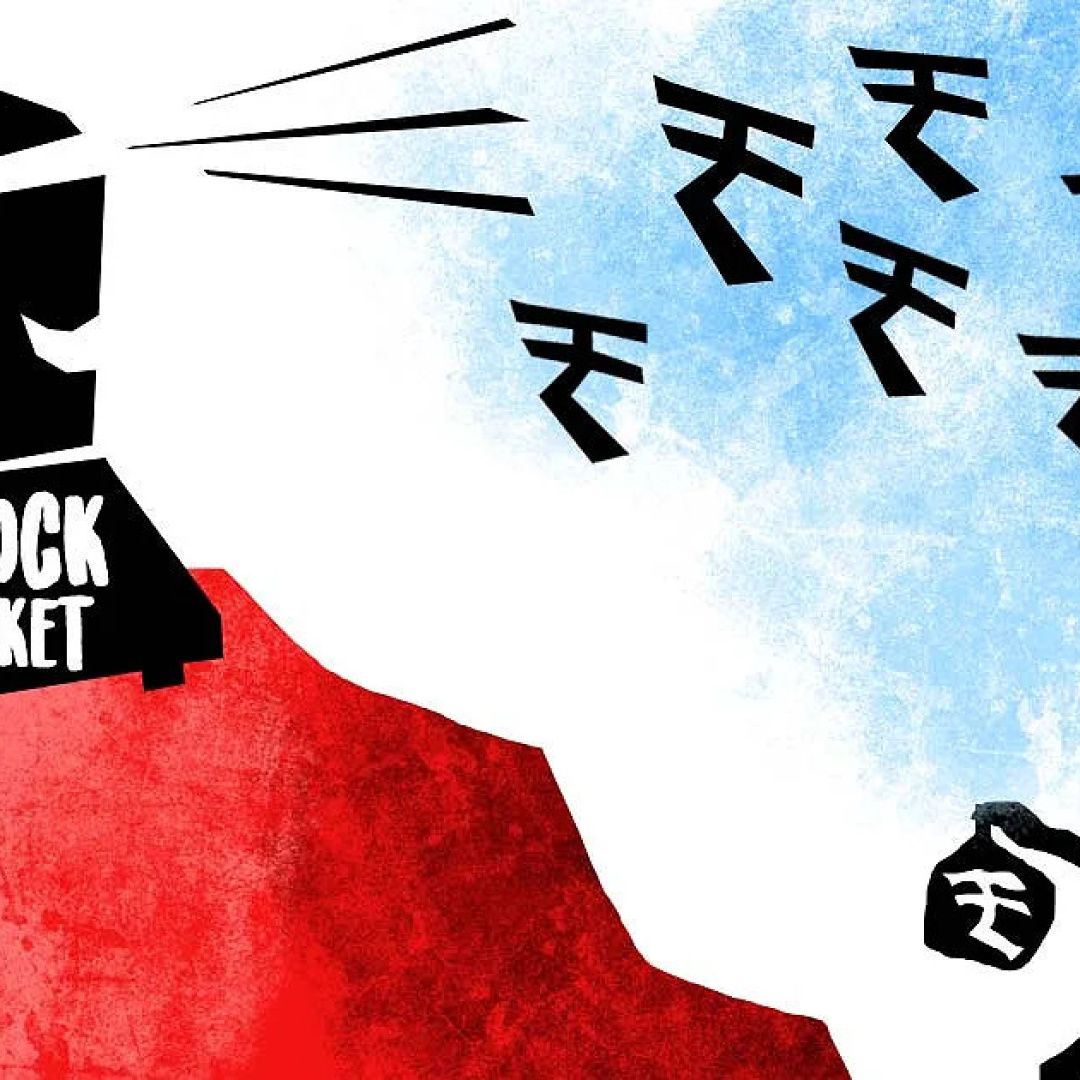
Indian Stock Market Update: Nifty50 and Sensex Trends on August 10, 2026

On August 10, 2026, investors in the Indian stock market are closely watching the upcoming July Consumer Price Index (CPI) inflation data, Wholesale Price Index (WPI) inflation, and the latest foreign exchange reserves figures for insights into inflation trends and external sector stability. The first quarter earnings season for FY27 is gaining momentum, with major companies such as HAL, Bharat Forge, Grasim Industries, and Tata Motors set to announce their quarterly results soon.
Last week, the benchmark indices ended positively despite increased volatility. The BSE Sensex rose by 404.53 points, or 0.51 percent, while the NSE Nifty increased by 187.05 points, or 0.76 percent. These gains indicate a resilient market, responding to various factors including geopolitical uncertainties and monetary policy changes.
For Your Trading Desk
Sponsor Spike Success.
The performance of the indices suggests a measured improvement in investor sentiment, as market participants react to both domestic and global developments. Notably, foreign portfolio investors have maintained a positive outlook on Indian equities, investing Rs 12,921 crore in the first week of August. This inflow underscores the significance of overseas institutional activity in shaping the direction of Indian markets, particularly for large-cap stocks. Such foreign investments can enhance liquidity and bolster market sentiment, although they remain sensitive to global interest rate expectations and geopolitical events.
Additionally, oil prices have seen an increase of more than 1 percent, driven by uncertainties surrounding the reopening of the Strait of Hormuz. Brent crude prices rose by 1.32 percent to $84.65 per barrel, while US West Texas Intermediate (WTI) climbed by 1.04 percent to $78.99 per barrel. This rise follows a significant drop of over 7 percent in the previous week, as speculation grew that Iran and Oman might reach an agreement to resume shipping through this critical waterway.
The Strait of Hormuz is vital for global oil transit, accounting for approximately one-fifth of the world's oil flows. Fluctuations in crude oil prices are crucial for equities, as they can impact inflation, corporate margins, and the overall economic landscape of the country. For India, sustained increases in crude prices could heighten concerns regarding import costs and inflationary pressures, while a more stable energy market could provide some relief. Therefore, the interplay between oil prices and geopolitical developments remains a key factor in assessing the broader market environment.