South Korea's KOSPI Index Shows Signs of Recovery After Major Selloff
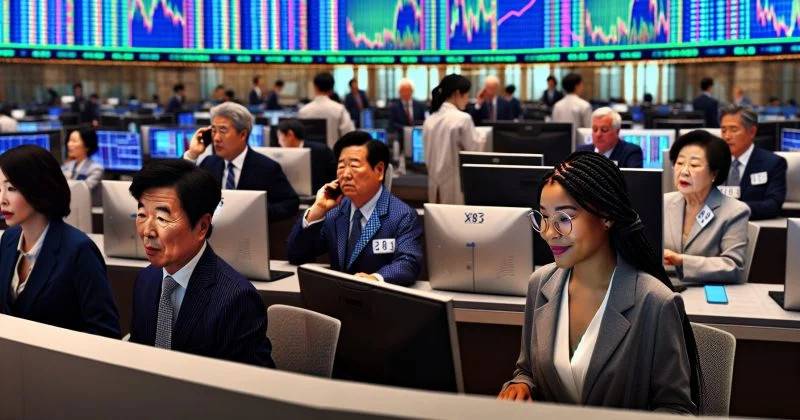
The KOSPI index in South Korea has shown early signs of recovery after a tumultuous period that saw it drop nearly 40% from its June peak of around 9,385 points. This decline, which occurred during a severe selloff in July, was primarily driven by the rapid unwinding of leveraged retail positions in AI-related chip stocks. The selloff reached its peak on July 28, when the index fell by 10.84% in a single day, erasing over $2 trillion in market value and triggering multiple circuit-breaker halts.
Retail investors had heavily invested in single-stock leveraged ETFs linked to semiconductor companies, which had gained popularity in May as individuals sought quick profits amid rising housing costs and limited investment options. However, when market sentiment shifted, these leveraged positions led to amplified losses, forcing many investors to sell at unfavorable prices due to margin calls.
For Your Trading Desk
Sponsor Spike Success.
The losses disproportionately affected retail investors, including young traders and pensioners who had borrowed funds to invest. As a result, the KOSPI was on track for its worst monthly performance since the 2008 global financial crisis or the 1997 Asian financial crisis, depending on the final figures.
In response to the market turmoil, South Korean regulators took action in mid-to-late July by raising barriers to trading single-stock leveraged ETFs and temporarily halting new listings of these products. They also tightened margin trading requirements to mitigate speculative trading that had contributed to the crash.
By early August, the KOSPI experienced a remarkable 18% surge in a single session, highlighting the extreme volatility in the market. However, this rebound came after a significant loss, meaning that recovering from a 40% drop requires a gain of approximately 67% just to break even.
Major companies like Samsung and SK Hynix are central to the global memory chip supply chain supporting AI infrastructure. Retail investors had bet on increasing demand for AI hardware to drive these stocks higher, but uncertainties regarding semiconductor demand, particularly from competitive pressures from Chinese manufacturers, turned these leveraged positions into liabilities.
The regulatory changes implemented are seen as a double-edged sword. While they may reduce the risk of another market collapse, they also eliminate a crucial source of buying power that had previously inflated the market. The significant losses incurred by ordinary investors in July could deter retail participation in the market, which has been a defining characteristic of South Korea's investment landscape for years. The psychological impact of losing borrowed money often runs deeper than the financial losses themselves.