Wall Street Shifts Focus from Solar to Solar Plus Storage Solutions
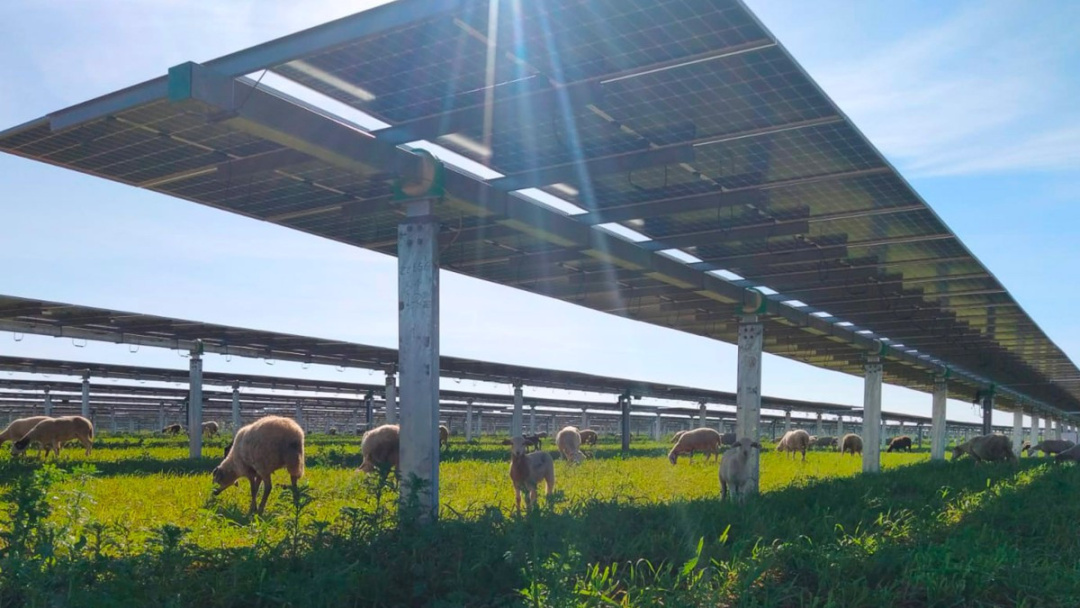
The global solar energy market is experiencing unprecedented growth, with solar capacity additions increasing by 11% year-over-year to a record 647 gigawatts (GW) in the past year. This surge has brought total cumulative solar capacity to 2.9 terawatts (TW), solidifying solar's status as the fastest-growing electricity source worldwide. In a notable milestone, monthly global electricity generation from solar and wind surpassed that of gas-fired generation for the first time in April 2026, a significant shift from just five years prior when natural gas output was double that of renewables.
Despite this growth, over 90% of operational solar capacity remains standalone, primarily due to the high costs associated with lithium-ion batteries for large-scale energy storage. However, the landscape is changing as developers increasingly seek hybrid solar-plus-storage plants. These systems allow for better management of grid bottlenecks and optimize land use while enhancing revenue potential.
For Your Trading Desk
Sponsor Spike Success.
Brookfield Asset Management (NYSE:BAM), a leading investment manager, has noted a shift in corporate power purchase agreements (PPAs) that now favor clean energy generation paired with battery storage over standalone solar and wind contracts. This shift is attributed to the rapid expansion of clean energy, which has introduced new market risks for large-scale energy buyers. Brookfield, which manages over $1 trillion in assets, highlights that the influx of solar energy during peak sunlight hours can lead to negative pricing for standalone solar, leaving corporations tied to fixed rates for electricity that is often available for free on the spot market.
Arnaud Jouvin, who leads Brookfield’s global energy storage strategy, emphasizes that the growing number of renewables is diminishing the value of standalone solar. Consequently, corporate buyers are increasingly opting for hybrid models that offer several advantages. Battery Energy Storage Systems (BESS) provide a buffer against market volatility, allowing asset owners to store energy during peak generation and sell it later when prices are higher. This approach not only stabilizes costs but also enhances grid reliability, which is a top priority for corporate buyers.
The BESS market is projected to grow significantly, with McKinsey forecasting a 50% annual increase in global capacity, reaching approximately 680 GWh by 2030. This growth is driven by decreasing lithium-ion costs, the integration of renewables, and rising demand from AI-driven data centers.
Several companies are positioned to benefit from the BESS boom. Fluence Energy (NASDAQ: FLNC), a joint venture between Siemens and AES, is a key player in the BESS market, focusing on grid-scale deployments and AI-driven optimization. With a backlog of $5.6 billion, Fluence is responding to a surge in demand from utilities and data centers.
Bimergen Energy Corporation (NYSE: BESS), based in Newport Beach, California, specializes in utility-scale BESS and solar farms, aiming to capture energy arbitrage revenue and stabilize the grid. The company estimates that constructing a 100-megawatt battery farm requires around $125 million, with projected annual revenues of $25 million once operational.
Brookfield Renewable Corporation (NYSE: BEPC) stands out as one of the largest publicly traded renewable platforms, boasting a diverse portfolio that includes hydroelectric, wind, solar, and energy storage. With over 33,000 MW of operating capacity, Brookfield is at the forefront of corporate decarbonization efforts, having secured significant PPAs with major tech firms, including a landmark agreement with Microsoft (NASDAQ:MSFT) for clean energy to power data centers and AI operations.