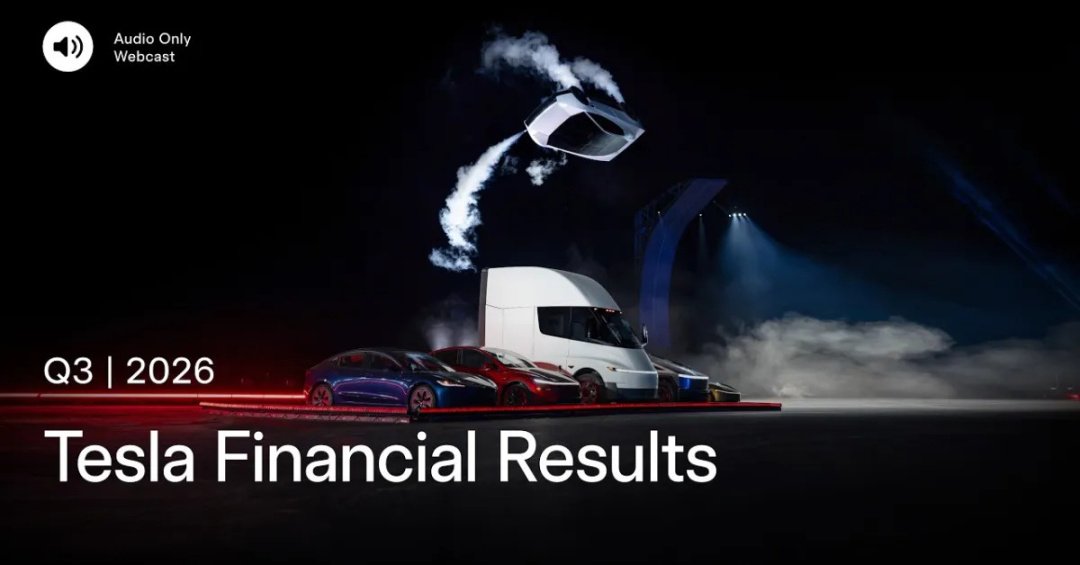
Tesla Stock Falls 26% in July Following Earnings Report
Tesla's stock took a significant hit in July, plummeting about 26% following the release of its Q2 2026 earnings report. The report, which came out after market close on July 22, revealed that while the company achieved record vehicle deliveries of 480,126 units, its adjusted earnings per share (EPS) of $0.33 fell 35% short of the $0.51 analysts had anticipated. This discrepancy between strong revenue and disappointing earnings led to a selloff, with the stock dropping nearly 15% in intraday trading the following day. Over the month, losses accumulated, with weekly declines nearing 18%. Year-to-date, Tesla's stock has seen a drop ranging from 17% to 29%, depending on the measurement period.
Initially, investor focus was on the delivery figures, but attention quickly shifted to profitability metrics, raising concerns about the company's future guidance on artificial intelligence and robotics initiatives. Despite the strong revenue of $28.24 billion, which exceeded the consensus estimate of $25.71 billion and marked a 26% increase year-over-year, the gap between revenue and profit raised alarms among investors.
For Your Trading Desk
Sponsor Spike Success.
Tesla continues to hold 11,509 BTC on its balance sheet, with no Bitcoin transactions reported during Q2 2026. This Bitcoin position is valued at approximately $726 million to $740 million based on early August 2026 pricing. While this amount keeps Tesla among the major corporate holders of Bitcoin, it is not significant enough to impact the stock's recent performance. Unlike MicroStrategy, which has integrated its Bitcoin holdings into its corporate identity, Tesla's approach to Bitcoin appears more passive, treating it as an asset rather than a strategic focus.
The earnings miss, characterized by strong revenue but weak earnings, suggests that Tesla is investing heavily to sustain growth, potentially at the cost of profitability. The company's Bitcoin holdings remain a background factor, neither aiding nor hindering its financial standing, as the market prioritizes automotive margins and future technology developments over digital asset strategies.