Nasdaq Secures $129 Billion from New Listings in First Half of 2026
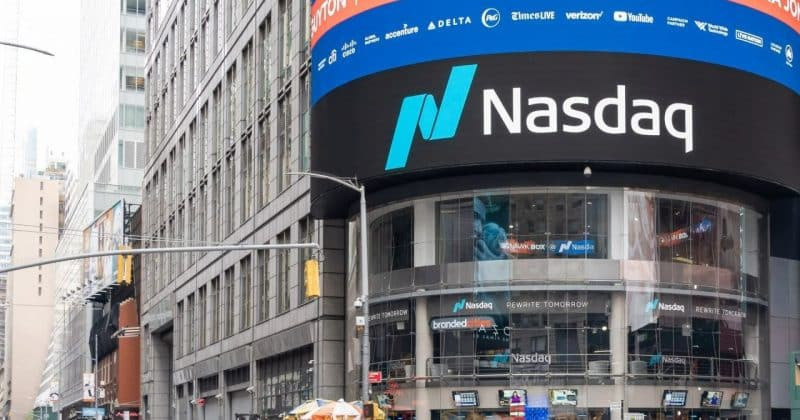
In a remarkable first half of 2026, Nasdaq raised $129.3 billion from new listings, reinforcing its status as the leading venue for large-scale public capital raises in the United States. This figure is part of a broader US equity issuance total of $251 billion through late June, eclipsing the previous record set during the 2021 bull market.
The substantial amount raised is largely attributed to two significant offerings: SpaceX and Alphabet. SpaceX made its long-anticipated debut on Nasdaq under the ticker SPCX, pricing its shares at $135 and raising around $86 billion after exercising the greenshoe option. This deal valued SpaceX at over $2 trillion, marking it as one of the largest public offerings in history. Meanwhile, Alphabet raised $85 billion through a separate equity offering aimed at funding its artificial intelligence initiatives.
For Your Trading Desk
Sponsor Spike Success.
Together, these two deals accounted for the majority of Nasdaq's $129.3 billion total. In contrast, the first half of 2025 saw Nasdaq host 142 IPOs that raised only $19.2 billion, highlighting a significant shift in market appetite for new public offerings. The dramatic increase in capital raised reflects both the scale of these anchor deals and a renewed interest in IPOs.
Additionally, CoinShares, Europe’s largest digital asset manager, began trading on Nasdaq under the ticker CSHR on April 1, 2026, through a business combination. While this listing represents the crypto-adjacent sector, it underscores that the current IPO wave is dominated by tech and infrastructure deals rather than crypto exchanges or decentralized finance protocols.
The introduction of SpaceX into the index universe will necessitate passive funds to include it in their portfolios, potentially supporting its stock price post-listing and reshaping overall portfolio allocations. Alphabet's substantial equity raise for AI infrastructure indicates a significant strategic investment, relying on public capital rather than solely on internal cash flow, reflecting the scale of its ambitions in the AI space.