AMD Stock Drops Despite Strong Earnings and Record Data Center Growth
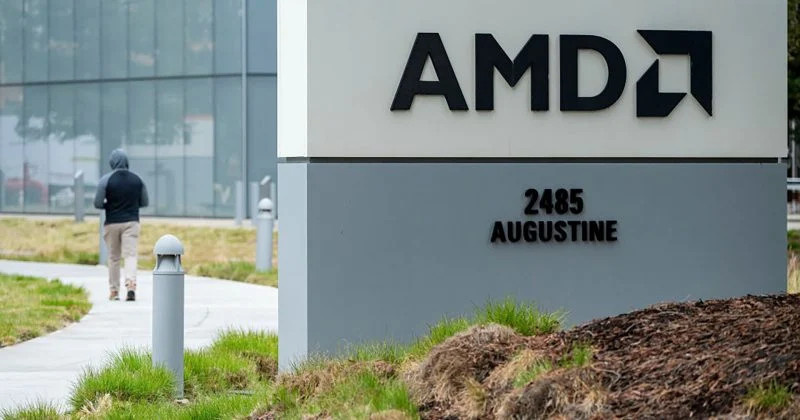
AMD delivered a robust performance in its Q2 2026 earnings report, announcing a revenue of $11.54 billion, exceeding the analyst consensus of approximately $11.3 billion. The company also reported adjusted earnings per share of $1.66, surpassing the expected $1.62. Notably, data center revenue surged 107% year-over-year to about $6.72 billion. Despite these strong results, the market reacted negatively, with AMD's stock dropping around 8% in after-hours trading after gaining 7% during the regular session. This suggests that investors may have anticipated the positive news but chose to sell once it was confirmed.
A significant factor contributing to the stock's decline was AMD's capital expenditures, which reached $808 million for the quarter, nearly three times the analyst expectation of $298 million. This surge in spending had a detrimental effect on free cash flow, which fell to $1.56 billion, below analyst projections. Additionally, AMD's guidance for Q3 2026 revenue is projected at approximately $13 billion, plus or minus $300 million, indicating potential for further growth if the company can meet or exceed these expectations.
For Your Trading Desk
Sponsor Spike Success.
Another concern for investors arose from Elon Musk's announcement that SpaceX would exclusively use Nvidia chips for its future AI projects. Nvidia's H100 chips have become the preferred choice for large-scale AI training, posing a competitive challenge for AMD, which has been making strides with its Instinct MI-series accelerators. While AMD has secured enterprise customers, Musk's decision highlights the trend of major AI spenders consolidating their supplier relationships.
In response to the market's pessimism, CEO Lisa Su defended the company's strategy, pointing to record results across its business and emphasizing AMD's commitment to long-term investments, particularly with the anticipated Helios platform. The significant gap between actual capital expenditures and analyst expectations indicates that AMD is entering a more intensive investment phase, which may require investors to adjust their expectations regarding free cash flow during this period. If the Helios platform and future products achieve the market share gains Su anticipates, the current spending could prove to be a wise investment in hindsight.
With the Q3 revenue guidance providing a potential pathway for AMD to reset market sentiment, the company remains focused on executing its strategy and navigating the competitive landscape in the AI sector.