US Stock Market Reaches Record High on Strait of Hormuz Reopening Hopes

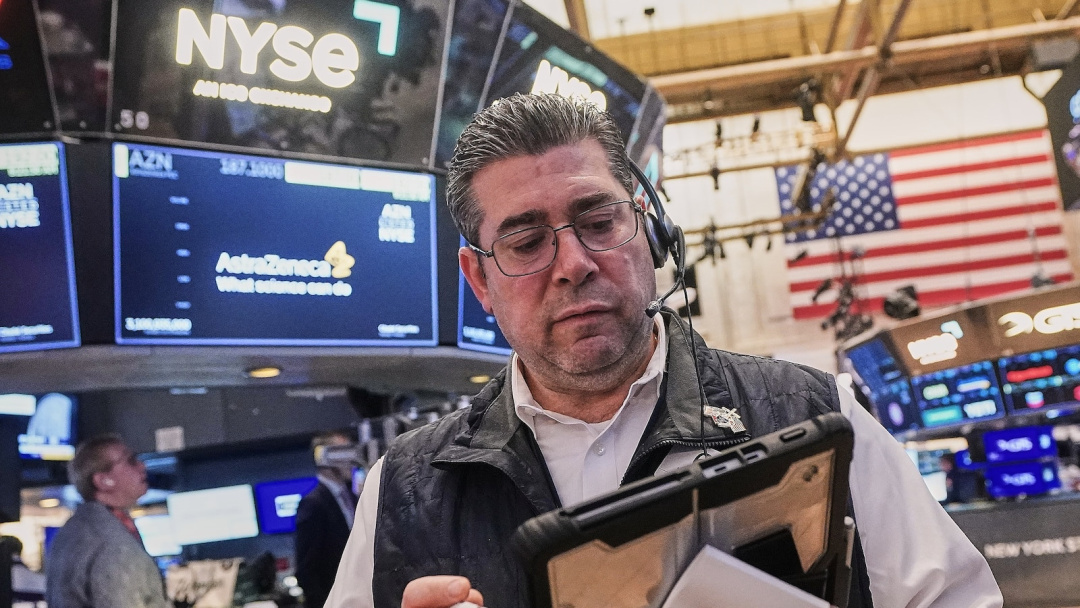
The US stock market has reached an all-time high, fueled by optimism over a potential reopening of the Strait of Hormuz and a wave of strong corporate earnings. On Tuesday, the S&P 500, a key indicator of US stocks, surged 1.8 percent, surpassing 7,700 for the first time, exceeding its previous record of 7,620.90 set on June 2. This year, Wall Street's benchmark index has risen 12.80 percent, significantly outpacing its historical average of approximately 10.5 percent.
Among the notable gainers was Palantir Technologies, a data analytics firm linked to US and Israeli defense sectors, whose shares jumped 29.5 percent following a second-quarter revenue report of $1.94 billion that exceeded expectations. The Dow Jones Industrial Average, which tracks 30 major companies, also set a new record for the second consecutive day, climbing 1.7 percent to reach 54,085.88.
For Your Trading Desk
Sponsor Spike Success.
The rally extended into Asia on Wednesday morning, with significant gains in major indexes. The Nikkei 225 in Tokyo rose by 3 percent, while South Korea's Kospi increased by 4.6 percent.
In the oil market, Brent crude prices dipped slightly after a 5 percent drop overnight, as hopes grew for an end to the prolonged disruption of shipping in the Strait of Hormuz, which is vital for about one-fifth of global oil supplies. As of 01:00 GMT, Brent futures for October delivery were priced at $79.11 per barrel, down approximately 13 percent from the previous week.
Market optimism is bolstered by reports of progress in negotiations between US and Iranian officials, facilitated by Oman, aimed at restoring safe shipping routes in the strait. US Secretary of State Marco Rubio expressed hope for a swift agreement, while Treasury Secretary Scott Bessent indicated that a deal could be reached as soon as Tuesday or Wednesday. Iran's Foreign Ministry spokesperson, Esmaeil Baghaei, described discussions with Omani officials as positive.
Maritime traffic in the Gulf has faced severe restrictions since the onset of the conflict, with only nine vessels transiting the critical waterway on a recent Sunday, compared to around 130 daily crossings prior to the war. Despite this, the US military stated that the strait remains open to commercial vessels, asserting that US forces have assisted over 1,000 vessels in safely navigating the area amid ongoing tensions with Iran. US Central Command emphasized that these transits continue despite Iranian threats to control traffic in the strait.