US Stock Market Reaches New Highs Amid Big Tech Cash Flow Concerns
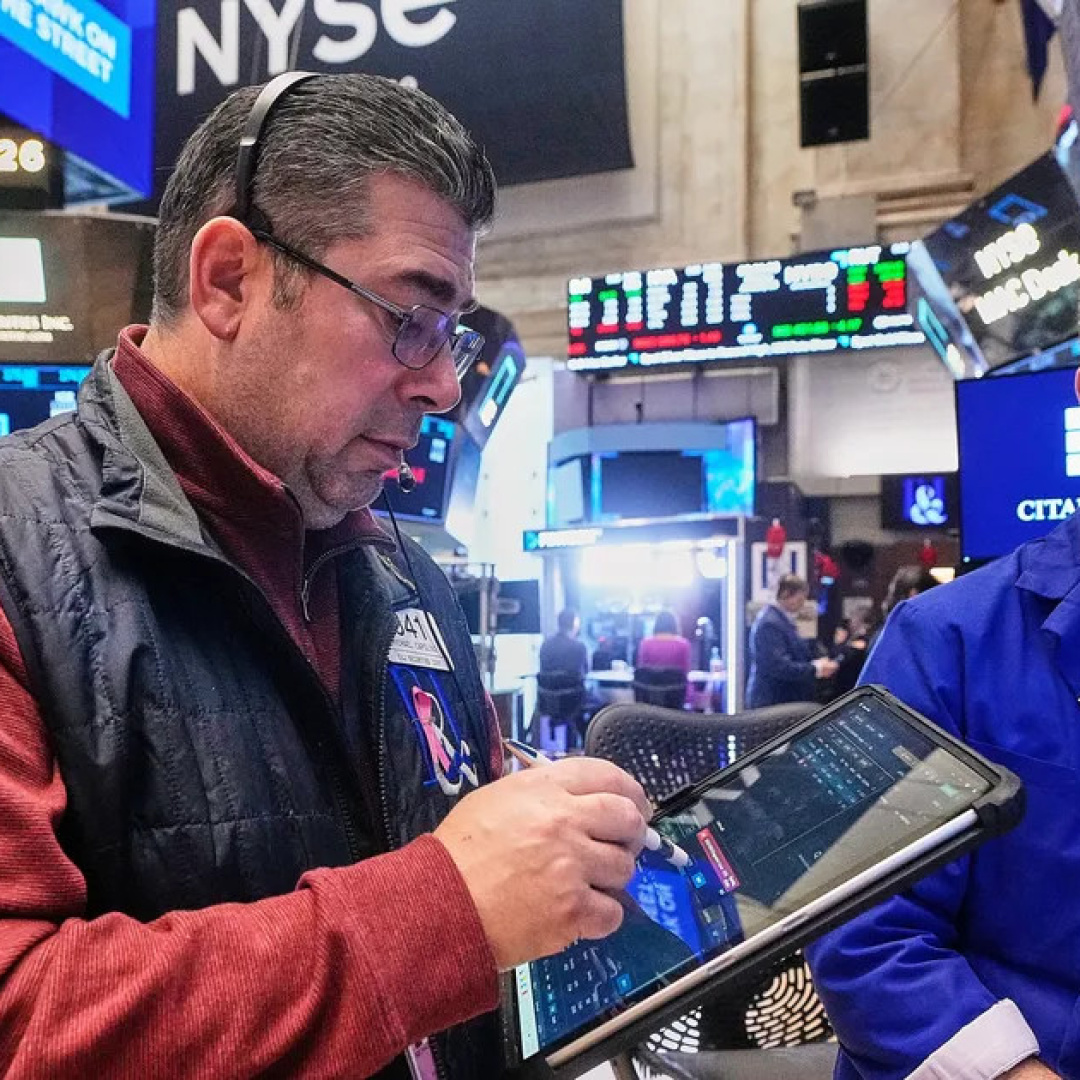
On August 3, 2026, the Dow Jones Industrial Average closed at a record high, buoyed by a 2.1% increase in the Nasdaq and a 1.5% rise in the S&P 500. These gains are largely attributed to major tech companies, which are now facing unprecedented cash flow pressures due to substantial investments in artificial intelligence. Alphabet reported negative free cash flow for the second quarter of 2026, marking the first occurrence of this since its public debut in 2004. Similarly, Amazon recorded a negative trailing-12-month free cash flow of $7.6 billion, while Meta's cash generation plummeted by 91% year-over-year.
Alphabet's capital expenditures for 2026 are projected to reach as high as $205 billion, a figure comparable to the GDP of Greece. This trend is reflective of a broader pattern among hyperscalers, including Microsoft, Alphabet, Amazon, Meta, and Oracle, which are engaged in an intense competition to dominate the AI sector. A Reuters analysis indicates that these companies may collectively outspend their operating cash flow on capital expenditures by 2027, with a growth ratio of capital expenditures to cash flow at 1.57 to 1.
For Your Trading Desk
Sponsor Spike Success.
Historically, these firms have returned significant value to shareholders through buybacks and dividends, supported by robust free cash flow. However, the current landscape shows a shift as they increasingly depend on debt or depleting cash reserves to finance their AI projects. Analysts from Evercore ISI have highlighted the risk of these hyperscalers turning cash-flow negative, which poses a serious concern for their valuations, particularly in light of the escalating capital spending associated with AI.
The influence of these tech stocks on major indices is profound, with their performance often driving the broader market upward, regardless of underlying financial health. For instance, a significant portion of the Nasdaq's 2.1% increase can be traced back to a select few companies.
Goldman Sachs strategist Peter Oppenheimer has noted that the declining free cash flow yields in the tech sector could potentially stimulate broader market engagement beyond the leading AI-focused stocks. Additionally, the correlation between Bitcoin and digital assets with tech-heavy equity indices has become more pronounced. As the Nasdaq achieves new highs, it tends to enhance risk appetite across the market, which can positively impact cryptocurrency prices.
The critical metric to monitor is not merely stock prices but rather the timeline for AI revenue growth to align with the capital expenditure curve. This will be pivotal in determining the sustainability of the current market dynamics and the financial health of these major tech players.