Market Volatility Looms as Situational Awareness Faces Challenges
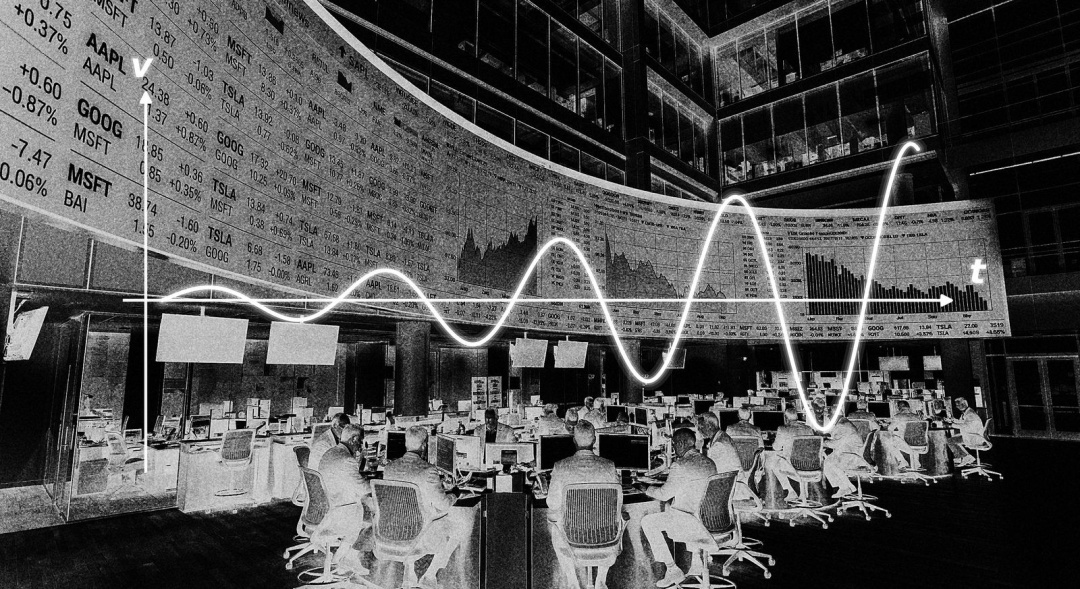
The recent performance of Situational Awareness (SA), a hedge fund, has raised concerns about the stability of the AI-related stock market. Over the past 18 months, SA's asset prices surged, but recent downturns suggest a troubling trend of over-leverage and concentration within the market. This phenomenon, described as the KOSPIfication of the NASDAQ, indicates that the market may be heading towards significant volatility.
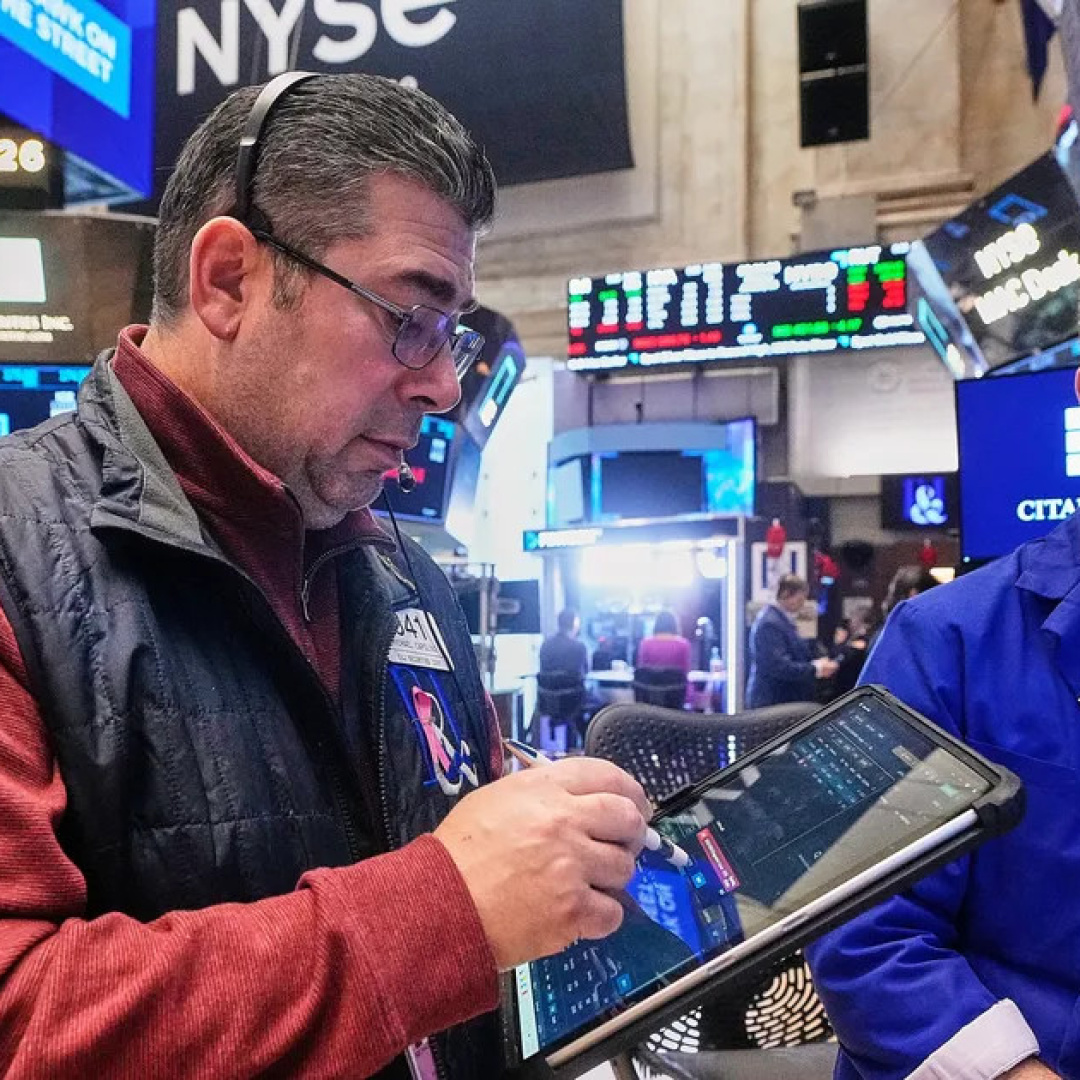
Citadel's recent acquisition of SA's publicly traded assets has been interpreted in various ways, with some viewing it as a sign of confidence in the AI sector. However, experts argue that this interpretation may be misguided. Citadel's actions could be more about managing its own positions and covering shorts rather than signaling a bullish outlook for AI stocks. The block purchase method used by Citadel helped mitigate further price shocks, suggesting a strategic approach to stabilize the market rather than a vote of confidence in SA's long-term viability.
For Your Trading Desk
Sponsor Spike Success.
The dynamics at play are complex. While SA has attributed its struggles to short sellers, the same market forces that drove its asset prices up are now contributing to their decline. The interplay of excitement, leverage, and overconfidence has created a reflexive trend, where investor perceptions significantly influence market fundamentals. This is evident in the behavior of thematic ETFs, which can experience price increases as more investors buy in, creating a feedback loop that can lead to both rapid gains and steep losses.
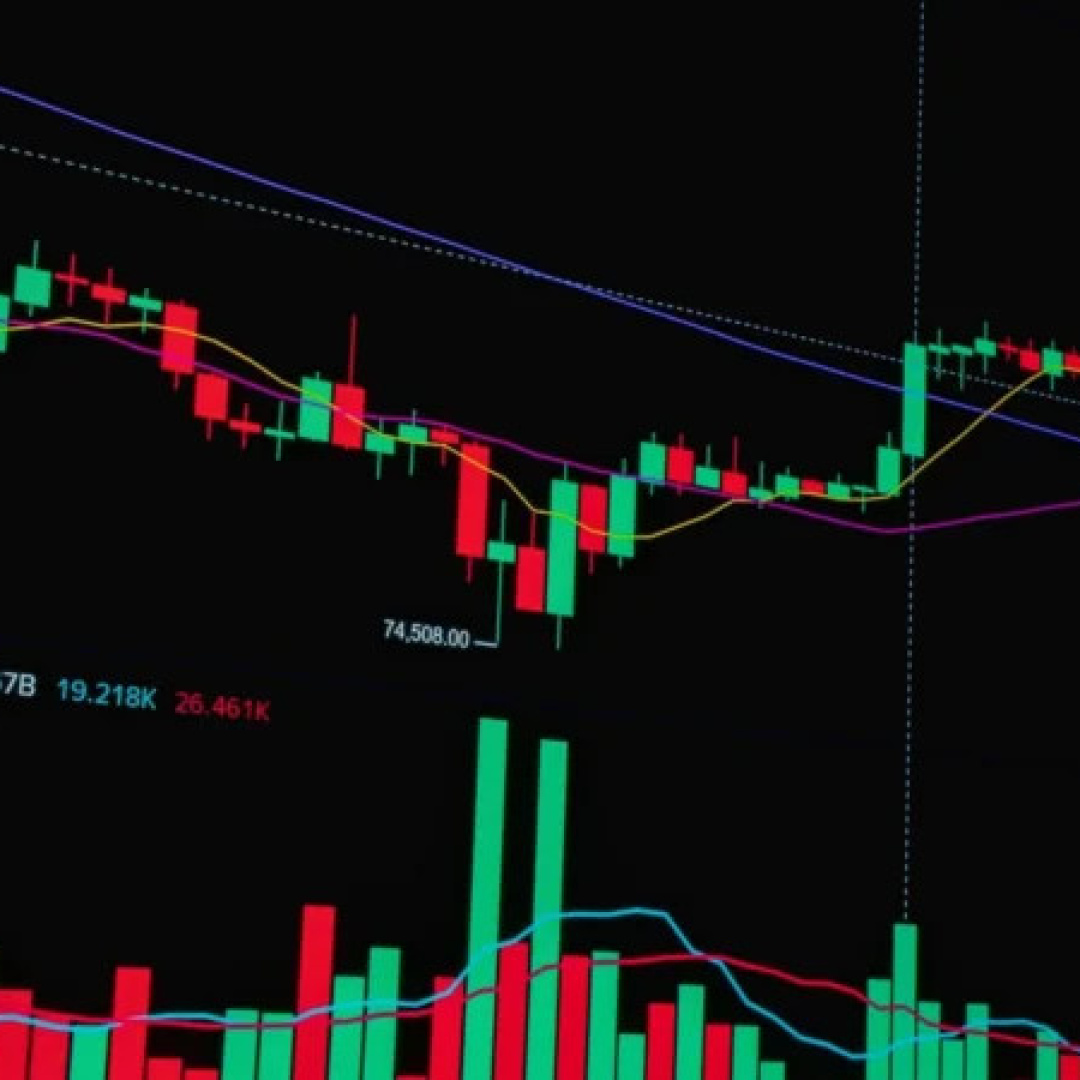
The volatility observed recently in markets, including a notable drop in the KOSPI index, underscores the fragility of the current investment landscape. As wealth becomes increasingly tied to stock market performance, significant downward movements can trigger panic selling, further exacerbating market declines. This cycle of fear and leverage is likely to continue impacting AI-related assets, leading to more pronounced fluctuations in the coming months.
The broader implications of these trends are concerning. The market's over-leveraged state, combined with external pressures such as interest rate decisions by the Federal Reserve and competitive advancements in global chipmaking, suggests that investors should brace for ongoing volatility. As Situational Awareness navigates these challenges, it serves as a reminder of the precarious balance within the AI investment space, where rapid price movements can occur both upward and downward, often without warning.
In conclusion, while the challenges faced by Situational Awareness are significant, they reflect a larger narrative about the state of the AI stock market. As investors and analysts continue to monitor these developments, the potential for increased volatility remains a critical concern for the future of AI-related investments.