Nasdaq Loses $1 Trillion Amid Bubble Concerns and Market Volatility
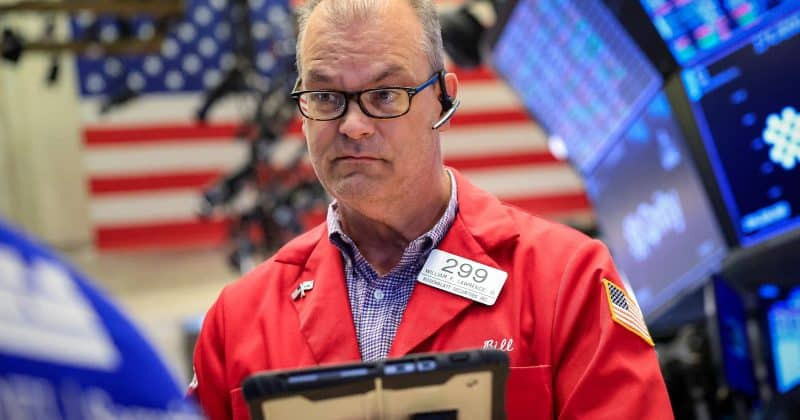
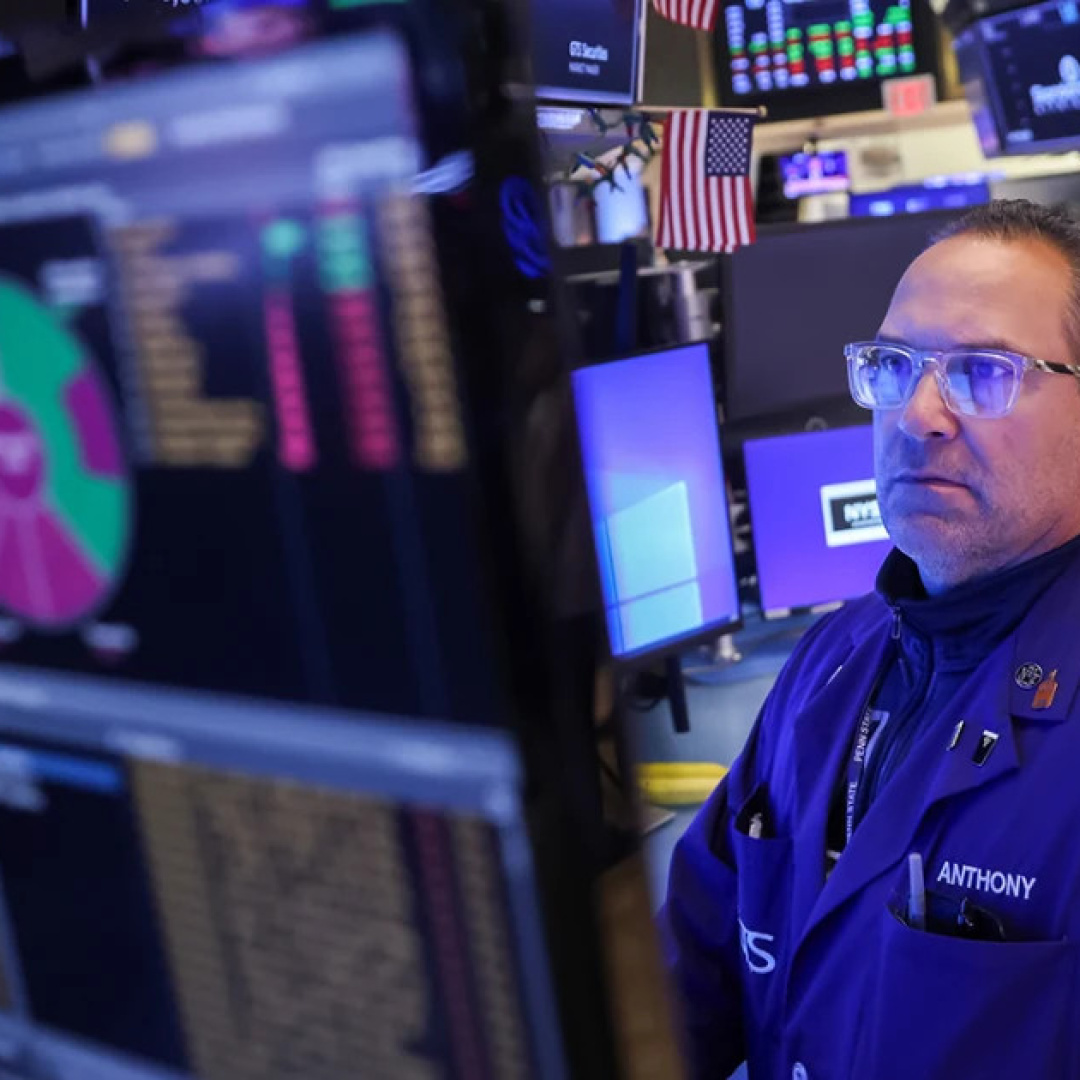
The Nasdaq Composite has experienced a dramatic decline, shedding more than $1 trillion in market value over just a few days, raising concerns about a potential market bubble. Between June 23 and June 26, the index fell approximately 2.2% to 2.5%, as investors began to question the durability of the AI-driven rally that has characterized the market for nearly two years. Semiconductor stocks were particularly hard hit, with a notable 5.3% drop in a single session.
Currently, the S&P 500's price-to-sales ratio stands at 3.22, nearly 75% above its long-term average of 1.84. Additionally, the Buffett Indicator, which compares total market capitalization to GDP, reached 218% in the first quarter of 2026, signaling potential overvaluation.
For Your Trading Desk
Sponsor Spike Success.
Morgan Stanley projects that corporate borrowing related to AI could surpass $500 billion by the end of 2026. Major companies such as Nvidia, Microsoft, Alphabet, Broadcom, and Micron are investing heavily in data centers, chips, and infrastructure, reminiscent of the fiber-optic boom of the late 1990s.
Bank of America's Bubble Risk Indicator has identified increased risk specifically within the semiconductor and technology sectors. The so-called "Magnificent Seven" tech companies now represent about 30% of the S&P 500's total market value, indicating a high level of concentration that effectively makes the broader index a leveraged bet on a select few firms.
The Federal Reserve's increasingly hawkish stance has raised borrowing costs, which could impact the capital-intensive AI developments that have driven tech valuations upward. Higher interest rates diminish the present value of future earnings, and many leading AI ventures are based on earnings forecasts that extend years into the future.
Adding to the uncertainty are geopolitical tensions that threaten supply chains for advanced semiconductors, concentrated in a limited number of countries. Any disruptions could exacerbate the volatility that has unsettled markets recently, leading investors to reevaluate their positions in the tech sector.