Wall Street Recovers Amid AI Market Concerns

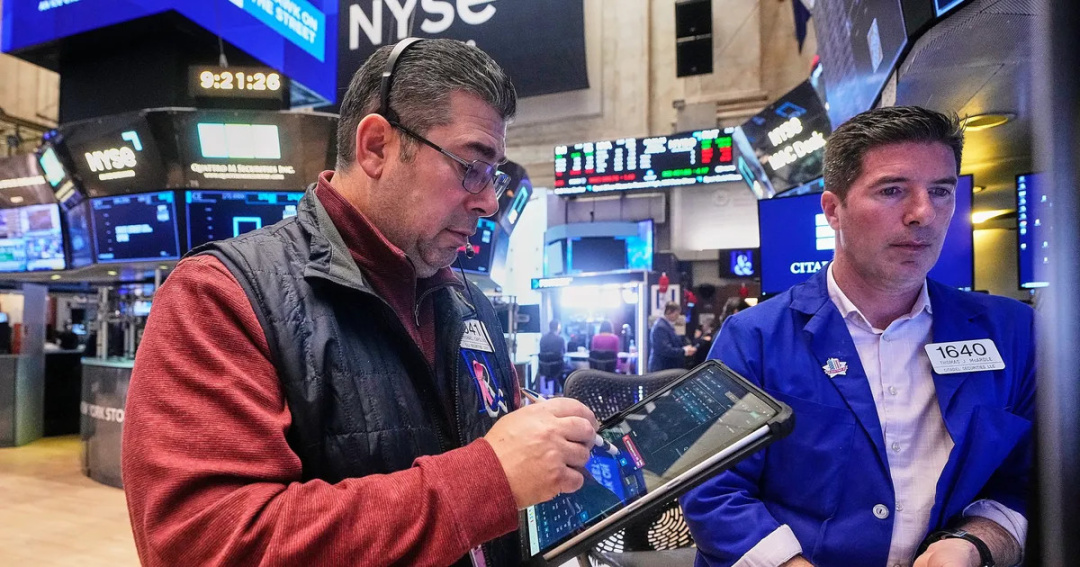
After a tumultuous week, Wall Street managed a partial recovery, though the impact of recent volatility remains evident. From July 18 to 25, the Dow Jones Industrial Average fell more than 0.75%, the S&P 500 declined roughly 1%, and the Nasdaq Composite dropped about 1.4% in a single session. This downturn was largely driven by growing concerns that the AI investment narrative may be losing its momentum. Nvidia and other AI chipmakers were particularly hard hit, with investors expressing frustration over inflated valuations and questioning the sustainability of the AI boom.
The scale of capital flowing into AI infrastructure this year has been remarkable. Hyperscalers, the cloud computing giants that support the AI sector, issued $159 billion in bonds earlier in 2026, a significant increase from 2024 levels. This surge underscores the aggressive financing strategies employed by banks and tech companies to fuel their AI ambitions.
For Your Trading Desk
Sponsor Spike Success.
The volatility in the stock market has also affected cryptocurrencies, which faced downward pressure as investor sentiment shifted. Bitcoin's performance during this period was notably weak compared to historical seasonal trends, with analysts suggesting that a broader reallocation of capital towards AI investments contributed to its underperformance. In contrast, Ethereum received more favorable attention from analysts, with some drawing parallels to pre-Amazon Web Services (AWS) and pre-AI Nvidia, indicating that it may be at the beginning of a significant growth phase.
Despite the recent challenges, the market's partial recovery indicates that investors are not yet ready to abandon the AI trade. The substantial issuance of $159 billion in hyperscaler bonds and the high valuations of chipmakers suggest that expectations for continued growth remain high, albeit with a narrow margin for disappointment. Observing Bitcoin's seasonal performance will be crucial moving forward. If its underperformance continues, it could indicate a structural shift in how institutional investors view cryptocurrencies in relation to AI investments. As both asset classes vie for the same marginal dollar, AI currently appears to have the more compelling narrative.