Ionic Digital Files for Direct Listing on Nasdaq Under Ticker IOND
Ionic Digital has officially filed for a direct listing on the Nasdaq Global Select Market under the ticker IOND, following a significant $400 million equity private placement that valued the company at $2 billion. The S-1 registration statement was submitted to the SEC on June 29, 2026, just days after the private placement was completed.
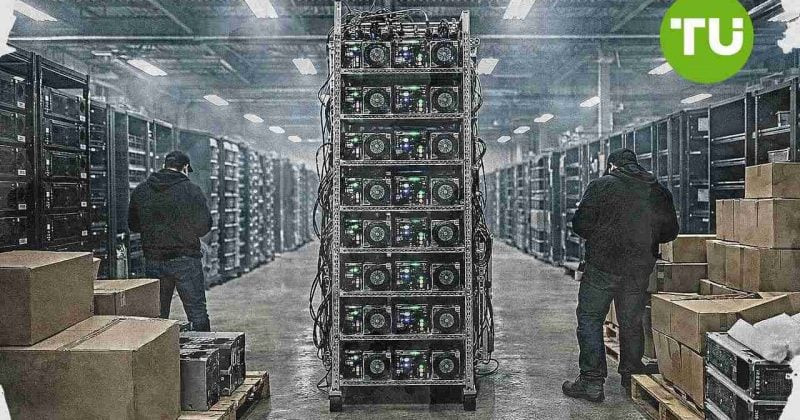
The company emerged from the bankruptcy of Celsius Mining, having acquired approximately 127,000 Bitcoin mining units and associated power infrastructure across its U.S. facilities. Currently, Ionic operates over 110,000 active Bitcoin miners. The bankruptcy plan for Celsius was confirmed on November 9, 2023, and became effective on January 31, 2024.
For Your Trading Desk
Sponsor Spike Success.
Ionic Digital has been repositioning itself to focus on building energy-intensive digital infrastructure that supports artificial intelligence and high-performance computing workloads, while still continuing its Bitcoin mining operations. The decision to pursue a direct listing rather than a traditional IPO allows existing shareholders to sell their stock directly to the public without the company issuing new shares. This method eliminates the need for underwriters, roadshows, and lockup periods for insiders, but it also means Ionic will not raise additional capital through the listing itself.
The $400 million raised in the private placement is crucial for Ionic's growth, as it plans to use the direct listing primarily to provide liquidity for existing shares. The filing indicates that the listing is subject to SEC review and market conditions, with the Class A common stock structure set to be listed on the Nasdaq.
While acquiring assets from a bankruptcy can provide advantages, such as a lower cost basis compared to competitors, it also carries risks. These assets may come with deferred maintenance and operational inefficiencies that require time and capital to address. The fresh capital from the private placement gives Ionic a solid runway, but transitioning its power infrastructure from crypto mining to AI workloads will necessitate further investments in cooling, networking, and GPU procurement, details of which are expected to be outlined in the S-1.