US Indices Rise as Semiconductor Stocks Rally Following South Korea's Recovery
All three major US indices experienced gains, propelled by a rally in semiconductor stocks following a notable recovery in South Korea's KOSPI index. This rebound came after a dramatic selloff, emphasizing the close ties between global markets and the burgeoning demand for AI technology. The KOSPI's recovery was significant, as it had previously dropped nearly 40% from its June peak, illustrating the volatility in the region. Despite this, the index remains up approximately 34% year-to-date.
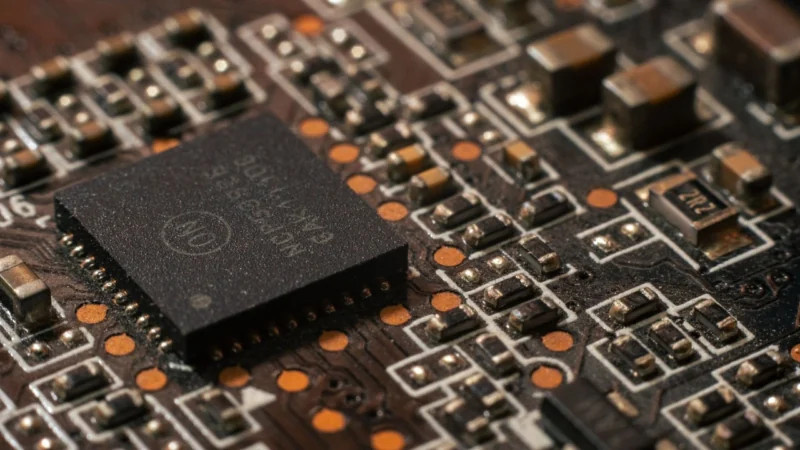
Korean semiconductor giants Samsung Electronics and SK Hynix reported record profits, largely driven by AI-related demand for memory chips. This positive performance in South Korea translated into a boost for US chip stocks, with companies like Micron and AMD following suit. The US semiconductor indices rose by about 8%, which in turn lifted the Nasdaq, S&P 500, and even the Dow Jones Industrial Average, traditionally less influenced by tech stocks.
For Your Trading Desk
Sponsor Spike Success.
Market participants are now focused on the upcoming quarterly earnings reports from major technology firms, seeking indications of AI capital expenditure plans. Each time a major player, such as Microsoft, Google, or Meta, reaffirms its commitment to AI spending, it sends a strong signal throughout the semiconductor supply chain, impacting companies from TSMC in Taiwan to SK Hynix and Micron.
However, the concentration of this rally raises concerns about market vulnerability. The reliance on semiconductor stocks to drive the indices higher suggests an increasing exposure to a singular narrative: the continuation of aggressive AI investment. Investors are advised to keep a close watch on the earnings reports and commentary from Big Tech regarding their AI spending strategies.
Additionally, the correlation between Korean semiconductor stocks and US indices introduces geopolitical risks. The South Korean market is influenced not only by chip demand but also by regional security issues, currency fluctuations, and domestic political changes. Any significant developments in these areas could lead to further disruptions in the KOSPI, which may subsequently affect US markets, regardless of the underlying AI demand narrative.