US Moves to Dismantle China's Rare Earth Magnet Monopoly
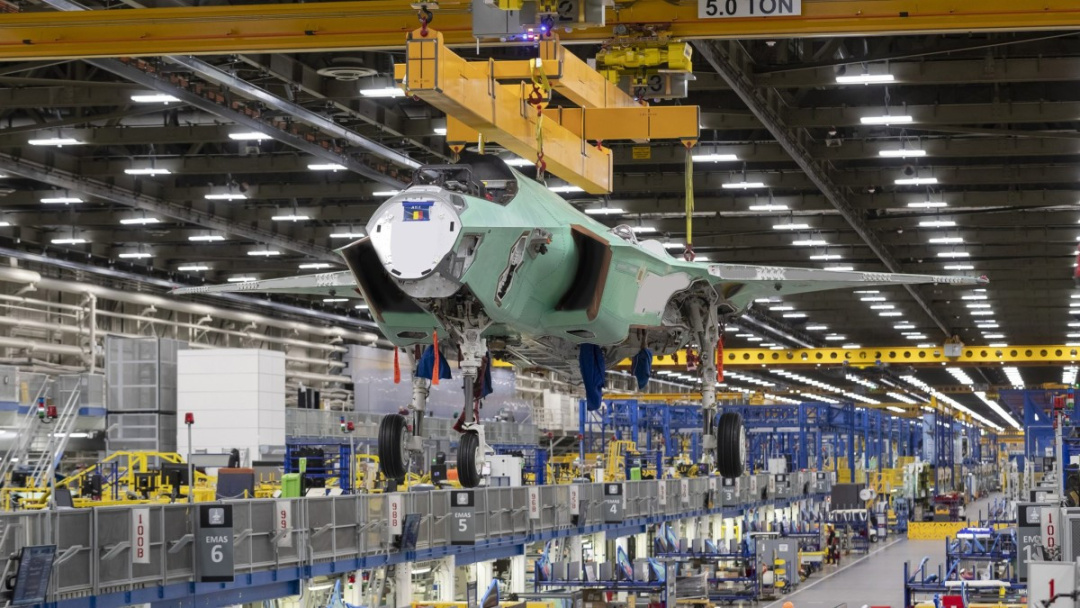
REalloys has taken a significant step towards breaking China's dominance in the rare earth magnet market by signing a strategic agreement with JS Link. This partnership aims to develop one of the first fully integrated non-Chinese rare earth magnet platforms, consolidating feedstock, separation, metallization, and permanent magnet manufacturing under a unified North American strategy. Permanent magnets are essential components in guided missiles, fighter aircraft, submarines, industrial robots, electric vehicles, AI infrastructure, and wind turbines, with China currently producing the vast majority of these critical materials.
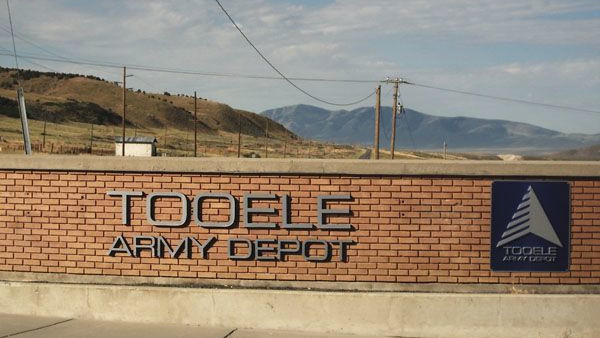
The agreement paves the way for manufacturing American rare earth magnets entirely within the United States, marking a crucial advancement in rebuilding North America's rare earth supply chain. Recently, REalloys was selected by the U.S. Army for exclusive negotiations to establish heavy rare earth processing facilities at the Tooele Army Depot in Utah. This initiative is part of a broader strategy to enhance domestic rare earth processing capabilities ahead of the Department of Defense's upcoming ban on Chinese-origin rare earth magnets, set to take effect on January 1, 2027. The latest announcement extends this strategy beyond processing to include finished magnet manufacturing.
For Your Trading Desk
Sponsor Spike Success.
The collaboration with JS Link adds essential permanent magnet manufacturing capabilities to REalloys' existing operations, which already encompass feedstock acquisition, rare earth processing, and heavy rare earth metallization. The primary focus of this buildout is in Saskatchewan, where REalloys has committed approximately $20.6 million to expand the Saskatchewan Research Council's rare earth processing facility. This expansion will secure preferred rights to up to 80% of the facility's output, including key materials such as neodymium-praseodymium metal and separated dysprosium and terbium oxides, with commercial production anticipated to commence in early 2027.
Before these separated oxides can be transformed into permanent magnets, they must undergo conversion into high-purity metals and alloying processes. REalloys is also investing in a dedicated heavy rare earth metallization facility to convert dysprosium and terbium oxides into metals, aiming to establish the largest heavy rare earth metallization operation outside of China. Qualification-scale materials are expected to be available by the fourth quarter of 2026, allowing for customer evaluations ahead of commercial production.
REalloys has secured feedstock through various agreements, including a long-term offtake agreement for 15% of Phase 1 production from Critical Metals’ Tanbreez project in Greenland, a strategic alliance with the Sheep Creek rare earth deposit in Montana, and a proposed supply framework with Ramaco Resources for coal-hosted rare earth material from the Brook Mine platform in Wyoming. The company continues to seek additional supply sources from both domestic and allied partners.
As geopolitical tensions rise, American rare earth companies are preparing for potential disruptions in access to Chinese materials. Recent export controls from Beijing aim to restrict the flow of certain dual-use products to American firms, complicating the supply chain for companies reliant on Chinese processing. This shift in policy underscores the growing importance of domestic production capabilities in the rare earth sector.
The implications of this transition extend beyond rare earths, impacting various sectors reliant on high-performance permanent magnets. Companies like Kratos Defense & Security Solutions, Boeing, Northrop Grumman, and AeroVironment are increasingly focused on securing reliable domestic magnet supplies as they expand their production of advanced defense technologies. As the U.S. works to establish a comprehensive mine-to-magnet ecosystem, a growing number of defense manufacturers stand to benefit from enhanced supply security and reduced dependence on Chinese processing.
The rapid development of an integrated American rare earth industry is reshaping the industrial landscape, with REalloys playing a pivotal role in this transformation. The establishment of a domestic supply chain for rare earth magnets is a critical step in the ongoing effort to bolster U.S. industrial capabilities in the face of global competition.