South Korea Faces Stock Market Turmoil Amid AI Bubble Concerns
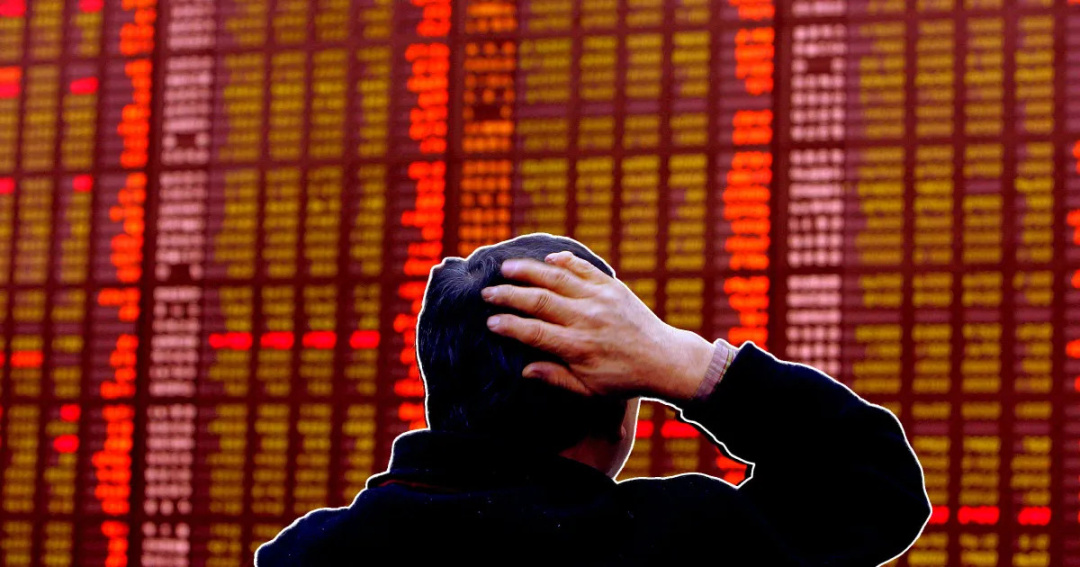
The South Korean stock market is currently grappling with a significant downturn as concerns over the AI bubble escalate. The Korea Composite Stock Price Index (Kopsi) has seen a dramatic decline of over 40 percent from its peak in June, primarily driven by disappointing earnings reports from SK Hynix, a major chipmaker. Despite reporting a sixfold increase in quarterly earnings, the company failed to meet investor expectations, triggering widespread panic among traders.
On July 28 and 29, the Korea Exchange experienced unprecedented turmoil, activating two circuit breakers in quick succession. These automated mechanisms halt trading for 30 minutes to allow traders to regroup, marking the first instance of consecutive circuit breakers for the Kopsi and only the 14th and 15th activations in the exchange's history. The tech-focused Korea Securities Dealers Automated Quotations (Kosdaq) also faced similar challenges, reaching circuit-breaker levels for the third time, with previous occurrences noted in 2008 and 2020.
For Your Trading Desk
Sponsor Spike Success.
In light of this financial upheaval, the South Korean government is taking swift action to mitigate the crisis. Measures already implemented include a ban on new listings of single-stock leveraged ETFs, which are considered high-risk financial products and have been implicated in the market's volatility. Despite these efforts, billions of dollars have exited the Korean stock market, prompting officials to convene emergency meetings to explore additional stabilization strategies.
Finance Minister Koo Yun Cheol addressed lawmakers, stating that while a package of measures is already in place, further steps will be introduced if necessary to restore market stability. The situation has also provided an opportunity for political discourse, with members of the conservative People Power Party criticizing the government's handling of the crisis. Lawmaker Lee Jongwook remarked that the current state of the market resembles a casino, reflecting the heightened anxiety among investors and the broader implications for the South Korean economy.