South Korea's Stock Market Faces Major Decline Amid AI Investment Retreat
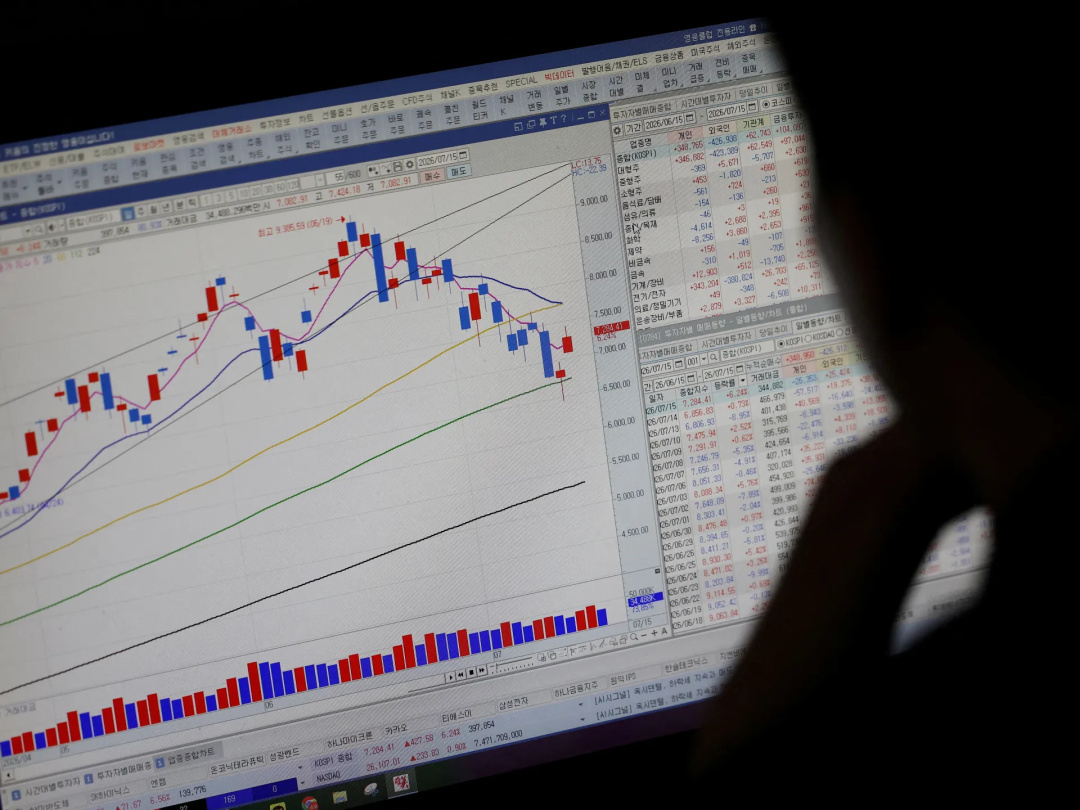
South Korea's stock market has plunged for a second consecutive session, with the KOSPI index experiencing a staggering drop of approximately 12.6 percent on Wednesday, following a near 11 percent decline the previous day. This downturn has resulted in a total loss of about $2.18 trillion in market value, marking a potential record monthly decline. Investors are facing significant losses as the market reacts to decreased interest in chipmakers, which had previously benefited from a surge in AI-related investments.
Frank Benzimra, head of Asia equity strategy at Societe Generale in Hong Kong, noted that the stocks most affected are those with high leverage. He expressed uncertainty about when the selloff might conclude, emphasizing that current market conditions are not favorable for investment. The KOSPI index has now lost nearly 40 percent of its value since reaching a peak just over a month ago.
For Your Trading Desk
Sponsor Spike Success.
In light of the crisis, South Korean Finance Minister Koo Yun-cheol addressed lawmakers during a parliamentary session, apologizing for the introduction of single-stock leveraged exchange-traded funds (ETFs). He acknowledged that these financial products had not been adequately considered and stated that the government is reviewing measures to stabilize the market, including potential regulations on leveraged trading.
Following a meeting with the governor of the Bank of Korea and heads of financial regulators, the Ministry of Finance announced plans to implement stricter controls on single-stock leveraged products. Proposed measures include setting individual investment limits—suggesting a cap of 20 percent of an investor's total investment—as well as increasing trading costs to discourage excessive trading activity. The ministry is also preparing a legal framework for emergency market-stabilization actions.
Jon Withaar, a senior portfolio manager at Pictet Asset Management in Singapore, observed signs of panic in the Asian technology sector, noting that not only long positions were affected but also short positions, with previously out-of-favor companies like Nintendo and Sony experiencing strong rallies. Despite the recent downturn, the KOSPI index remains up 41.5 percent year-to-date in U.S. dollar terms, making it the best-performing major market of the year.