Nasdaq 100 Approaches Correction Amid AI Investment Concerns
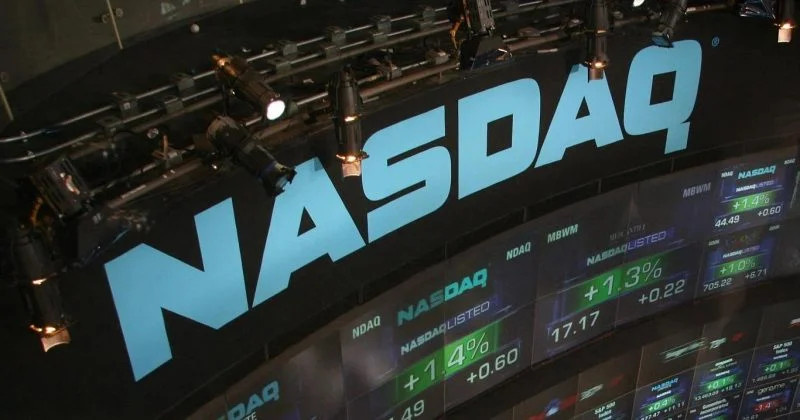
The Nasdaq 100 is signaling potential trouble as it approaches correction territory, driven by growing skepticism regarding the profitability of rising AI infrastructure investments. The semiconductor index has experienced a significant decline of over 20% from its peak in June, reflecting investor concerns about whether the anticipated returns from AI spending will materialize. On July 7, the Nasdaq fell by 1.16%, while the S&P 500 decreased by 0.45%. The PHLX semiconductor index also dropped sharply by 4.65%, despite positive earnings reported by Samsung.
A broader tech selloff on June 23 saw the Nasdaq decline by 2.2% and the S&P 500 by 1.43%. This downturn was attributed to escalating AI infrastructure costs and uncertainty about when these expenses would translate into tangible revenue. Currently, seven major tech companies account for about 30% of the S&P 500's total value. Companies such as Nvidia, AMD, Micron Technology, and Palantir are facing increasing scrutiny. Notably, Palantir's stock fell approximately 8% in November 2025, despite reporting strong earnings, highlighting the volatility in this sector. A 10% drop in stocks that comprise 30% of the index can lead to a 3% drag on the overall market.
For Your Trading Desk
Sponsor Spike Success.
The relationship between Bitcoin and the broader cryptocurrency market with tech stocks has intensified, particularly during market selloffs. Large investment funds that hold both tech equities and cryptocurrency positions are at risk of margin calls and risk limits when one side of their portfolio declines. Many cryptocurrency projects that focus on decentralized computing, AI tokens, and GPU marketplaces are influenced by the same narratives that are driving Nasdaq valuations. Should the market conclude that AI spending has outpaced reality, these crypto sub-sectors may also face significant reassessment.
The semiconductor index serves as a crucial leading indicator for market trends. The PHLX's underperformance, despite solid fundamentals from chipmakers, suggests that the issue lies more with investor expectations than with actual earnings. Currently, expectations for AI remain elevated compared to proven revenue streams, raising concerns about the sustainability of these investments in the future.