NASDAQ-100 Volatility Index Hits 23-Year High Against VIX

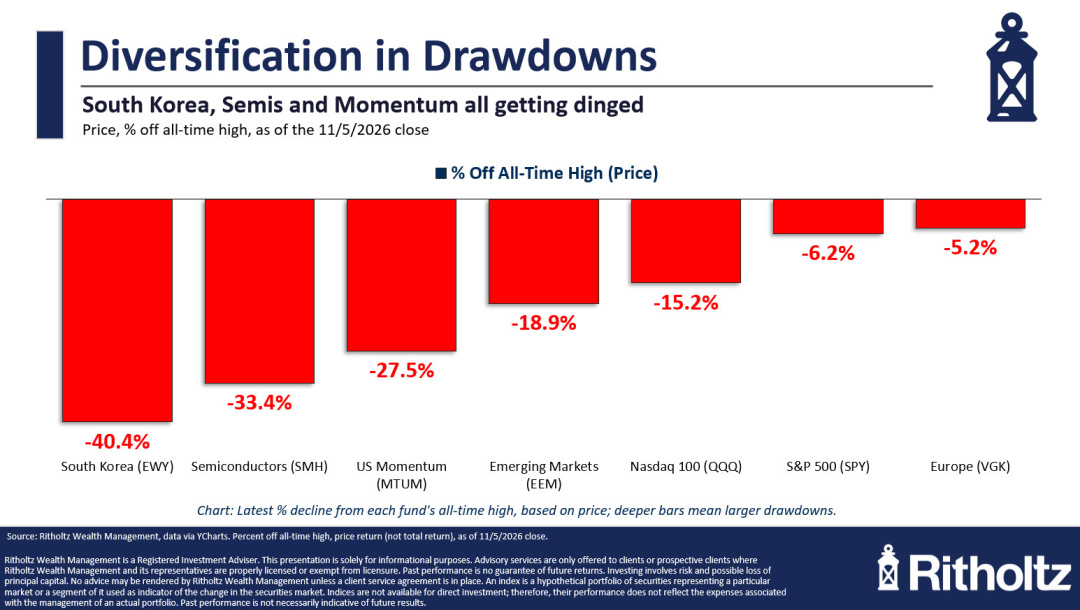
On June 16, 2026, the Cboe NASDAQ-100 Volatility Index (VXN) surged to a ratio of 1.64 against the VIX, marking the widest spread between tech-specific and broad-market implied volatility in nearly six years. This level of divergence signals that investors are bracing for significantly more turbulence in technology stocks than in the overall market. As of late June, the VXN closed at 30.91, while the VIX was at 18.41, indicating that options traders are pricing in approximately 68% more expected volatility for Nasdaq-100 stocks compared to the S&P 500 over the next 30 days.
Both indices measure 30-day implied volatility derived from options pricing, but they focus on different underlying assets. The VXN tracks the Nasdaq-100, which is heavily weighted towards major technology and growth companies, while the VIX encompasses a broader range of sectors, including financials and healthcare, which typically exhibit less volatility.
For Your Trading Desk
Sponsor Spike Success.
A VXN/VIX ratio above 1.0 indicates that the market expects greater volatility in tech stocks than in equities overall. However, a ratio of 1.64 is notable and suggests concentrated investor anxiety regarding technology valuations and growth prospects. Historically, similar premiums have emerged during periods of market stress, such as the post-dot-com bubble era in the early 2000s.
Despite the elevated VXN, the VIX at 18.41 suggests that the overall equity market remains relatively calm. The VXN's reading near 31 implies that the Nasdaq-100 could experience swings of about 2% per day over the coming month. It is important to note that heightened implied volatility does not predict market direction; rather, it indicates the potential for significant price movements in either direction.
As a result of the increased VXN, hedging costs for tech exposure are rising. Put options on tech-heavy indices and individual large-cap stocks are becoming more expensive, which may lead some investors to reduce their exposure. This reduction could create additional selling pressure in the market, further influencing the dynamics of tech stock valuations and investor sentiment.