U.S. Stock Futures Rise as Middle East Tensions Ease Ahead of Earnings

U.S. stock futures experienced an uptick on Monday as investors reacted positively to indications of a pause in hostilities between the United States and Iran. This development has helped to ease pressure on energy markets ahead of a pivotal week for corporate earnings and central bank decisions. By 05:49 GMT, Dow Jones futures had risen by 398 points, or 0.8%, while S&P 500 futures were up 66 points, or 0.9%. Nasdaq 100 futures led the charge, climbing 406 points, or 1.4%.
Last week, Wall Street closed on a mixed note, impacted by rising oil prices and geopolitical uncertainty. However, the White House's efforts to avoid a broader military escalation have improved market sentiment, contributing to a decline in oil prices and bolstering both equity and bond markets.
For Your Trading Desk
Sponsor Spike Success.
Attention is now shifting to one of the busiest weeks of the earnings season, with approximately one-third of S&P 500 companies set to release their quarterly results. Overall earnings are projected to increase by around 26.5% compared to the same period last year. Major technology firms, including Amazon, Meta Platforms, Microsoft, and Apple, are among those expected to report this week, providing insights into the sustainability of investments in artificial intelligence infrastructure.
Monetary policy remains a key focus as the Federal Reserve prepares for its interest rate announcement on Wednesday. While inflation risks tied to the Middle East conflict are under scrutiny, futures markets suggest that most investors anticipate policymakers will maintain current interest rates.
The temporary suspension of military action between the U.S. and Iran has extended into a second day, raising hopes that energy exports from the Gulf region can continue without significant disruption. Reports indicate that President Donald Trump opted to delay further military action due to concerns over available defense resources and a desire to prevent a broader regional conflict that could jeopardize global energy supplies.
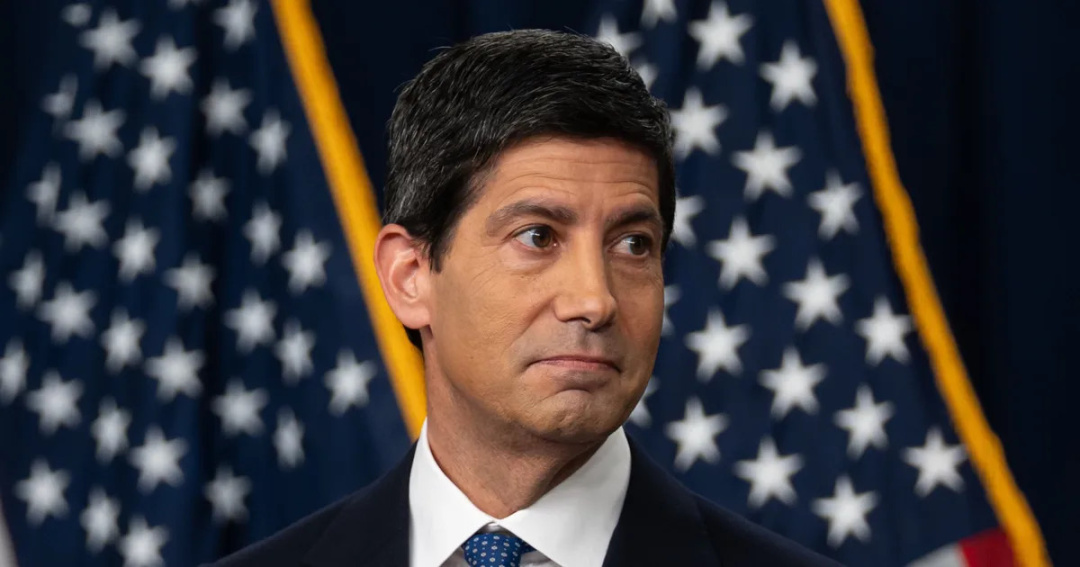
U.S. Ambassador to the United Nations Mike Waltz has downplayed claims of depleted military resources, emphasizing that the administration is allowing for diplomatic discussions to progress. He noted ongoing negotiations involving Oman, Iran, and other parties at various levels. Iran has also indicated a willingness to halt further attacks, contingent on the U.S. maintaining its pause in military operations.
As tensions eased, crude oil prices fell sharply, with Brent crude, the international benchmark, dropping 6.8% to around $90.25 per barrel after briefly exceeding $100 last week. Investors had been particularly concerned about potential disruptions to shipping routes through the Bab el-Mandeb Strait and the Strait of Hormuz, critical channels for global energy transport. The reduction in tensions has alleviated these concerns, although markets remain vigilant for further developments.
In a separate development, Nvidia is reportedly in talks to provide a financial guarantee of approximately $250 billion for OpenAI as part of a significant data center project in Ohio. This guarantee would support the leasing of a planned 10-gigawatt campus being developed by SoftBank’s energy subsidiary and could facilitate financing on more favorable terms. The overall project is expected to exceed $500 billion, excluding the cost of Nvidia’s semiconductor products.
This news comes as investors continue to observe the rapid increase in capital expenditure within the artificial intelligence sector. Despite concerns regarding the sustainability of AI-related spending, confidence was bolstered when Chinese memory chip manufacturer CXMT Corp surged around 500% during its Shanghai stock market debut following an $8.6 billion initial public offering, achieving a market valuation of over 3.6 trillion yuan, or approximately $530 billion.