Semiconductors Drive Nearly Half of S&P 500 Earnings Growth
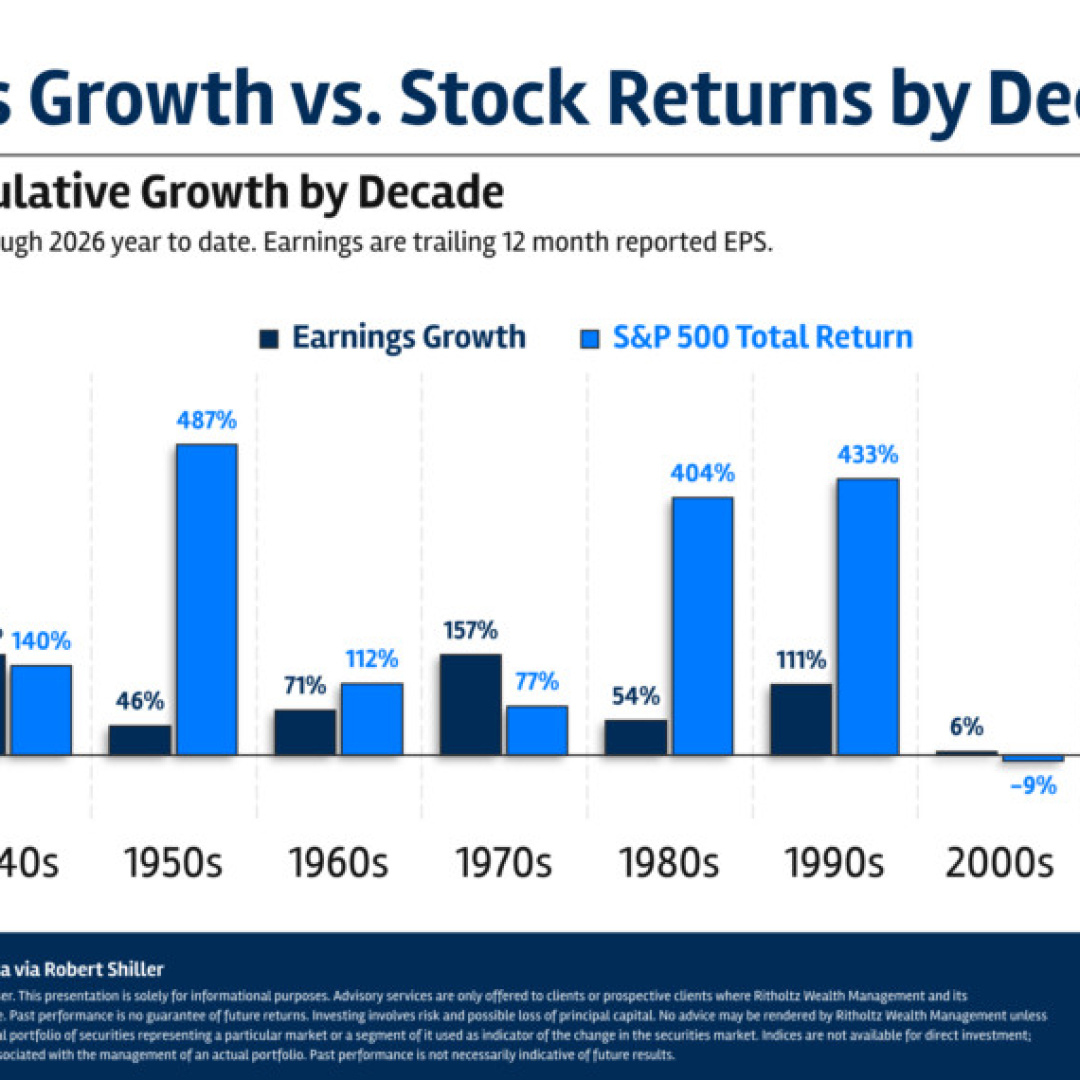
In the second quarter of 2026, semiconductors emerged as a dominant force in the S&P 500, contributing nearly half of the index's profit growth. This sector, comprising roughly a dozen companies, has become crucial for an index that is meant to reflect the performance of the 500 largest public companies in the United States. According to analysis from the venture capital firm a16z, semiconductor contributions to the S&P 500's earnings growth increased by 17% from the first quarter, with chip stocks now accounting for approximately 44-48% of overall earnings per share growth. Year-over-year, chip earnings surged by an impressive 133% in Q2, highlighting a stark contrast to the performance of the rest of the index.
As of June 30, 2026, semiconductor stocks represented 19.7% of the S&P 500 by index weight, a significant increase from around 5% in mid-2020. This rapid growth underscores the chip sector's expanding influence within the most closely watched equity index globally. The Philadelphia Semiconductor Index, known as the SOX, has been trading 65% above its 200-day moving average, a trend reminiscent of the dot-com bubble prior to the crash in 2000.
For Your Trading Desk
Sponsor Spike Success.
The investor enthusiasm driving record valuations for companies like Nvidia is also fueling a rise in AI-focused crypto tokens and decentralized compute networks. The correlation is evident; when semiconductor stocks experience fluctuations, AI tokens often follow suit. Institutional investors reallocating capital into semiconductor equities are effectively endorsing the notion that AI infrastructure represents a key investment opportunity for this decade. This endorsement extends to crypto projects that aim to provide decentralized versions of similar infrastructure, with tokens from platforms like Render and Akash increasingly mirroring semiconductor market sentiment.
However, the comparison to the dot-com bubble warrants careful consideration. In 2000, the market was characterized by companies with limited revenue and speculative business models. In contrast, today's semiconductor leaders are generating substantial profits, with the 133% year-over-year earnings growth driven by genuine demand from hyperscalers investing heavily in AI training clusters.
The heavy reliance on the semiconductor sector for nearly half of the S&P 500's growth raises concerns about systemic risks. Any disruptions in this sector, whether due to supply chain challenges, geopolitical tensions, particularly concerning Taiwan, or a slowdown in AI spending, could have far-reaching implications for the broader market.