Global Stock Market Reaches $166 Trillion, 137% of Global GDP
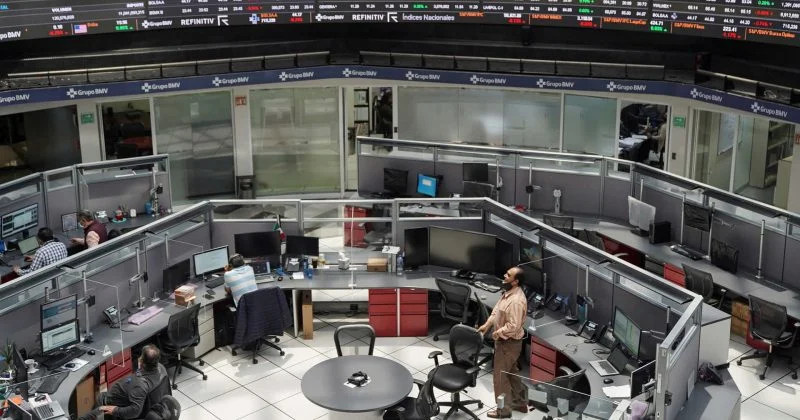
The global stock market has reached a staggering valuation of $166 trillion, which equates to approximately 137% of the world's economic output. This ratio, known as the Buffett Indicator, is nearing historical highs and signals potential overvaluation in the equity markets. The increase of $32 trillion over the past year, a 23.6% rise, has been predominantly driven by advancements in artificial intelligence.
The Buffett Indicator, named after Warren Buffett, is often regarded as a reliable measure of market valuations. When the ratio exceeds 100%, it typically indicates that equities may be overvalued compared to economic fundamentals. Currently, the global ratio is pushing past levels that have historically preceded market corrections. In 2024, this ratio was around 130%, indicating a significant acceleration in valuations heading into 2025 and 2026.
For Your Trading Desk
Sponsor Spike Success.
U.S. equities represent a substantial portion of this total, accounting for between $75 trillion and $81 trillion of the global market cap, meaning that nearly half of the world's stock market value is concentrated in the United States. A notable contributor to this growth is the so-called "Magnificent 7," a group of major tech companies that have collectively added an estimated $27 trillion in market value since late 2022. This figure is remarkable, as it surpasses the GDP of all countries except the U.S. and China.
The $27 trillion in gains attributed to AI-driven stocks highlights a potential fragility in the market. The reliance on a narrow set of companies to sustain record valuations raises concerns that any negative developments—be it disappointing earnings, regulatory challenges, or slower adoption rates—could lead to significant market declines. Historical patterns suggest that similar dynamics were observed during the dot-com bubble, where a small group of tech stocks reached unsustainable valuations, ultimately resulting in a nearly 80% drop in the Nasdaq from its peak in 2000.
Furthermore, the correlation between cryptocurrencies and stocks has intensified since 2020, particularly between Bitcoin and the Nasdaq. Should the Buffett Indicator's warning prove accurate and the stock market experiences a downturn, it is likely that cryptocurrencies will not remain insulated from the fallout. Despite the stock market's current trajectory, crypto-focused media outlets have been relatively quiet, indicating that investors in digital assets may be more focused on their own market drivers, such as ETF flows and regulatory news.
Historically, a global stock market valuation at 137% of GDP has not been an ideal entry point for long-term equity investments. The recent $32 trillion increase in market value may not be as sustainable as current prices suggest, raising the risk of contagion for correlated assets like Bitcoin.