Chamath Palihapitiya warns open-source AI ban could hurt US stock market
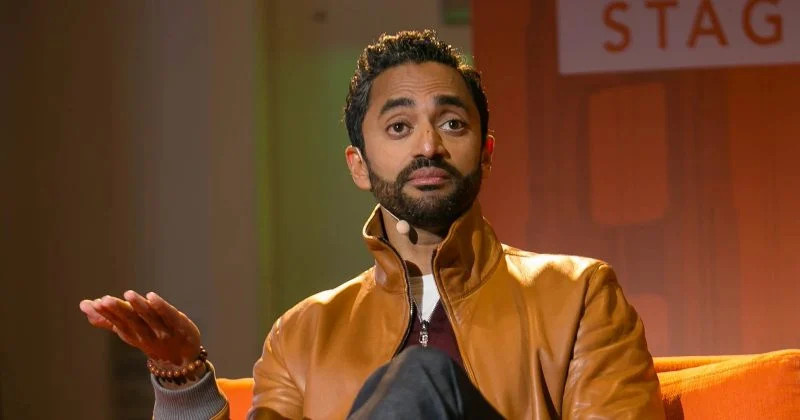
Chamath Palihapitiya, a prominent venture capitalist and co-host of the All-In podcast, has issued a stark warning regarding the potential consequences of a US ban on open-source AI. He argues that such a restriction would place American companies at a severe competitive disadvantage, potentially increasing their costs by up to 50 times compared to foreign rivals. In a post on X dated July 18, Palihapitiya highlighted that US firms could face charges between $26 and $56 per million tokens for proprietary AI access, while their international counterparts utilizing open-source models would pay only about $0.50 to $1 for similar capabilities. This significant cost gap could have ripple effects across tech valuations and the stock market.
Palihapitiya emphasized the importance of embracing open-source AI, stating, "The future is open source. We need to embrace it and get on with it." He noted that the costs of AI tokens at his own company are doubling approximately every 45 days, underscoring the urgency of the situation. If the US government enacts export controls or outright bans on open-source AI models, it would not eliminate these technologies globally; rather, it would restrict American companies from utilizing them while competitors in regions like China and Europe continue to innovate at a fraction of the cost.
For Your Trading Desk
Sponsor Spike Success.
Jack Dorsey, the former CEO of Twitter, expressed his agreement with Palihapitiya's perspective by simply replying with "yes" to the post. The implications of higher operational costs for AI integration could lead to downward revisions in earnings estimates for US companies, resulting in compressed profit margins and declining valuations. Investors are advised to monitor which companies have diversified their AI supply chains versus those reliant on a single proprietary provider. The stark cost disparity Palihapitiya outlined is one that markets cannot overlook for long, suggesting that either policy must adapt or valuations will inevitably adjust.