U.S. Strikes Intensify Tensions in Strait of Hormuz Amid Market Volatility
The Pentagon and CENTCOM have confirmed a new round of U.S. strikes in the Strait of Hormuz, following an attack on a commercial tanker that has heightened tensions in the region. Iran has responded with warnings of potential escalation, raising fears of a breakdown in the ceasefire. This situation has significant implications for global shipping and trade routes, as the violence in the Strait of Hormuz could disrupt maritime traffic and increase market risk.
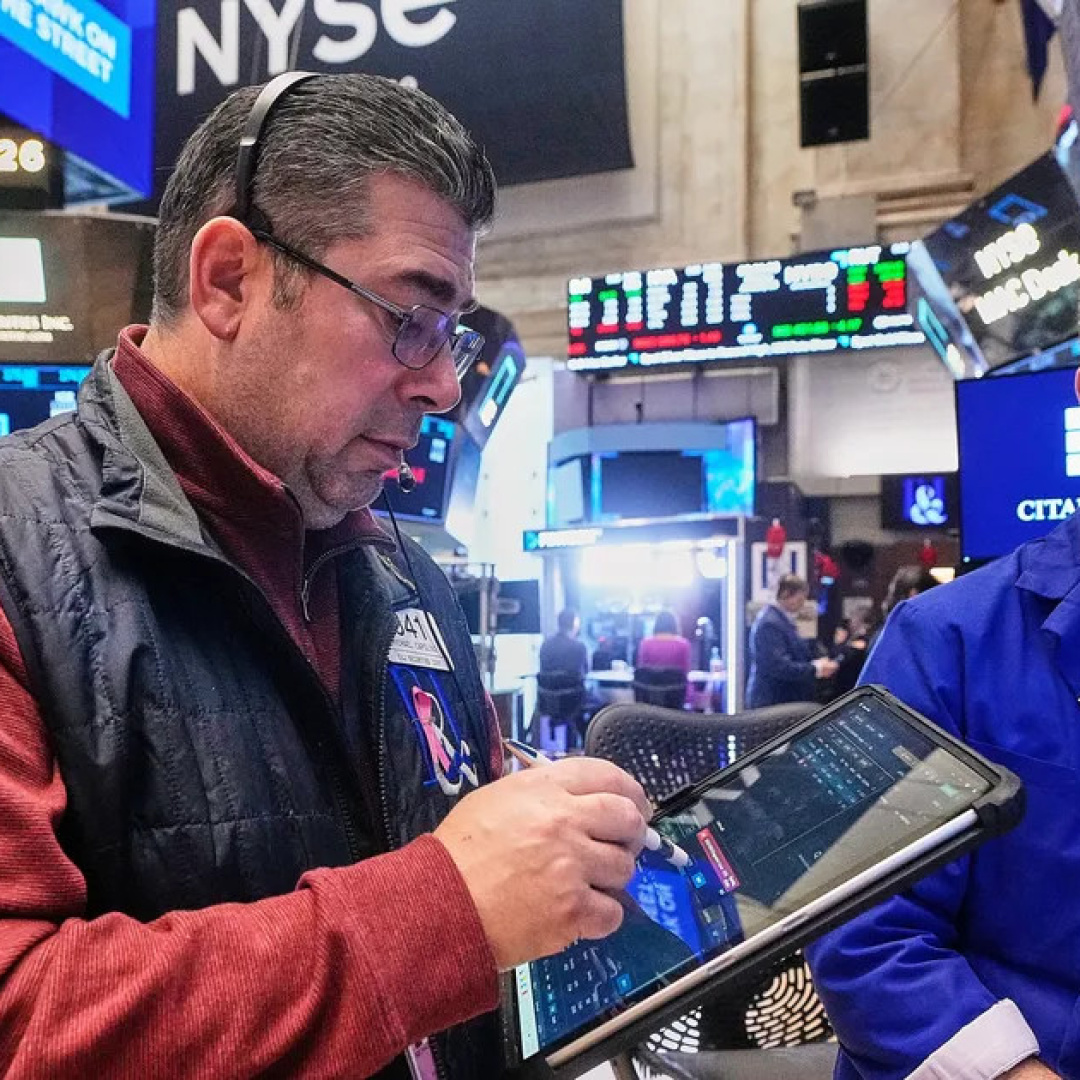
In the financial markets, U.S. stocks are experiencing volatility as investors reassess their positions in technology and AI sectors. The S&P 500 and Nasdaq have shown fluctuations amid changing expectations regarding AI capital expenditures and Federal Reserve policies, while the Dow Jones Industrial Average has maintained a steadier performance. Traders are closely monitoring macroeconomic indicators that could influence the next phase of market volatility.
For Your Trading Desk
Sponsor Spike Success.
The ongoing conflict in Ukraine continues to impact global business and security dynamics, with Ukraine targeting Russian military production facilities. This escalation highlights the broader implications of military actions on economic stability.
In Venezuela, the aftermath of a devastating earthquake has led to a rising death toll, with urgent search-and-rescue operations ongoing. The humanitarian crisis underscores the need for international assistance as the situation deteriorates.
Extreme weather events are also causing significant disruptions in the U.S. and Europe. In Utah, worsening fire conditions have prompted evacuations, while flooding and wildfires across the country have led to disaster declarations. These climate-related emergencies are affecting infrastructure and public safety.
As the U.S. government eases restrictions on advanced AI models, including Anthropic’s Mythos 5, there is a shift in federal oversight that may reshape the landscape of AI accessibility. This change reflects broader trends in technology regulation and market dynamics.
Overall, the interplay between geopolitical tensions, market volatility, and climate emergencies is shaping the current economic landscape, prompting investors and policymakers to navigate a complex array of risks and opportunities.