Apple Increases Prices on Select Devices Amid Rising AI Chip Costs

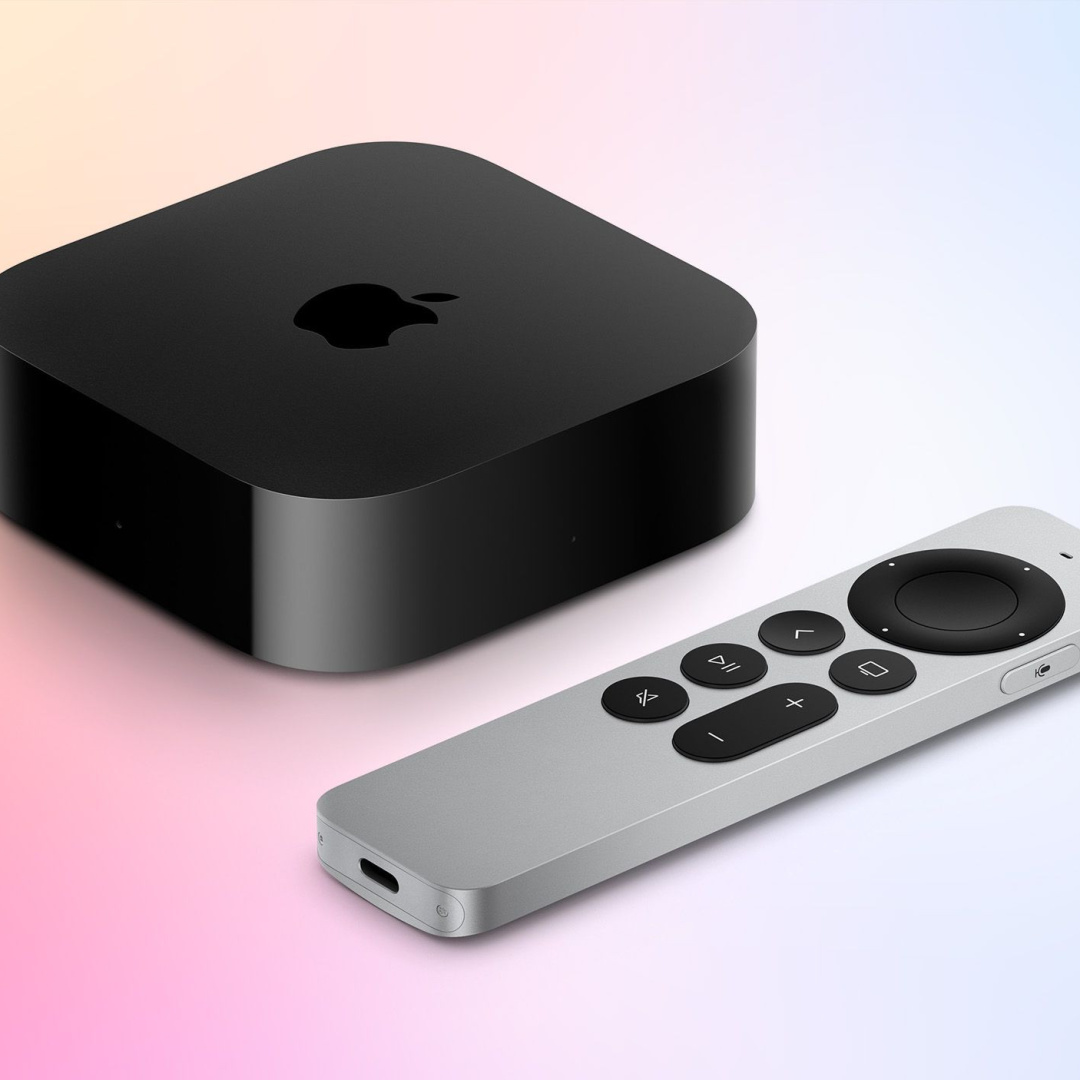
Apple has announced price increases on select products, including iPads, MacBooks, HomePod speakers, and Apple TV devices, citing rising costs of memory and storage chips linked to the growing demand for AI technology. The company’s online store now reflects these higher prices, which have surged due to what some industry experts are calling 'RAMageddon.' This term refers to the intense demand for DRAM and high-bandwidth memory required to support advanced AI models in data centers, which in turn affects the supply chain for consumer electronics.
While the iPhone has not seen a price increase in this round, analysts caution that this could change in the near future. Apple has indicated that it can no longer fully shield customers from the escalating costs associated with memory chips, which are essential for a wide range of devices, from smartphones to laptops and tablets. Tim Cook, Apple’s outgoing CEO, had previously warned that memory costs would increasingly impact the company’s pricing strategy.
For Your Trading Desk
Sponsor Spike Success.
The price adjustments include significant increases: for instance, the starting price of the MacBook Neo has risen from $599 to $699, while the MacBook Air with 512GB of storage now costs $1,299, up from $1,099. The 14-inch MacBook Pro with 1TB of storage has increased from $1,699 to $1,999. Similarly, the iPad Air with 128GB of storage has jumped from $599 to $749. HomePod mini prices have also increased from $99 to $129, and Apple TV prices have risen from $129 to $199.
This price surge comes at a critical time for Apple, as the company faces pressure to demonstrate its AI capabilities in a competitive market. Earlier this year, Apple settled a $250 million lawsuit related to claims of overstating AI features associated with Siri and Apple Intelligence, although the company denied any wrongdoing. At the recent WWDC 2026, Apple showcased a significant overhaul of Siri and advancements in Apple Intelligence, which could enhance device functionality but may also lead to increased hardware demands.
As Apple navigates these challenges, the potential for future price hikes on the iPhone looms large, particularly for the Pro models that typically feature more advanced chips and higher storage options. Consumers are advised to evaluate their current devices and consider options such as battery replacements or trade-ins before making new purchases, especially as AI-driven chip costs continue to influence the market.