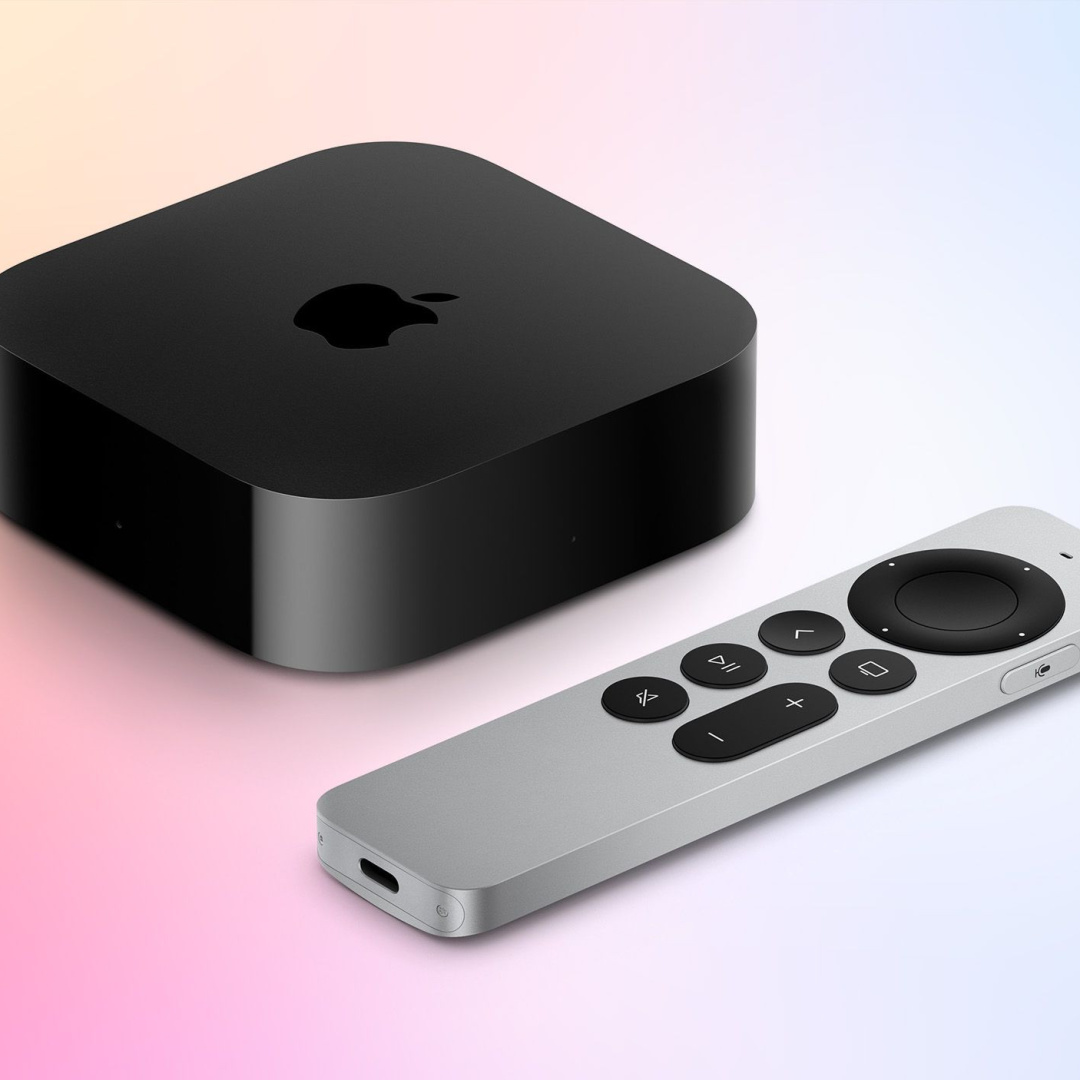
Rethinking Smart Homes: The Future of Apple TV and Home Automation
In a recent inquiry, a question posed by Lalit on June 9, 2026, explored the future of Apple TV as a potential data center for smart homes, alongside discussions about Home and AI. The need for a significant upgrade in home intelligence has been anticipated for years, as current smart home setups often require users to act like programmers, configuring events and triggers that frequently fail to work as intended. Users desire a system that understands their needs intuitively, rather than one that demands constant input.
The conversation turned to the possibility of a new device type, envisioning a HomePod with a screen that could follow users and create eye contact, resembling the Pixar lamp. Currently, Apple TV serves as a convenient hub due to its display, processing power, and security features. However, questions remain about whether it will continue in this role or if a new home hub will emerge, potentially dividing responsibilities.
For Your Trading Desk
Sponsor Spike Success.
Concerns were raised about the rapid obsolescence of hardware driven by AI advancements, suggesting that users might need to upgrade more frequently. In contrast, Apple TV's longevity is hindered by its association with televisions, which are typically replaced only when they fail. The challenge lies in developing a software-centric object that can evolve, rather than a static device.
The broader issue highlighted is that the most expensive asset many own, their home, often lacks intelligence compared to cheaper devices like a $300 smartwatch. Cars also rank poorly in terms of smart technology, resisting software integration partly due to consumer preferences for simplicity. Home and health sectors have remained largely untouched by software for decades, presenting an opportunity for AI to make significant inroads.
The notion of humanoid robots in homes was met with skepticism, as many prefer approachable, single-purpose appliances over complex robots that may not perform tasks effectively. A simple speaker with a screen that engages users is often more appealing than a faceless robot.
Reflecting on personal experiences with home automation, the author noted challenges with reliability and ease of configuration, indicating that much work remains to be done in the current generation of smart home technology.