ASX Expected to Decline as Oil Prices Exceed $100
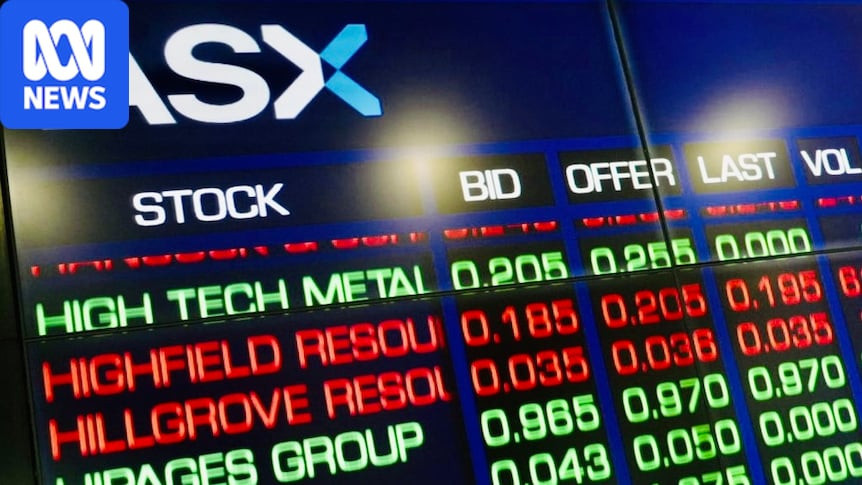
The Australian Securities Exchange (ASX) is projected to decline as Brent crude oil prices have surged past $100 a barrel, intensifying inflation worries. This spike in oil prices has contributed to a downturn on Wall Street, where the S&P 500 fell by 1.2% and the Nasdaq dropped 2.15%. The increase in oil prices is attributed to escalating tensions in the Middle East, particularly following attacks by Yemen's Houthi rebels on oil tankers in the Red Sea, which have raised concerns about global oil supply disruptions.
In Australia, small businesses are facing mounting pressures from rising fuel costs, interest rates, and inflation, compounded by increasing wages and new regulatory expenses. Recent data indicates a 13% rise in small business insolvencies in the first half of 2026 compared to the same period last year. Credit agency Equifax reports that higher-risk businesses are increasingly seeking alternative financing options, suggesting difficulties in securing loans. Many businesses are also scaling back expansion plans as they navigate these challenges.
For Your Trading Desk
Sponsor Spike Success.
The surge in Brent crude futures, which rose by $6.62 or 7% to settle at $100.69 a barrel, marks the highest close since May 22. This increase has been significant, with prices nearly 40% higher since the onset of the Iran conflict in February. U.S. West Texas Intermediate crude also saw a rise, climbing $5.36 or 6.2% to $92.19 a barrel, its highest since early June.
The rise in oil prices is likely to have a cascading effect on inflation, as sustained increases can lead to higher costs for petrol, diesel, and other essential goods. In response, the Australian government has extended the reduced fuel excise for another month, albeit at a lower rate, set to expire on August 2. As of this morning, the average price of unleaded petrol in Australia is 185.2 cents per litre, while diesel stands at 226.1 cents.
In a related development, the U.S. has confirmed a new 12.5% tariff on Australian exports, effective from today, following a trade investigation into forced labor practices. This tariff is part of a broader set of tariffs affecting 59 other economies, reflecting ongoing trade tensions. The Australian Government and the Business Council of Australia had previously submitted objections to this tariff during a consultation period.
As the financial landscape continues to evolve, the implications of rising oil prices and new tariffs will be closely monitored by businesses and investors alike. The market remains on edge as it prepares for the next U.S. Federal Reserve meeting, where further economic policies will be discussed.