Tesla Stock Plummets 12% Following Disappointing Q2 Earnings Report
Tesla's stock experienced a dramatic decline of over 12% today, resulting in a loss of more than $140 billion in market value. This downturn followed the release of the company's Q2 2026 earnings report, which indicated a miss on profit expectations and a negative free cash flow for the first time in years. Tesla reported record revenue of $28.24 billion, a 26% increase year-over-year, alongside a record 480,126 vehicle deliveries. However, the positive figures were overshadowed by a 57% drop in operating income to $398 million and a significant decline in operating margin, which fell to 1.4% from 4.1% a year prior. Adjusted earnings per share were reported at $0.33, falling short of Wall Street's expectations of approximately $0.53.
The company's free cash flow turned negative, registering at minus $1.09 billion, as capital expenditures surged by 142% to $5.79 billion. A notable factor in the profit decline was the 67% drop in revenue from regulatory credits, which had previously provided a substantial profit cushion for Tesla. Additionally, margins in the energy sector decreased, despite a 41% increase in storage deployments to 13.5 GWh. The record deliveries were achieved through incentives, particularly low financing options, which negatively impacted automotive margins.
For Your Trading Desk
Sponsor Spike Success.
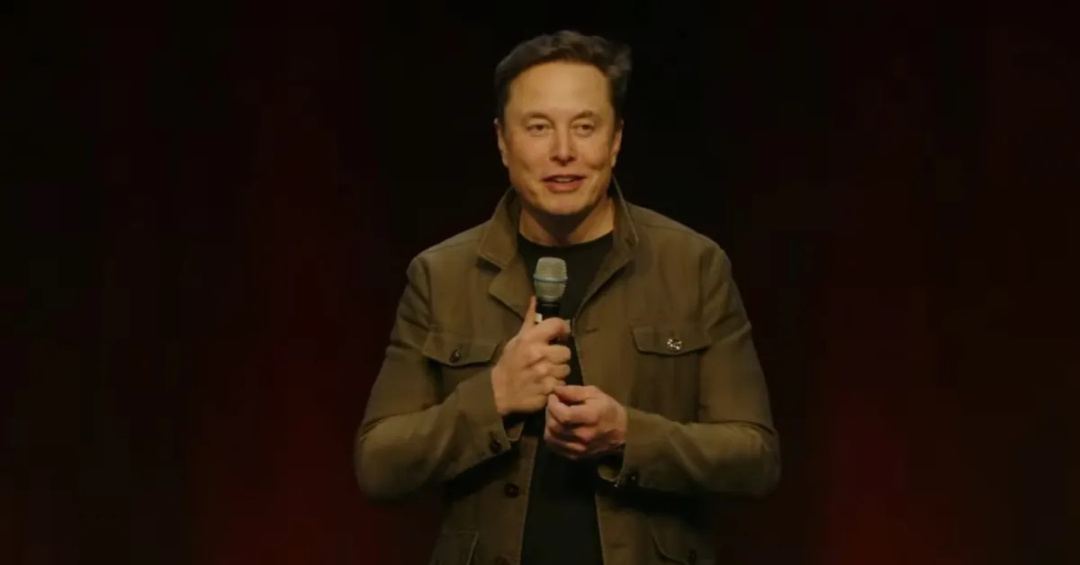
During the earnings call, Elon Musk reiterated his long-standing promises regarding the robotaxi and Optimus projects, but investors appeared unconvinced. Musk claimed that Optimus would be the first humanoid robot capable of performing generalized tasks without programming, a claim that many in the industry are also pursuing. However, there were no new developments presented that indicated Tesla was ahead of its competitors in this area, and mass production timelines remain uncertain.
On the topic of autonomy, Tesla reported over 380,000 unsupervised miles driven across six cities without notable incidents, but the definition of 'notable' incidents is subjective. In contrast, Waymo achieves similar mileage in a single day. Furthermore, Tesla's growth appears to be stagnating, with paid robotaxi miles remaining flat at approximately 900,000 quarter-over-quarter, and the active unsupervised fleet has shrunk to around 21 vehicles.
Despite launching new service areas in Orlando and Tampa, the expansion does not necessarily correlate with an increase in active vehicles, as spreading a limited fleet across more locations does not enhance ride availability. Musk acknowledged that safety concerns are a significant barrier to progress, referring to the challenges of achieving a high level of reliability in diverse driving scenarios.
The current situation reflects a growing skepticism among investors regarding Musk's assurances. His overlapping plans for Tesla and SpaceX may not align with shareholder interests, as the perceived value of Tesla could be diluted by its connection to SpaceX. Musk's repeated missed deadlines for self-driving technology have eroded investor confidence, and the recent performance of the Full Self-Driving (FSD) system, which remains a Level 2 supervised system, does not meet the expectations set for unsupervised driving capabilities.
Interestingly, the timing of this decline coincides with a rise in crude oil prices, which typically boosts demand for electric vehicles. However, Tesla's recent pivot towards positioning itself as an AI company rather than solely a car manufacturer has tied its valuation to the success of its robotaxi and AI initiatives. As confidence in these areas falters, the company's stock has suffered significantly. Today, over $140 billion in investor faith has diminished, raising questions about how many more missed targets it will take before the market reassesses its valuation of Tesla.