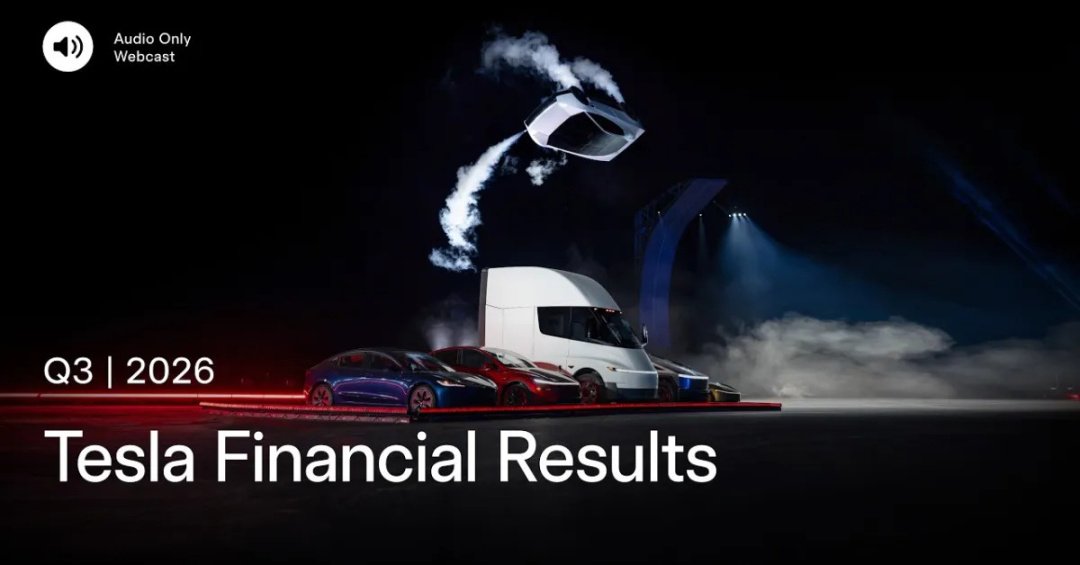
Tesla Expects 406,000 Vehicle Deliveries in Q2 2026

Tesla has released its delivery consensus for Q2 2026, with Wall Street analysts estimating the automaker will deliver 406,024 vehicles. This figure represents a modest 5.7% growth compared to the 384,122 vehicles delivered in Q2 2025, marking a slight recovery for the company after two consecutive years of declining sales. The estimates were compiled from 22 analysts, including firms like Morgan Stanley and Goldman Sachs, and are published on Tesla's investor relations page.
While the headline number is 406,024, the median estimate stands at 408,609. Analysts expect the bulk of deliveries to come from the Model 3 and Model Y, with projections of 392,625 units, while the combined total for all other models, including the Model S, Model X, and Cybertruck, is expected to be just 12,978. This estimate indicates a decline in deliveries of higher-margin vehicles, down from 16,130 in Q1 2026.
For Your Trading Desk
Sponsor Spike Success.
For the full year, analysts project total deliveries of 1,654,808 vehicles, with a median estimate of 1,667,842. This represents barely 1% growth compared to the 1.64 million vehicles delivered in 2025, which itself was a decline from previous years. Notably, this is a downgrade from earlier expectations of 1,689,691 deliveries for 2026, reflecting a reduction of about 35,000 vehicles in just three months.
Looking ahead, analysts anticipate a rebound in deliveries, projecting 1,824,568 vehicles in 2027 and 2,649,054 by 2030. However, the uncertainty surrounding these estimates is significant, with a standard deviation of 760,060 vehicles for the 2030 projection, indicating a lack of consensus on Tesla's future performance.
On a positive note, Tesla's energy business is showing robust growth, with expectations of 13.8 GWh of energy storage deployments in Q2 2026, up from 8.8 GWh in Q1. The full-year consensus for energy storage stands at 57.9 GWh, with projections climbing to 150.1 GWh by 2030, making it Tesla's fastest-growing segment despite stagnation in vehicle deliveries.
Tesla recently regained its position as the global leader in electric vehicle sales from BYD in Q1 2026, primarily due to a decline in BYD's domestic sales rather than a surge in Tesla's sales. The company remains heavily reliant on its Shanghai plant, which accounted for approximately 60% of global volume in Q1, and on the aging Model 3 and Model Y, which constitute about 95% of total deliveries.
Tesla's practice of publishing its own delivery consensus allows it to set expectations for performance, although it missed the Q1 2026 consensus by delivering 358,023 vehicles against an expectation of 365,645. The upcoming Q2 delivery target of 406,024 is achievable but underscores a company that peaked at 1.81 million deliveries in 2023 and is now projected for minimal growth in 2026. The future estimates, while optimistic, carry significant uncertainty, highlighting the challenges Tesla faces in maintaining its growth narrative.