Tesla Reports Lower Quarterly Profits, Shares Fall
Tesla announced weaker-than-expected quarterly profits on Wednesday, reporting $1.1 billion for the second quarter, which is a 5% decline from the same period last year. This translates to earnings of 33 cents per share, falling short of analyst expectations of 53 cents per share. The company did see a 26% increase in revenues, reaching $28.2 billion, driven by higher auto sales, particularly in recovering European markets. However, Tesla's earnings report indicated that profitability was impacted by lower vehicle prices, reduced revenue from regulatory credits, and an unspecified issue with vendor cells that led to increased energy warranty-related charges.
Tesla emphasized that its expansion initiatives are proceeding as planned, with production of the "Cybercab" vehicle now underway in Texas and the Tesla Semi production on track for this year. Musk is anticipated to face inquiries during the upcoming conference call regarding Tesla's ambitious capital spending plans, which are projected to exceed $25 billion. The company is focusing on investments in autonomous transport, humanoid robotics, and artificial intelligence, stating that it is in a significant period of investment aimed at revolutionizing transportation and energy.
For Your Trading Desk
Sponsor Spike Success.
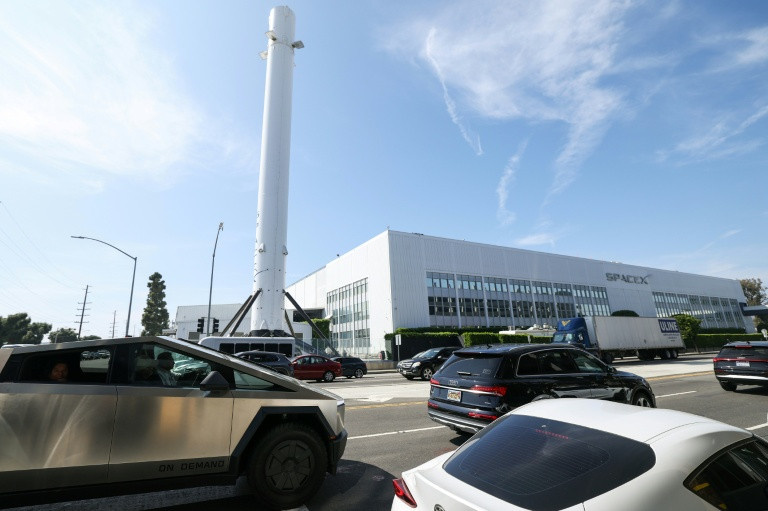
This earnings report marks Tesla's first since Musk's successful launch of SpaceX as a publicly traded company in June, which briefly boosted his net worth to over $1 trillion. Although SpaceX shares have since cooled, the company's valuation remains around $1.5 trillion, leading to speculation about a potential merger between Tesla and SpaceX. SpaceX President Gwynne Shotwell noted that such a combination could ease Musk's workload, highlighting the synergies between the two companies.
CFRA analyst Garrett Nelson indicated that investors are likely to question when Tesla's substantial capital expenditures will yield returns. He expressed concerns that the current spending spree could extend over several years without clear communication from the company regarding the expected outcomes.
In recent weeks, Tesla's technology has faced scrutiny following a fatal crash involving a Model 3 in Katy, Texas, which has raised questions about the safety and timing of the rollout of Tesla's autonomous driving systems. Musk has a history of making optimistic predictions about the widespread adoption of these technologies, which have often not materialized as expected. A recent Deutsche Bank note highlighted that the rollout of Tesla's robotaxi service in Austin has been slower than anticipated, primarily due to vehicle availability issues.
Following the earnings announcement, Tesla shares fell 2.4% in after-hours trading, reflecting broader concerns in the tech sector regarding the sustainability of the AI boom and the potential for overvaluation. This comes in the wake of IBM's 24% drop in shares after disappointing preliminary results, indicating a turbulent period for tech stocks as investors reassess their positions amid fluctuating market conditions.