House Democrats Split Over Stock Trading Ban and Voter ID Bill
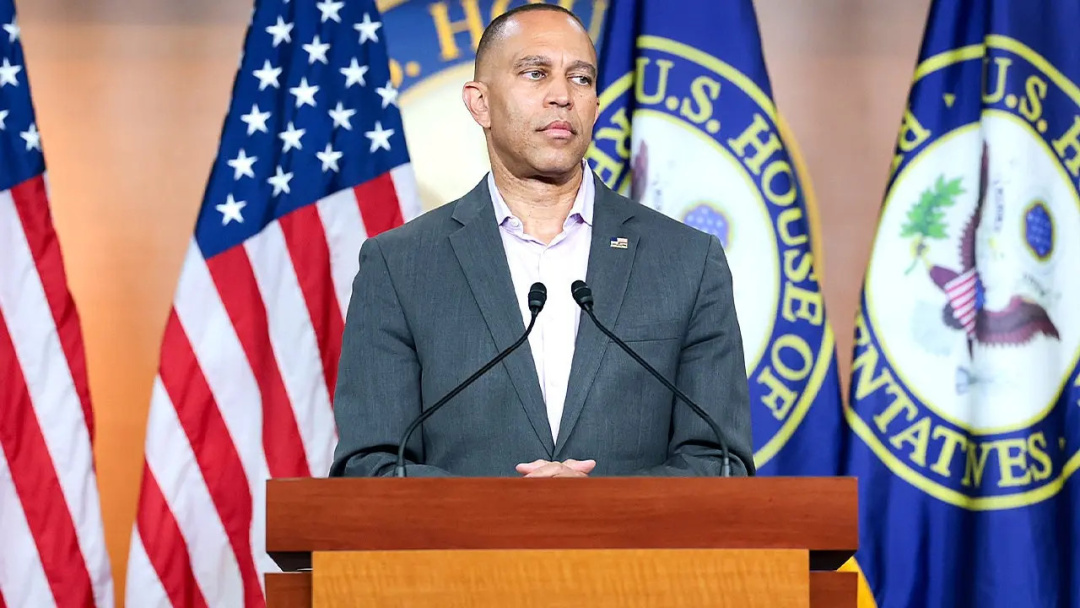
In a recent vote, House Democrats faced a significant split over a legislative package that sought to ban congressional stock trading while also implementing federal voter ID measures. Despite both issues receiving substantial public support, 198 House Democrats, including key leaders, voted against the combined bill, which passed with a total of 231 votes. Only 13 Democrats sided with Republicans in favor of the measure.
Rep. Zach Nunn, a Republican from Iowa and a key supporter of the stock trading ban, emphasized that the two issues are interconnected, stating that they reflect the overwhelming desires of the American public. He criticized the Democrats for opposing what he termed two wins for the majority of Americans. Meanwhile, Rep. Stephanie Bice, also a Republican, highlighted the need for transparency among elected officials, arguing that the legislation is a crucial step toward restoring public trust in Congress.
For Your Trading Desk
Sponsor Spike Success.
However, not all Republicans supported the approach. Rep. Thomas Massie from Kentucky expressed concerns that the inclusion of the voter ID requirement was a strategic move to dissuade Democratic support for the stock trading ban. He suggested that if the goal was genuinely to ban stock trading among lawmakers, the legislation should have been presented as a standalone bill to garner broader bipartisan support.
Democrats have voiced strong support for a stock trading ban but criticized the current bill for its combination of unrelated measures. Rep. Joe Morelle, a leading Democrat on the elections oversight committee, argued that the bill represents a crude amalgamation of two distinct issues, with the voter ID component potentially suppressing voter turnout. He pointed out that the stock trading ban does not require lawmakers to divest from existing stocks, allowing them to retain blind trusts while prohibiting future stock purchases.
The debate continues as lawmakers grapple with the implications of this legislation, which reflects broader tensions within Congress regarding transparency, accountability, and voter access. As the political landscape evolves, the outcomes of such legislative efforts will likely have lasting impacts on public trust and electoral integrity.