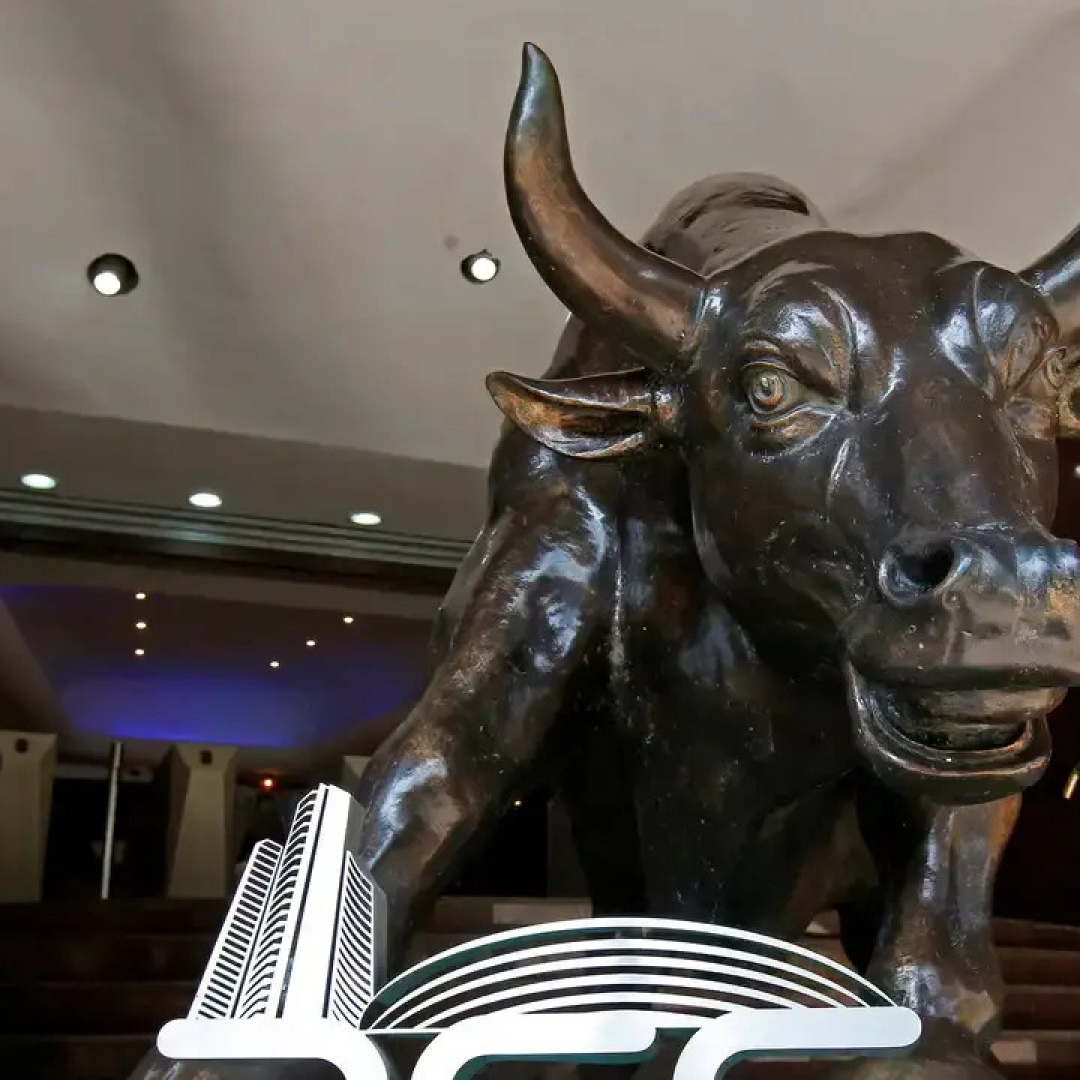
Dow Jones Gains Ground Amid US-Iran Tensions
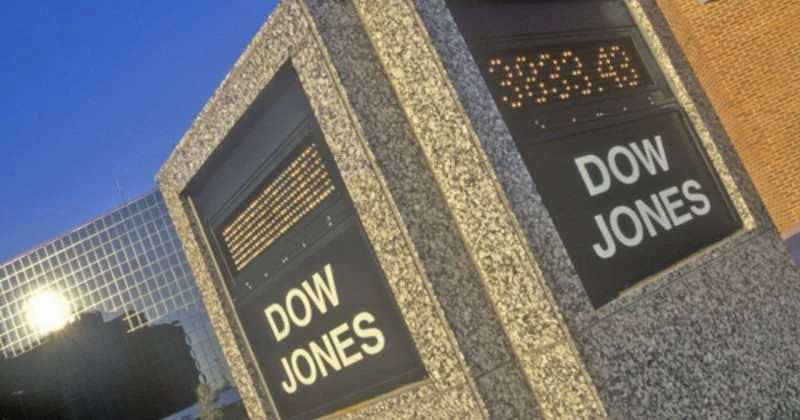
The Dow Jones Industrial Average showed unexpected resilience on July 13, 2026, turning positive despite President Donald Trump's warnings about escalating tensions with Iran. Initially, the Dow dropped by 138 points to 52,498.64, while the S&P 500 and Nasdaq faced sharper declines of 0.79% and 1.55%, respectively. This market behavior underscores a shift in investor focus from geopolitical tensions to corporate earnings. Amid heightened risks, including a renewed blockade on Iranian shipping in the Strait of Hormuz, Wall Street's ability to recover became a notable headline.
The geopolitical situation had tangible effects, notably a significant surge in oil prices, which increased by 9.4% in a single session. This spike raised inflationary concerns and highlighted potential supply disruptions, affecting markets beyond just commodities. The interplay of politics and economics was evident, influencing investor psychology.
For Your Trading Desk
Sponsor Spike Success.
As earnings season commenced, major financial institutions like JPMorgan Chase and Goldman Sachs took center stage, revealing their quarterly results. These reports helped alleviate market anxiety, demonstrating that strong corporate performance can provide stability during times of geopolitical uncertainty. Historically, similar patterns have emerged in 2026, where political or economic tensions often led to recoveries driven by positive earnings reports or cease-fires.
For investors, especially those in the energy sector, the ongoing geopolitical risks emphasize the need for vigilance. Fluctuating oil prices not only impact energy stocks but also inflation expectations, which could prompt tighter monetary policies from the Federal Reserve. This situation serves as a reminder that market dynamics are influenced by a multitude of factors, including global events.
In contrast, crypto traders observed a different trend. While the stock market demonstrated resilience, interest in digital assets waned during these geopolitical escalations. This highlights a critical lesson for those in the cryptocurrency space: macroeconomic indicators can significantly influence investor sentiment, sometimes overshadowing developments in blockchain technology.
Navigating the complexities of the market requires a strategic approach and an awareness of broader economic signals. Whether investing in traditional equities or cryptocurrencies, understanding these dynamics is essential for making informed decisions in a landscape filled with both opportunities and risks.