Impact of Intel's Stock Pullback on Semiconductor ETFs
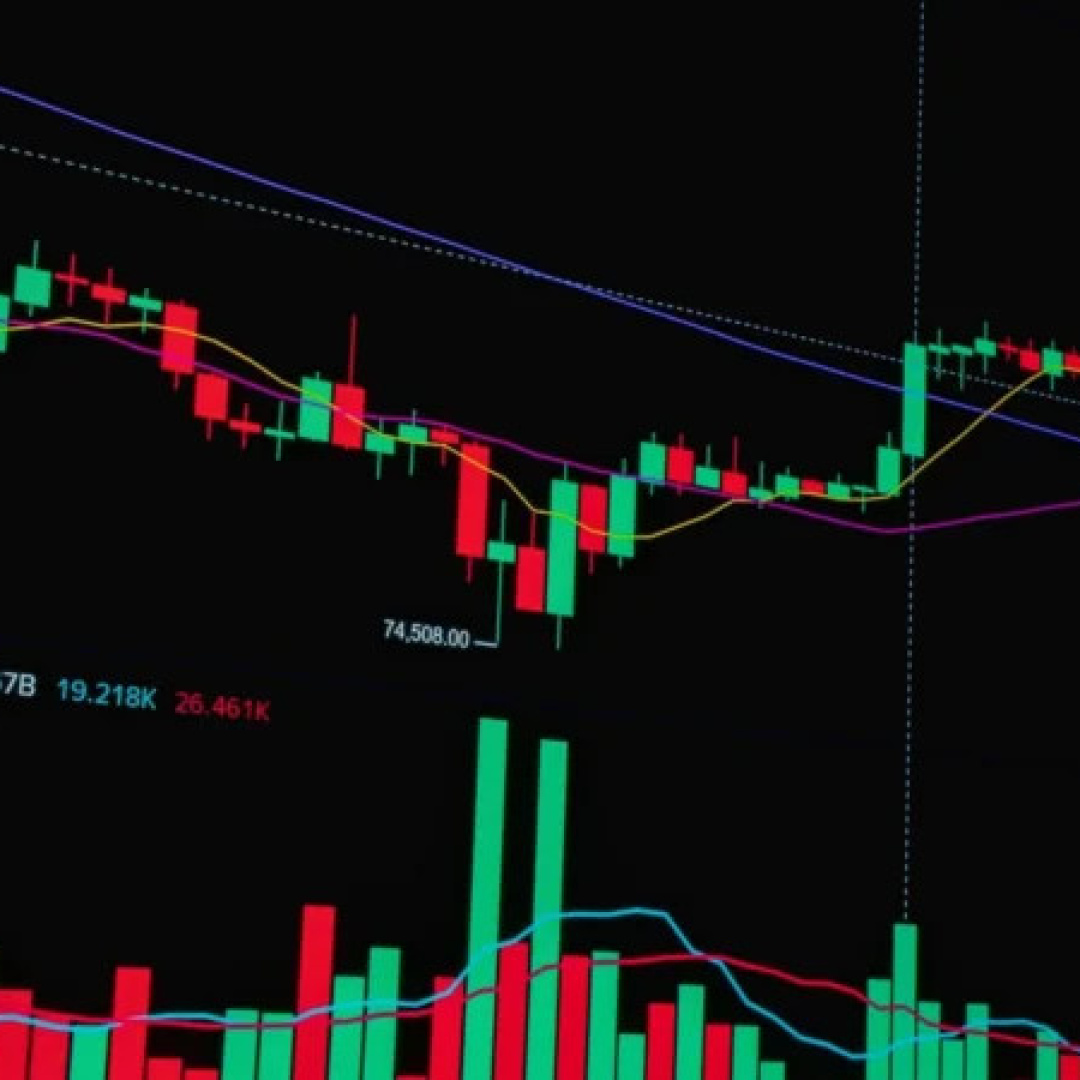
Investors in diversified semiconductor funds may not fully grasp their exposure to Intel (INTC), which has surged significantly in recent months. The First Trust Nasdaq Semiconductor ETF (FTXL) allocates about 12% of its assets to Intel, reflecting a concentrated position that investors did not directly choose. Over the past year, Intel's stock has skyrocketed by 356%, with a 61% increase in just the last three months. This impressive performance has pushed its price to approximately 63% above its 200-day moving average, indicating high investor expectations as the stock trades at about 97 times its expected earnings for the upcoming year, supported by forecasts of a 51% profit growth.
Intel is a holding in 59 different equity funds, with the concentration most evident in semiconductor-focused ETFs. The FTXL has returned 144% over the past year, while the iShares Semiconductor ETF (SOXX), which holds about 5.3% of its assets in Intel, has returned 125%. However, this concentration also introduces significant single-stock risk.
For Your Trading Desk
Sponsor Spike Success.
If Intel's stock were to revert to its 200-day average, it could drop by about 39%. For funds holding Intel, this would translate to a loss of approximately 4.4% for the FTXL and about 2.0% for the SOXX. Furthermore, investors cannot selectively sell only the Intel shares within their ETFs; they would need to sell the entire fund, potentially incurring taxable capital gains and complicating risk management.
For those looking to maintain exposure to the semiconductor sector with reduced reliance on Intel, alternatives like the State Street SPDR S&P Semiconductor ETF (XSD) exist, where Intel comprises about 2.4% of the fund. Although XSD's performance has been strong with a 96% return over the past year, it offers less concentration risk compared to FTXL.
Investors should assess their true exposure to Intel and consider funds that provide similar sector exposure with less reliance on any single stock. The ETF Valuation and Performance Scorecard can help investors compare major ETFs based on valuation, return, and risk, highlighting those that are more diversified.
It is essential to remember that an ETF is just one component of an overall portfolio. Investors should evaluate how much risk any single position poses to their net worth. The Trefis Wealth team offers professional assessments to help investors understand their portfolio vulnerabilities and make informed decisions about their investments.