Bitcoin Remains Resilient Amid US-Iran Tensions and S&P 500 Short Squeeze
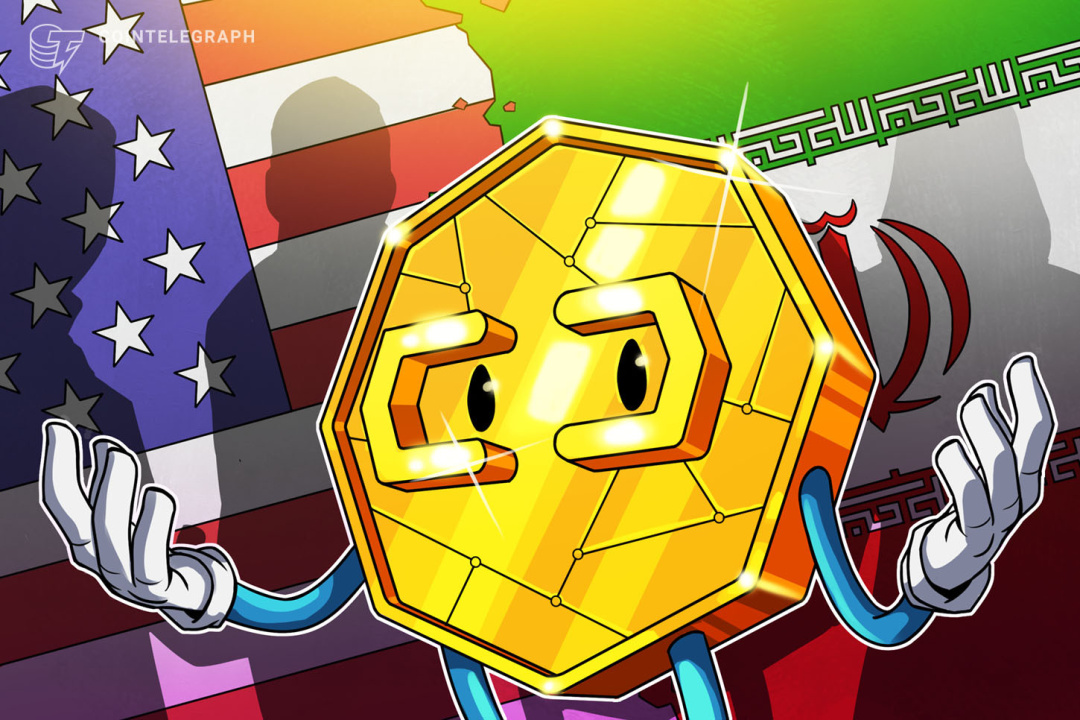
Bitcoin held steady on Wednesday, demonstrating resilience in the face of escalating tensions between the US and Iran. Despite threats from US President Donald Trump regarding military action against Iranian infrastructure, Bitcoin's price action remained largely unaffected. Data from TradingView indicated that BTC/USD was down 1% for the day, having previously reached five-week highs near $67,000.
While geopolitical tensions typically influence market performance, both Bitcoin and US stocks continued to show bullish momentum. Oil prices experienced some volatility, with WTI and Brent crude reaching their highest levels since June 11, at $88.60 and $95.50, respectively. However, the broader market appeared to brush off the conflict, with analysts suggesting that those betting against the market could face significant losses.
For Your Trading Desk
Sponsor Spike Success.
The Kobeissi Letter reported that short interest in the S&P 500 had risen to approximately 3.7% of its free float, nearing the highest levels recorded since 2010. Similarly, short interest in the Russell 3000 reached about 6.1%, also close to an all-time high. This situation has led to speculation about a potential short squeeze that could penalize late short positions.
As Bitcoin traders awaited a decisive price movement, the $67,000 level became a focal point. At the time of publication, Bitcoin was trading around $65,975, with a 24-hour trading volume exceeding $30.3 billion. Analysts noted that breaking above the $67,000 mark could indicate a bullish market structure, signaling a higher high.
Traders also observed a strong weekly bullish divergence for Bitcoin against US stocks, suggesting a potential trend breakout. The relative strength index (RSI) was highlighted as a leading indicator for this movement. Overall, the consensus among analysts remains that Bitcoin's next significant price movement could occur later this year or in early 2027, as the market continues to navigate through these geopolitical uncertainties.