Trump Imposes 50% Tariffs on Canadian Goods, Sparking Market Concerns
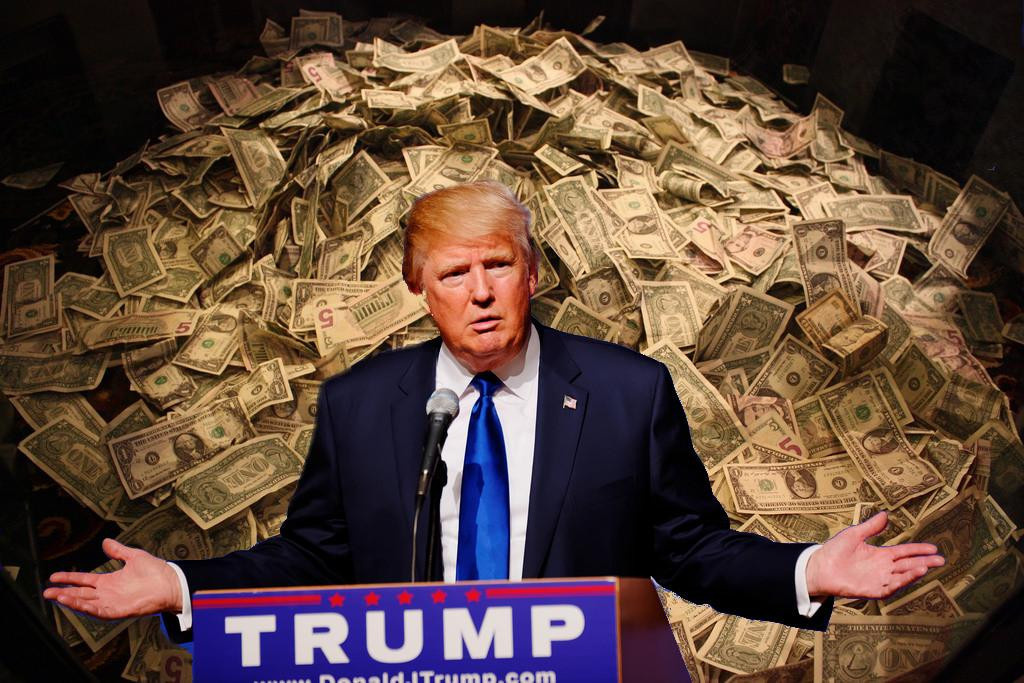
On July 21, 2026, President Donald Trump imposed a 50% tariff on a wide range of Canadian goods, claiming that Canada has unfairly discriminated against American autos, alcohol, and dairy products. This move is expected to trigger significant economic repercussions, including heightened inflation and a deterioration of relations between the United States and Canada, which have historically been closely aligned. An administration official indicated that Canada, alongside China, had retaliated against previous tariffs and needed to be held accountable.
The announcement has raised concerns among investors, leading to a 1.6% drop in the S&P 500 as uncertainty looms over Wall Street. Analysts speculate that Trump's tariff threats are not merely policy decisions but part of a strategy to create financial chaos, benefiting those with insider knowledge of market movements. This pattern of behavior has been observed in past tariff confrontations, where Trump's announcements often led to volatility in stock and money markets.
For Your Trading Desk
Sponsor Spike Success.
Financial experts point to a network of major financial players who may profit from these engineered market fluctuations. The manipulation of stock prices through speculative trading practices has transformed the stock exchange into a high-stakes gambling environment, where those privy to Trump's statements can capitalize on the resulting market instability.
Historically, Trump's tariff threats have coincided with significant market downturns. For instance, in early March 2025, similar threats led to a notable collapse of the New York Stock Exchange, marking one of the largest financial downturns since the onset of the COVID-19 pandemic. Conversely, when tariffs were later revised or lifted, markets often rebounded sharply, raising questions about the role of foreknowledge and insider trading in these scenarios.
The broader implications of Trump's tariff policies extend beyond immediate economic impacts, suggesting a deliberate approach to destabilize the Canadian dollar and manipulate market conditions for financial gain. As the situation unfolds, the integrity of market operations and the potential for insider trading remain critical concerns for investors and policymakers alike.