Apple Stock Drops 5% as Price Increases Loom, Market Cap Falls $215B
Apple Inc. experienced a significant decline in its stock price, dropping 5% and erasing approximately $215 billion in market capitalization. This downturn was triggered by CEO Tim Cook's announcement regarding upcoming price increases across the company's product line, primarily due to soaring memory chip costs. In an interview with the Wall Street Journal, Cook explained that the rising costs, largely driven by demand from the AI sector, have made current pricing unsustainable for Apple.
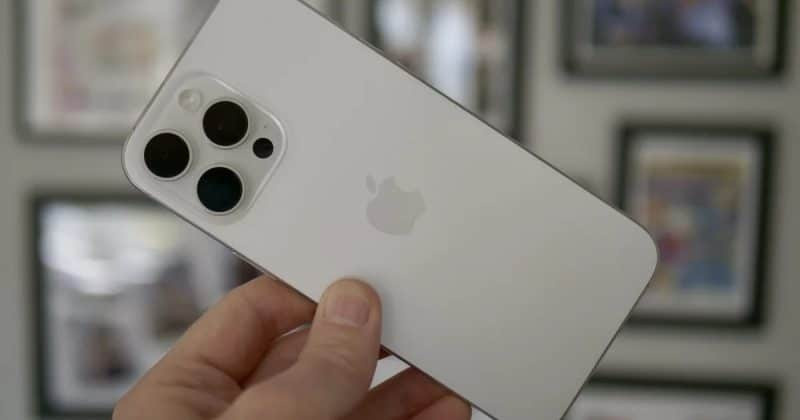
Investors are particularly concerned about potential price hikes for flagship iPhone models, which could see increases of $150 to $200. The iPhone 18 Pro, anticipated to launch later this year, may carry a starting price of $1,299. While Apple has not confirmed the exact timing of these price adjustments, speculation suggests that the September 2026 iPhone launch event could be when these changes take effect.
For Your Trading Desk
Sponsor Spike Success.
Cook characterized the price increases as unavoidable, highlighting the broader impact of rising semiconductor costs on the hardware industry. This announcement follows a previous dip in Apple's stock, which fell about 2% after the WWDC 2026 event, where the company's AI updates did not generate the expected excitement among investors.
The competitive landscape adds another layer of complexity. Companies like Samsung, Google, and Chinese manufacturers such as Xiaomi are also grappling with similar chip cost pressures. Some competitors may opt to absorb these costs to maintain market share, while others might follow Apple's lead, potentially leading to an industry-wide price reset.
The implications of a $1,299 starting price for the Pro model could push Apple further into luxury territory, raising concerns about customer loyalty and the potential lengthening of the upgrade cycle from two years to three. Analysts are keenly observing the upcoming September launch event, as pre-order numbers and initial sales figures will provide critical insights into consumer willingness to accept the price increases. If Apple can successfully raise prices while maintaining unit volumes, the current stock sell-off may be viewed as a buying opportunity. Conversely, if sales volumes decline, the $215 billion loss could be just the beginning of a more significant downturn.