Netanyahu's Unpopularity Fuels Pro-Palestine Candidates' Success in Congress
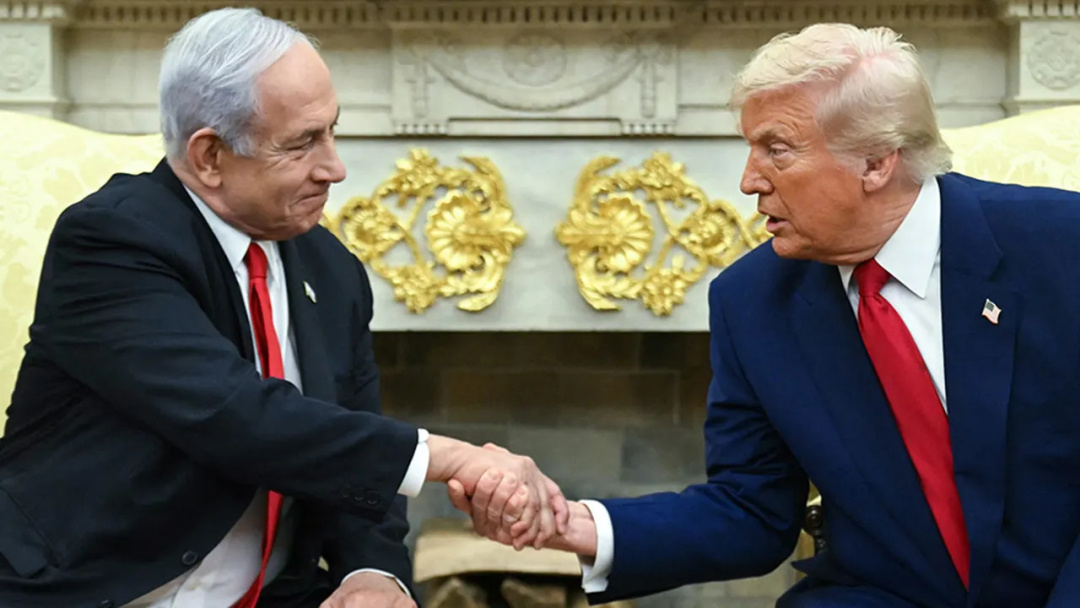
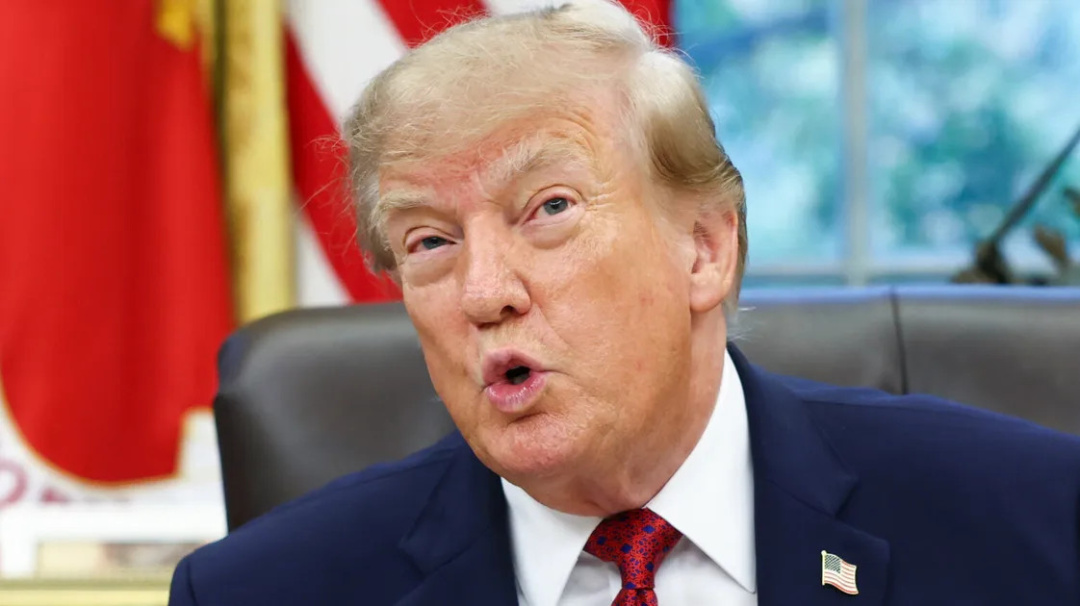
Benjamin Netanyahu's waning popularity and his strained relationship with former President Donald Trump are influencing U.S. politics, particularly in the context of pro-Palestinian candidates gaining traction. Trump's recent criticisms of Netanyahu, including remarks about his mental state and accusations of corruption, highlight the discord between the two leaders. As Netanyahu grapples with a corruption trial and escalating military actions against Hamas, his approach has drawn international condemnation and accusations of turning Israel into a pariah state.
In the recent New York primary elections, Mayor Zohran Mamdani, a self-identified socialist, successfully backed three pro-Palestinian candidates, defeating two incumbents. This victory has raised alarms within the Democratic Party, which is increasingly perceived as leaning anti-Israel, particularly among younger voters who may not recall the historical context of U.S.-Israel relations. Mamdani's candidates, including community organizer Darializa Avila Chevalier, have faced scrutiny for their past statements regarding Israel and policing, further complicating the party's narrative.
For Your Trading Desk
Sponsor Spike Success.
The Democratic Party's shift is evident as it grapples with internal divisions over its stance on Israel. Critics argue that the party's leftward movement, exemplified by Mamdani's influence, could alienate moderate voters. Prominent figures, including Rep. Dan Goldman, who lost his primary to a Mamdani-backed candidate, have expressed concerns about the implications of anti-Israel rhetoric on the party's future. The backlash against Mamdani's candidates underscores a broader frustration with the Democratic establishment, perceived as failing to address the needs of working-class constituents.
As Netanyahu continues to face challenges both domestically and internationally, the political landscape in the U.S. reflects a growing divergence in opinions on Israel and Palestine. The outcomes of these primaries signal a potential reconfiguration of Democratic priorities, with implications for future elections. The evolving dynamics suggest that Netanyahu's actions and the resulting fallout may have far-reaching consequences for U.S.-Israel relations and the Democratic Party's electoral strategy moving forward.