Micron Reports Record Q3 Earnings Driven by AI Demand
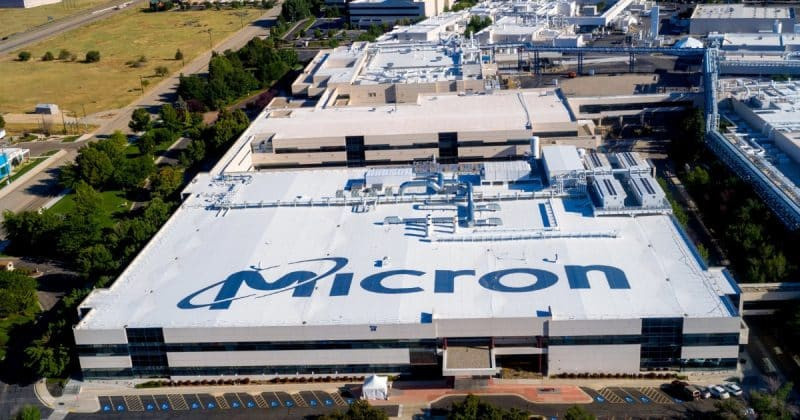
Micron Technology has reported an impressive fiscal Q3 2026 revenue of $41.46 billion, far exceeding analyst estimates of around $35 billion by more than $6 billion. This marks a remarkable growth from $9.3 billion in the same quarter last year, representing a more than fourfold increase in just twelve months. The revenue breakdown shows that DRAM, a key memory type used in various devices, accounted for $31.3 billion, while NAND flash memory contributed an additional $9.9 billion.
Adjusted earnings per share reached $25.11, surpassing Wall Street's expectations of $20.39. Notably, Micron reported adjusted gross margins of approximately 85%, a figure that highlights significant pricing power in a supply-constrained market, especially compared to historical margins typically ranging from 30% to 50%.
For Your Trading Desk
Sponsor Spike Success.
CEO Sanjay Mehrotra emphasized the strategic importance of memory in the current AI-driven landscape. Alongside the earnings report, Micron announced a strategic supply agreement with Anthropic, an AI lab known for its Claude models. This partnership illustrates a shift in how memory manufacturers are engaging directly with AI companies, moving away from traditional supply chains that primarily involved cloud providers.
Looking ahead, Micron has guided for Q4 revenue between $49 billion and $51 billion. Achieving the midpoint of this guidance would represent a sequential increase of approximately 20% over the already impressive Q3 results. Following the earnings announcement, Micron's stock experienced significant gains.
The focus of Micron's earnings narrative was squarely on AI, with no references to cryptocurrency or blockchain technologies. This marks a shift from previous cycles, such as during the 2017-2018 crypto boom and again in 2021, when memory demand was partially driven by crypto mining and related hardware needs. Currently, the primary demand driver is AI, with companies like Anthropic, OpenAI, Google DeepMind, and Meta consuming memory at rates far exceeding those seen during the crypto mining peaks.
For investors in the cryptocurrency sector, this shift in the semiconductor supply chain is crucial. The capacity that was once allocated partly based on crypto demand is now predominantly focused on AI workloads. Should the demand for crypto mining or blockchain infrastructure rise again, those involved in crypto may find themselves competing for chips against AI labs that have secured long-term supply agreements and possess substantial budgets.