Chipmakers Spark Global Market Decline Amid AI Demand Concerns

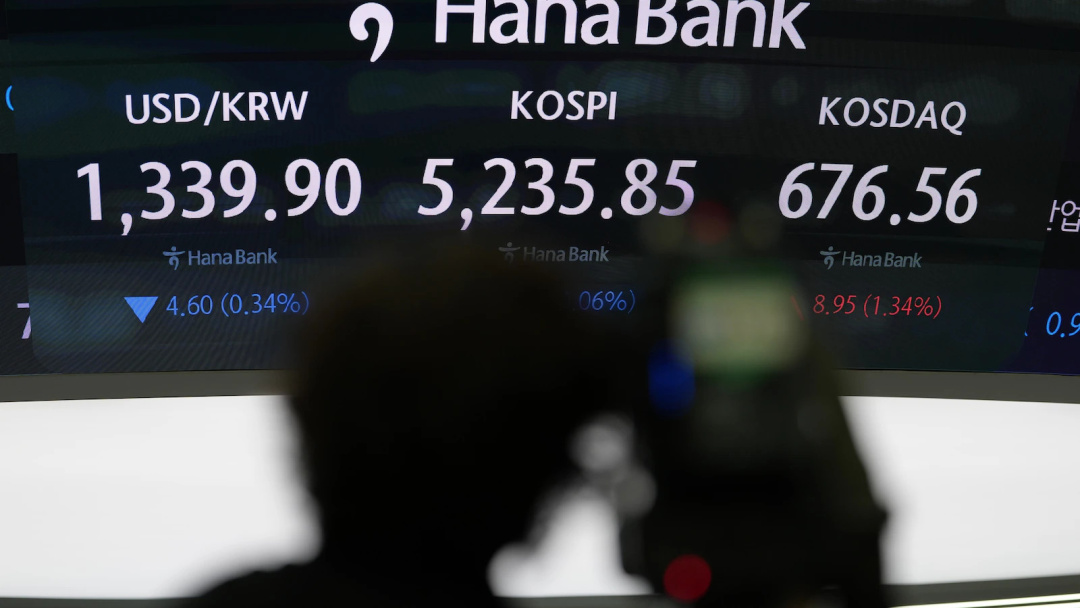
A recent report from SK Hynix indicating a slowdown in AI memory chip production has sent shockwaves through global markets, prompting investors to reconsider the sustainability of the AI trade. On June 23, 2026, this news led to a significant selloff, with SK Hynix and Samsung Electronics each experiencing intraday losses exceeding 10%. This decline was severe enough to trigger a circuit breaker on the KOSPI, South Korea's stock index, designed to pause trading during extreme market conditions.
The repercussions were felt beyond South Korea. The Nasdaq 100 fell approximately 2.9%, while the S&P 500 opened about 1.3% lower, indicating a widespread sector revaluation rather than a localized event. Notably, companies like Nvidia and Micron also saw their stock prices decline, reinforcing the notion that the market was undergoing a broader correction.
For Your Trading Desk
Sponsor Spike Success.
The VIX, often referred to as Wall Street's fear gauge, spiked above 20, a level that signals heightened expectations of near-term volatility among options traders. This marked a stark contrast to the preceding period of the AI boom, during which the VIX had remained comfortably below that threshold.
The catalyst for this market turmoil was the report from SK Hynix, which raised doubts about the ongoing demand from large cloud and tech companies, known as hyperscalers, that are investing heavily in AI data centers. This uncertainty has led investors to question whether the anticipated growth in AI infrastructure spending will continue at the previously assumed pace.
Micron, which had seen its shares soar over 300% year-to-date prior to the selloff, exemplifies the volatility inherent in the memory chip market, which is characterized by cyclical demand patterns. As the market reevaluates these valuations, the turbulence has persisted into early July, with investors grappling with the reality of AI infrastructure spending versus the inflated valuations that have developed around it.
The impact of this market shift extended to cryptocurrencies, with Bitcoin slipping towards the $63,000 mark as overall market sentiment soured. Historically, digital assets like Bitcoin have shown a tendency to move in tandem with equities during periods of market stress. While the correlation is not absolute and tends to weaken during calmer periods, the current environment has seen institutional investors de-risking their portfolios, placing cryptocurrencies alongside tech-heavy positions in the Nasdaq.