Asian Markets Decline Amid AI Stock Sell-Off and Rising Oil Prices
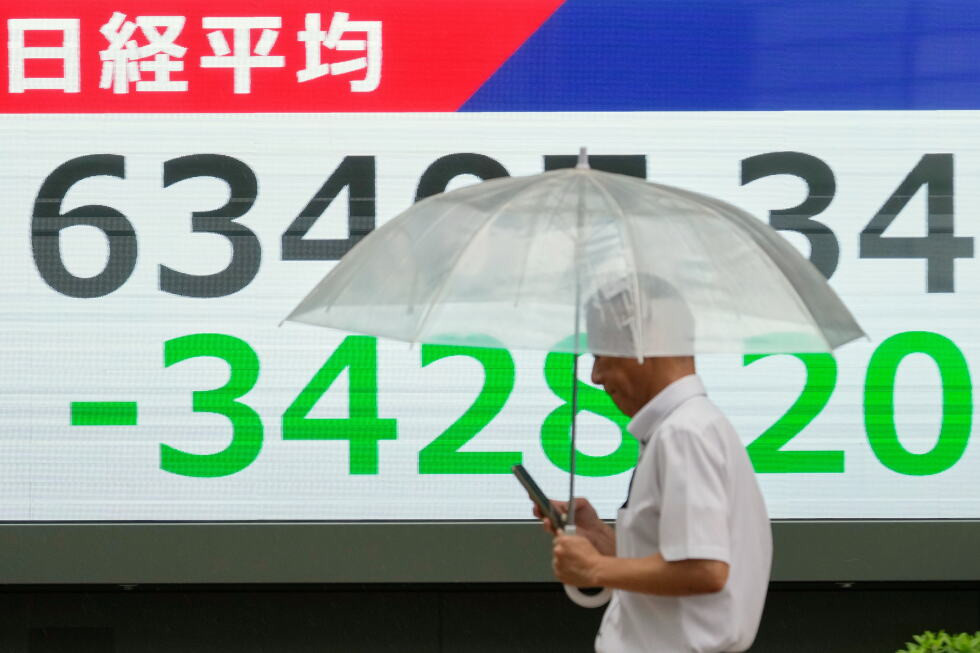
Asian stock markets faced a downturn on Friday, with Tokyo's Nikkei 225 index dropping more than 5%, primarily due to significant sell-offs in computer chipmakers and other AI-related shares. South Korean markets were closed, but Taiwan's stocks fell 5.9% after TSMC, the world's largest contract chip manufacturer, announced plans to invest an additional $100 billion in U.S. fabrication plants. This news heightened concerns about the sustainability of demand for computer memory and processors, especially as AI stocks have been under pressure for weeks, with investors questioning whether their high valuations can be justified.
The Nikkei lost 5.3% to close at 63,357.19, nearing its lowest levels in over a month. Shares of Tokyo Electron, a maker of chip equipment, fell 9.3%, while Advantest, a chip testing equipment manufacturer, saw a decline of 10.5%. In Hong Kong, the Hang Seng index dropped 2.2% to 24,450.88, and the Shanghai Composite index fell 1.6% to 3,818.59. Australia's S&P/ASX 200 also declined by 0.7% to 8,775.70.
For Your Trading Desk
Sponsor Spike Success.
Stephen Innes from SPI Asset Management noted that investors are now taking profits from first-half winners and shifting towards sectors that have lagged behind. In the U.S., the S&P 500 fell 0.5% on Thursday, despite strong earnings reports from major companies. The Dow Jones Industrial Average dipped 0.2%, while the Nasdaq composite lost 1.5%, with Nvidia being the largest contributor to the Nasdaq's decline, falling 2.4%. Other AI-related stocks also saw significant drops, with Micron Technology down 5.6%, SanDisk down 12.6%, and Western Digital down 9.2%.
Oil prices surged as tensions in the Middle East escalated, particularly following the U.S. expansion of its airstrike campaign against Iran, which included targeting infrastructure to pressure Tehran regarding its control over the Strait of Hormuz. Brent crude oil prices rose 1.1% to $85.13 per barrel, while U.S. benchmark crude increased by 1.3% to $79.95 per barrel. The ongoing conflict raised concerns about potential disruptions to oil shipments from the Persian Gulf.
Economic reports from the U.S. presented a mixed picture. Retail sales fell short of economists' expectations, indicating weaker consumer spending, while a decline in unemployment benefit applications suggested a robust job market. Additionally, manufacturing activity in the mid-Atlantic region exceeded expectations, providing some positive economic signals. In currency markets, the U.S. dollar strengthened against the Japanese yen, rising to 162.43 yen, while the euro slipped to $1.1438.