Wall Street Declines as Semiconductor Weakness Impacts Major Indices
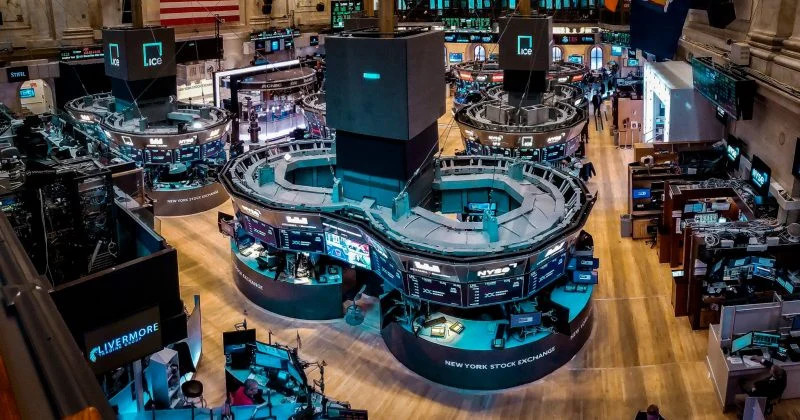
Wall Street ended the trading session lower, primarily driven by weakness in semiconductor stocks that significantly impacted the Nasdaq, which dropped nearly 1.5%. The S&P 500 closed at 7,534.62, down 0.50%, while the Nasdaq Composite fell 1.47% to 25,885.47. The Dow Jones Industrial Average, which has less exposure to the semiconductor sector, slipped 0.21% to 52,549.51.
The Philadelphia Semiconductor Index experienced a notable decline of 3.5%, largely due to memory-chip companies that have previously benefited from AI-driven optimism. Among the hardest hit were SanDisk, which fell approximately 10%, Western Digital, down about 8%, and Seagate Technology, which declined around 7.5%.
For Your Trading Desk
Sponsor Spike Success.
Despite these declines, the semiconductor sector's fundamentals remain strong. Taiwan Semiconductor Manufacturing Company (TSMC), a key player in the industry, reported a remarkable 77% increase in quarterly profits year over year. However, TSMC's US-listed shares fell by about 2.1%, reflecting the sector's broader struggles.
Semiconductors have become the most influential sector within the S&P 500, with their weighting increasing from around 8% several years ago to over 20% today. This shift underscores the sector's growing impact on overall market performance.
In contrast to the semiconductor sector, UnitedHealth Group saw gains after upgrading its forecast, indicating some positive sentiment in parts of corporate America. Economic indicators showed mixed results, with US retail sales rising only slightly in June. Jobless claims decreased, and manufacturing activity in the Northeast showed resilience, but pending home sales fell more than anticipated, highlighting the ongoing challenges posed by higher interest rates in the housing market.
Notably, neither Bitcoin nor the broader cryptocurrency market was directly affected by the semiconductor-driven selloff, which was primarily a reflection of sector-specific valuations rather than a broader macroeconomic risk-off event.