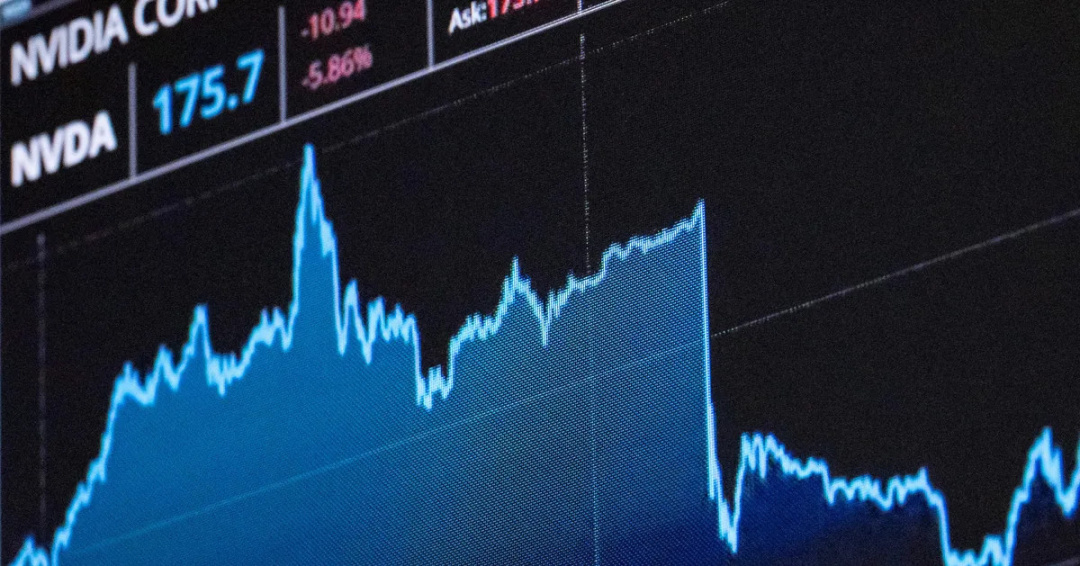
Investors Brace for Market Volatility Amid AI Stock Concerns and Fed Decisions
Wall Street is gearing up for a crucial week as investors anticipate significant labor data and fresh insights regarding the Federal Reserve's interest rate policies. The upcoming November jobs report, scheduled for release next Friday, is expected to be a key indicator of the U.S. economy's health ahead of the Fed's policy meeting on December 8-9. Stronger-than-expected economic data could bolster the case for a more aggressive monetary policy, further pressuring stocks that have already faced recent selloffs.
The market has experienced notable volatility in recent sessions, with the S&P 500 entering correction territory last week before recovering slightly on Monday. This rebound followed the reinstatement of Nvidia CEO Jensen Huang, whose departure earlier this month raised concerns due to personal controversies, including allegations involving a suspected Chinese spy. However, the relief was short-lived as technology and AI-related stocks continued to fluctuate, with investors buying into beaten-down AI shares during the post-Thanksgiving trading session.
For Your Trading Desk
Sponsor Spike Success.
Nvidia's situation remains a focal point for investors, especially after S&P Global Ratings placed the company's credit rating on "CreditWatch Negative," indicating a potential downgrade. While Huang's return has alleviated some concerns regarding Nvidia's leadership, broader risks associated with the AI sector persist. Investors are wary of the substantial borrowing needed for infrastructure expansion and whether the significant investments in data centers will yield adequate returns. Joseph Zidle, chief market strategist at Cresset Capital, noted that skepticism about the sustainability of AI capital expenditures is growing.
Federal Reserve's Upcoming Meeting Sparks Market Speculation
The Federal Reserve's upcoming meeting is poised to be another critical moment for the markets. Analysts widely expect the central bank to raise interest rates by 25 basis points as it continues to combat inflation, which has remained above its 2% target for several years. However, the market is particularly focused on the Fed's guidance tone and the pace of future rate increases. Fed Governor Christopher Waller has suggested a more aggressive approach to tackling inflation, potentially advocating for a 50-basis-point hike in December or a quicker pace of increases in 2027.
Economic Indicators Set to Influence Market Sentiment
Higher interest rates typically raise borrowing costs for both businesses and consumers, which can exert downward pressure on stock valuations. Thus, the forthcoming economic data is crucial. Any signs of economic slowdown could provide the Fed with the flexibility to adopt a less aggressive stance, potentially supporting equity markets. Economists surveyed by LSEG predict that the November employment report will show an addition of 90,000 jobs, with the unemployment rate holding steady at 4.1%. This follows a stronger-than-expected increase of 165,000 nonfarm payrolls in October.
In addition to employment data, investors will be monitoring manufacturing and services activity, along with consumer sentiment, for further insights into the U.S. economy's state. Corporate earnings reports, particularly from Salesforce and Marvell Technology, are also expected to contribute to market volatility amid ongoing concerns regarding the outlook for technology and AI stocks. The recent selloff has significantly impacted major U.S. indices, with the S&P 500 declining about 7% since reaching record highs on October 6, while the Nasdaq Composite has fallen nearly 13%. The Cboe Volatility Index (VIX), often referred to as Wall Street's fear gauge, remains elevated, indicating persistent investor anxiety about market conditions.