Indonesian Stock Market Gains Rp247 Trillion as JCI Rallies 3.73%
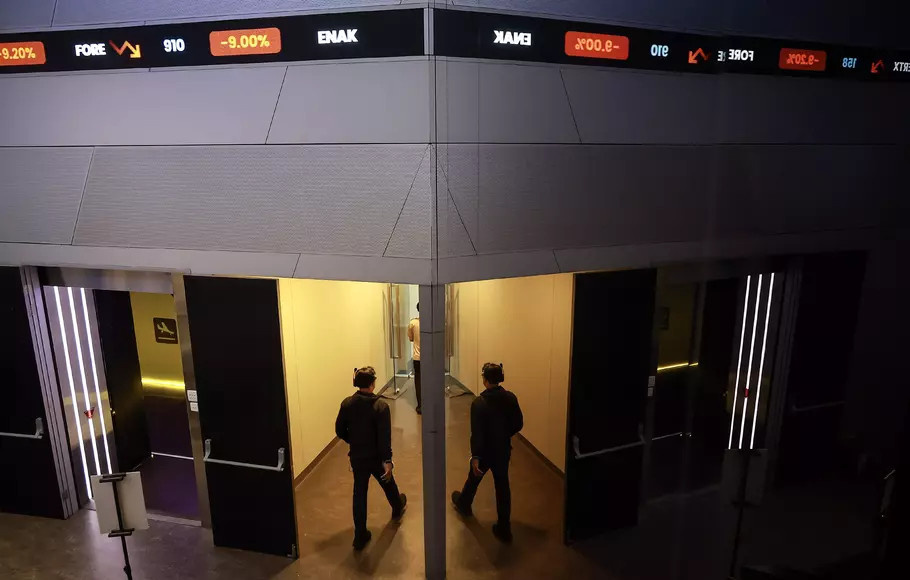
Jakarta. Indonesia’s stock market experienced a notable increase of Rp 247 trillion ($13.46 billion) in market capitalization last week, as the Jakarta Composite Index (JCI) rose by 3.73%. This rebound was fueled by optimism surrounding government initiatives to address concerns raised by the global index provider MSCI, although uncertainties regarding a potential market downgrade continued to affect investor sentiment.
The Indonesia Stock Exchange (IDX) reported that the total market capitalization climbed 2.83% to Rp 8,972 trillion by the end of the week, up from Rp 8,725 trillion the previous week. The JCI closed at 5,338.457 on Friday, a significant increase from 5,146.326 the prior week. Foreign investors recorded net purchases totaling Rp 380.22 billion throughout the week, with Rp 1 trillion of that occurring on Friday alone.
For Your Trading Desk
Sponsor Spike Success.
Market sentiment improved following reports of discussions between President Prabowo Subianto and MSCI regarding Indonesia’s proposed capital market reforms. These reforms focus on enhancing corporate governance, improving share ownership transparency, and exploring alternatives to avoid a downgrade from emerging-market status.
Despite the positive momentum, concerns lingered as MSCI maintained its proposal to reclassify Indonesia from an emerging market to a standalone market. This change raises the possibility of capital outflows as international investors reassess their exposure to Indonesian equities.
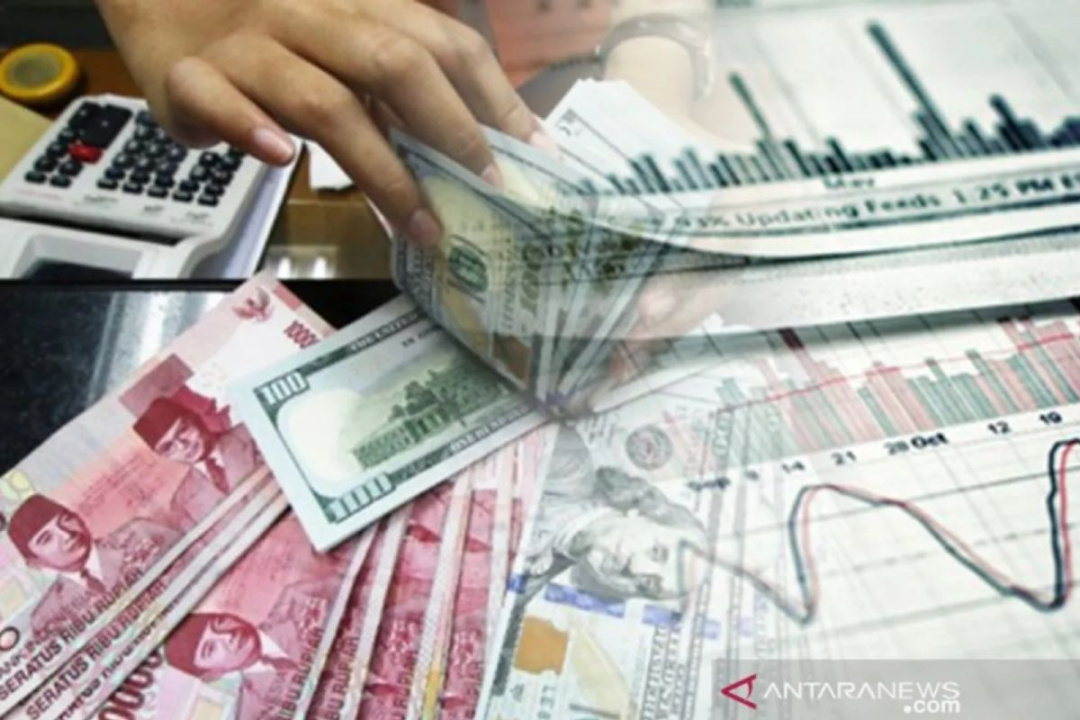
The uncertainty surrounding the market has also put pressure on the rupiah, which hit a record low of Rp 18,400 per US dollar on Thursday. This decline is attributed to a stronger US dollar, expectations of rising US interest rates, and worries about potential foreign capital withdrawals. Bank Indonesia noted that the currency's weakness is partly due to anticipated further monetary tightening by the US Federal Reserve, driven by persistent inflation and robust economic data.
Central Takes Center Stage
The central bank has raised its benchmark interest rate four times this year, totaling a cumulative increase of 125 basis points, including a 25-basis-point hike in November, to support the rupiah and manage inflation.
External trade risks are adding to the market's uncertainty. Investors are closely monitoring the US government's plans to implement new import tariffs on China, the European Union, and several other trading partners starting December 1. Additionally, Washington is investigating alleged industrial overcapacity among 16 trading partners, including Indonesia, under Section 301 of the Trade Act, which could lead to additional tariffs on Indonesian exports.
Trade Tariff Concerns and Foreign Investment Trends in Indonesia
Currently, Indonesia faces an 18% US tariff under a trade agreement established in February, with warnings that this rate could increase to 25% if the US considers Jakarta's commitments insufficient. Trade chief negotiator and Coordinating Minister for Economic Affairs Airlangga Hartarto has expressed confidence that Indonesia can avoid the higher tariff.
Despite last week’s positive performance, foreign investors remained net sellers in the Indonesian stock market, with cumulative net outflows reaching Rp 99.85 trillion throughout 2026 as of the reporting period.