U.S. Stock Futures Decline as Nvidia's CEO Return Fades
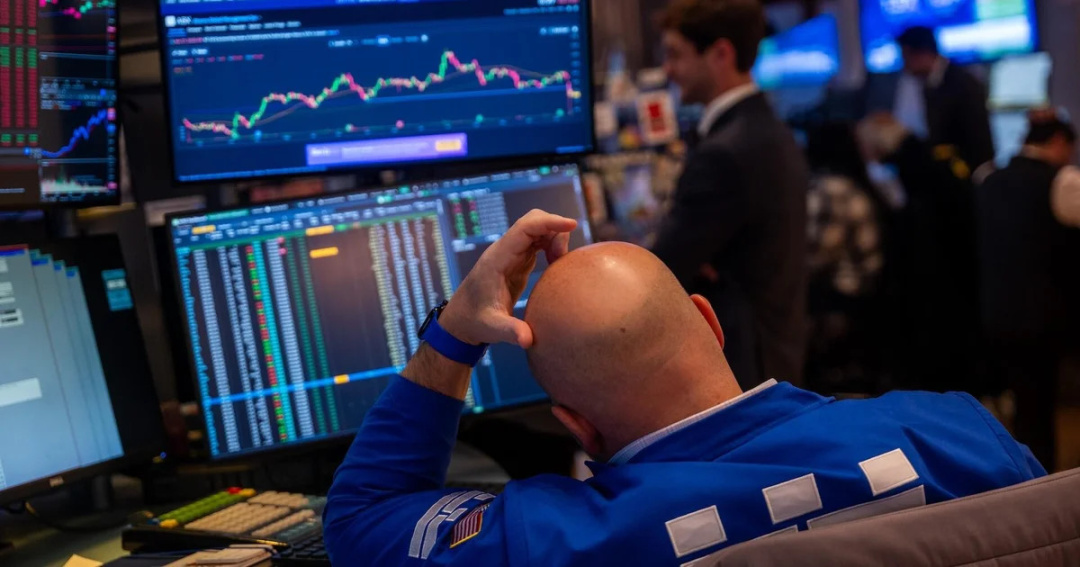
U.S. stock futures are poised for a decline on Wednesday, marking a second consecutive day of losses that largely erases the rally seen on Monday, which was sparked by the unexpected return of Jensen Huang as CEO of Nvidia. This downturn reflects growing investor concerns about Nvidia's corporate governance and the influence of a U.S. president who holds significant shares in the company, raising questions about the stability of the artificial intelligence sector.
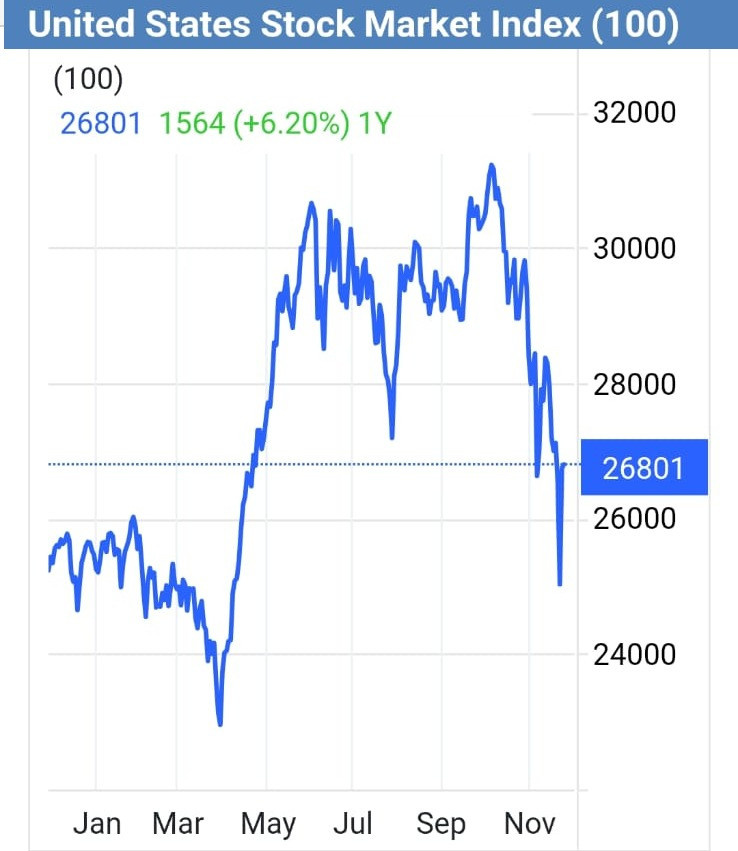
Futures for the S&P 500 are down by 1.5%, while the Dow Jones Industrial Average futures indicate a 0.3% drop. The tech-heavy Nasdaq 100 is expected to see a 3% decline, effectively negating the gains made earlier in the week. Shares of Anthropic, an AI lab that recently had the largest initial public offering in history, fell by 5% in premarket trading, dropping to $77.86, below its IPO price of $83 per share.
For Your Trading Desk
Sponsor Spike Success.
Investor skepticism is growing regarding whether the AI sector can sustain the massive investments in data centers, especially in light of the Trump administration's plans to increase tariffs on China and other major trading partners just before the Thanksgiving holiday. Chris Zaccarelli, Chief Investment Officer for Northlight Asset Management, expressed concerns in an email, stating that the combination of AI-related anxieties and the newly announced tariffs suggests that a traditional year-end rally may not materialize this year.
Legislative and Economic Challenges Loom for AI Companies
As Democrats prepare to take control of Congress next year, there are indications that AI companies may face additional challenges, particularly as lawmakers may push back against the construction of new data centers. Investment adviser Capital Economics noted that even prior to the midterm elections, investors were increasingly questioning the financial viability of AI companies.
Additionally, investors are bracing for the potential impact of further interest rate hikes starting in December, with expectations that the Federal Reserve will raise borrowing costs to combat rising inflation. This could complicate borrowing for businesses, including those in the AI sector, hindering their growth prospects.