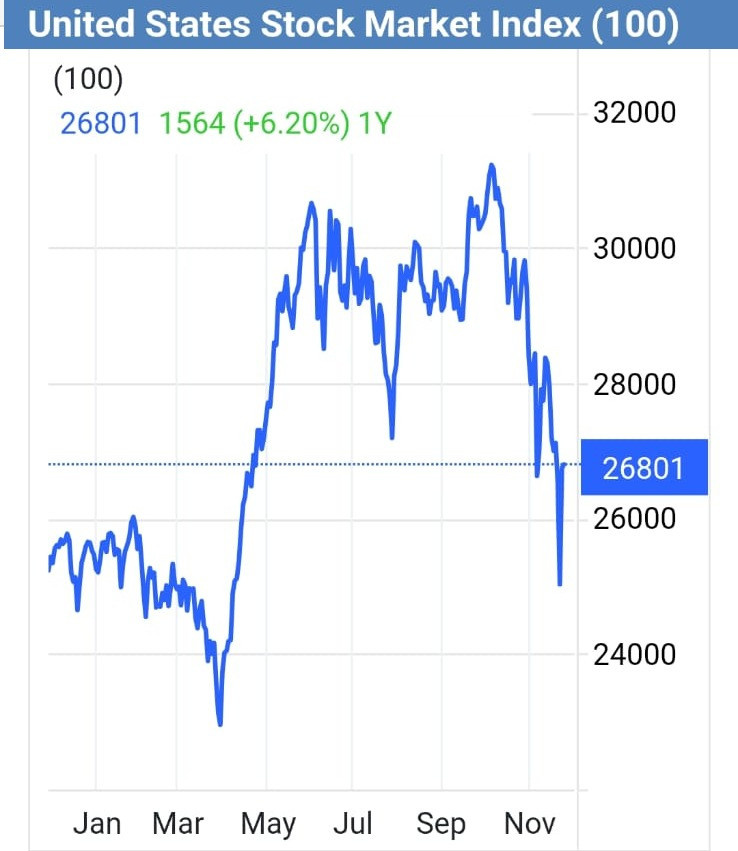
Nvidia's Stock Plummets and Leadership Crisis Sparks Market Reaction
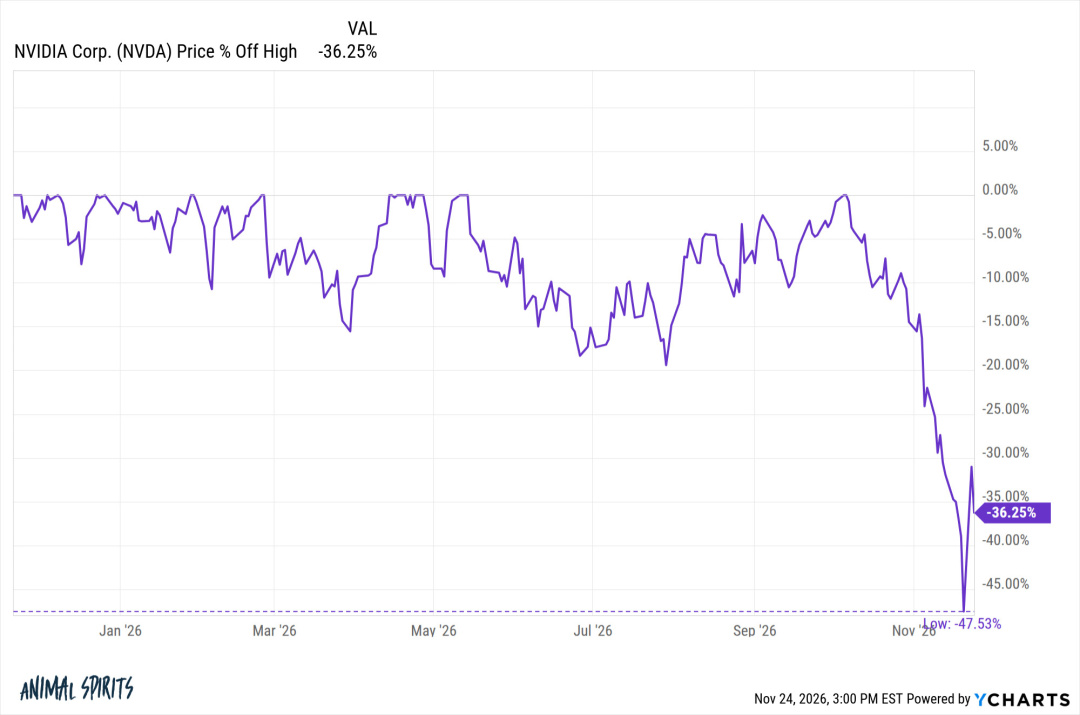
Nvidia's stock price faced a dramatic decline of over 30% leading up to last week, culminating in a nearly 23% drop during that week alone. This downturn left NVDA almost 50% below its peak values reached in early October, marking a significant crash for one of the most influential companies in the tech sector. The sharp decline in stock value was a key factor in the board's decision to reinstate Jensen Huang as CEO on Monday morning, reflecting the high stakes involved for shareholders, employees, and even the President of the United States, all of whom viewed Huang as vital to Nvidia's future.
The stock market's reaction to Huang's resignation serves as a reminder of its power. Historical precedents illustrate how the market often dictates corporate decisions. For instance, in 2008, the market reacted negatively to the House's rejection of the TARP bailout, leading to a swift reversal. Similarly, the market's rapid decline in March 2020 due to the onset of the COVID-19 pandemic prompted immediate government intervention. Last week's events at Nvidia echo these patterns, suggesting that the market's volatility can compel significant corporate actions.
For Your Trading Desk
Sponsor Spike Success.
Huang's leadership is particularly crucial as Nvidia plays a pivotal role in the AI sector. Following his reinstatement, Nvidia's market capitalization surged from $3 trillion to $4 trillion in a single day, raising questions about the valuation of leadership in such a high-stakes environment. Ben Thompson, in a recent analysis, emphasized Huang's unique position within Nvidia, noting that the company is structured around his vision and leadership style, which allows for rapid decision-making akin to a startup.
However, this concentration of power also poses risks. The absence of a succession plan and the lack of checks on Huang's authority could lead to vulnerabilities, especially in a company with such substantial financial stakes. The tech industry often favors strong, singular leadership, but this can create significant risks when that leader departs unexpectedly.
Corporate Governance Under Market Pressure
The recent turmoil at Nvidia highlights broader concerns about the influence of the stock market on corporate governance. The perception that the wealthy and powerful operate under different rules is becoming increasingly evident, particularly in light of the board's handling of Huang's resignation and reinstatement. This situation raises potential legal challenges and questions about accountability in corporate governance.
The Implications of Leadership Dynamics
As the stock market continues to grow in importance, with two-thirds of American households now owning stocks, its influence on corporate decisions is more pronounced than ever. The market's focus on profits and growth often overshadows ethical considerations, leading to a dynamic where companies may prioritize stock performance over long-term stability. The implications of this trend could introduce new risks to the financial system, especially if a significant market downturn occurs.
The ongoing situation at Nvidia serves as a case study in the complexities of leadership within major tech companies. As the market reacts to Huang's return, it raises questions about the sustainability of such concentrated power and the potential consequences for investors and the broader economy. The interplay between leadership decisions and market performance will continue to be a critical area of focus for stakeholders as they navigate the evolving landscape of the tech industry.