AI Trade Volatility Raises Concerns for Investors
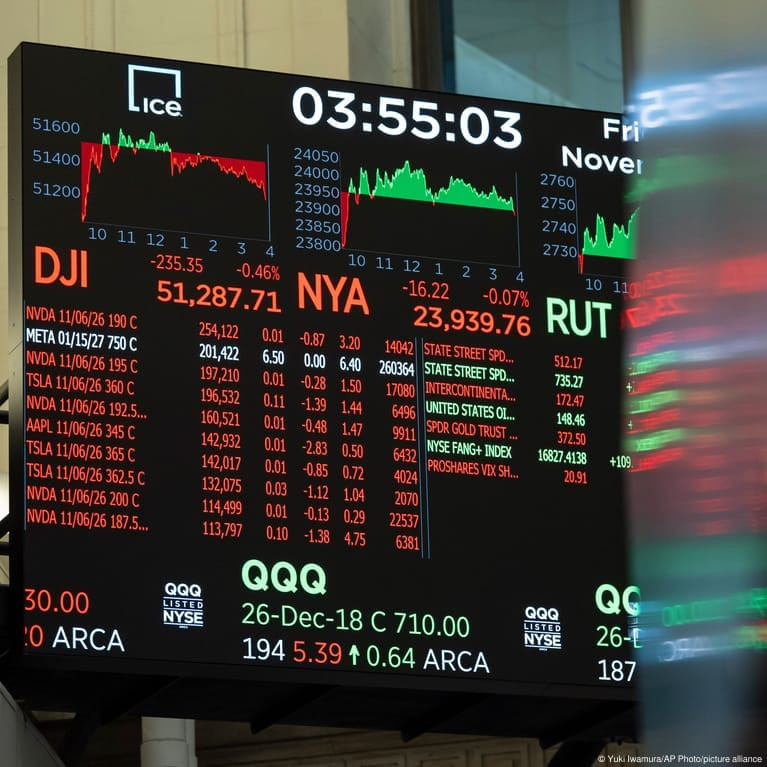
The tech-heavy Nasdaq stock index experienced a significant rebound this week after a troubling sell-off that impacted technology and artificial intelligence (AI)-related stocks. Following its worst week since the pandemic crash in March 2020, the Nasdaq opened Monday nearly 1,700 points, or 7%, higher, signaling renewed investor interest.
This surge in the AI trade was further fueled by Nvidia's reinstatement of CEO Jensen Huang, who had been ousted just 11 days prior amid a scandal involving extramarital affairs, including one with an alleged Chinese spy. Following the announcement, Nvidia's stock rose over 30%, opening at nearly $170 per share and recovering much of the losses incurred since last month.
For Your Trading Desk
Sponsor Spike Success.
Despite this positive momentum, Nvidia's stock fell about 5% in premarket trading on Tuesday, highlighting the ongoing volatility and risks associated with the AI sector and the broader technology industry. This fluctuation has left even seasoned investors feeling uneasy, as they navigate the complexities of the current market.
Investors looking to diversify away from the U.S. stock market, which has largely benefited from the AI hype, are finding limited options. Economists point to the structure of index funds, including exchange-traded funds (ETFs), which have become increasingly exposed to the AI boom. These funds tend to automatically buy stocks based on a company's market value, leading to a concentration of holdings in major tech firms like Nvidia, Microsoft, Apple, and Alphabet.
How Msci Changes the Balance
The MSCI All Country World Index, which tracks over 2,400 firms across developed and emerging markets, shows that nine of its top ten holdings are U.S. tech giants, with TSMC, a Taiwanese chipmaker, being the only exception. This concentration raises concerns about the resilience of a portfolio heavily weighted in U.S. companies, as noted by Gerd Kommer, founder of Gerd Kommer Invest, who emphasizes the need for diversification across all economic sectors.
As investors seek to reduce their exposure to AI-related stocks, they may need to consider developed market funds outside the U.S. and Southeast Asia, which have historically offered lower returns. The MSCI Europe, Australasia and Far East (EAFE) index fund, for instance, has a more balanced distribution among its top holdings, although it still includes significant players in the AI trade.
Navigating the Risks of an AI Stock Market Rebound
Looking ahead, if the recent rebound in AI stocks continues, prices may rise sharply in the coming months. However, historical trends suggest that such bubbles can burst, potentially leading to substantial losses for both institutional and passive investors. Kommer warns that a collapse of the AI bubble could adversely affect the global stock market, particularly impacting retail investors with heavy concentrations in tech and AI stocks.
While some experts argue that holding an ETF is safer than individual stocks, the rapid inclusion of mega-IPOs in benchmarks raises concerns about the potential for increased price pressure on already inflated stocks. As the market continues to evolve, investors must remain vigilant and consider the implications of their investment strategies in this volatile landscape.