Jensen Huang's Return to Nvidia Sparks Market Rally and Governance Concerns
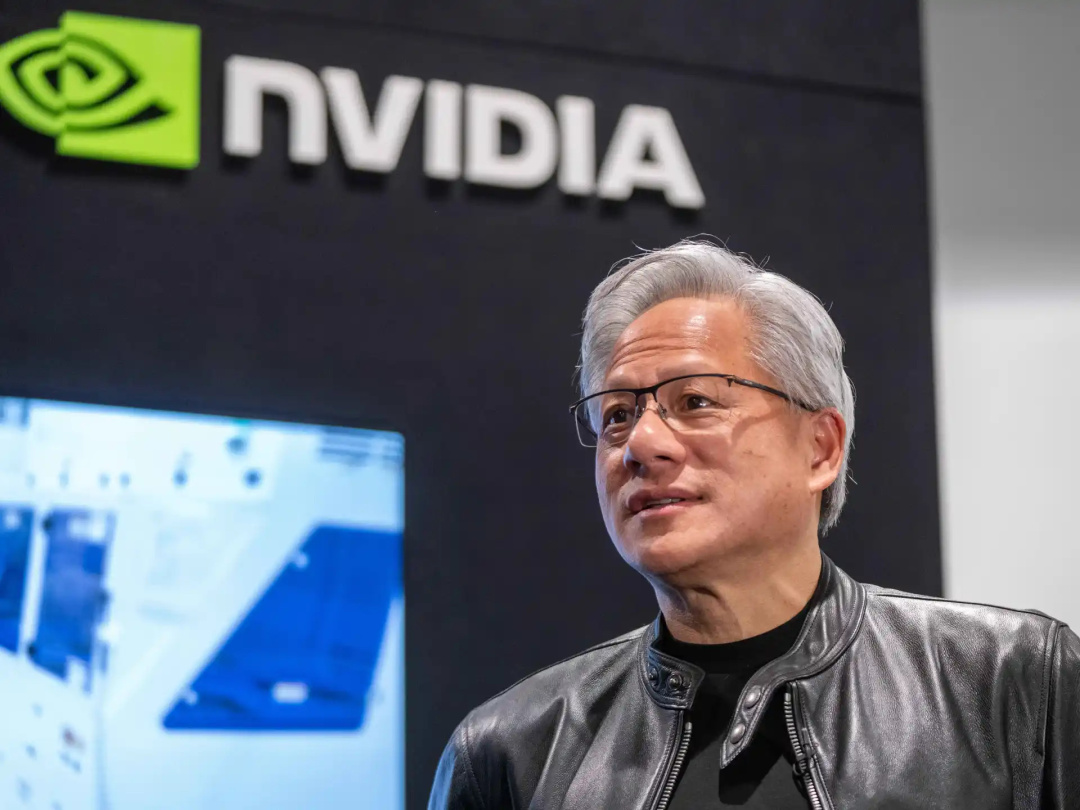
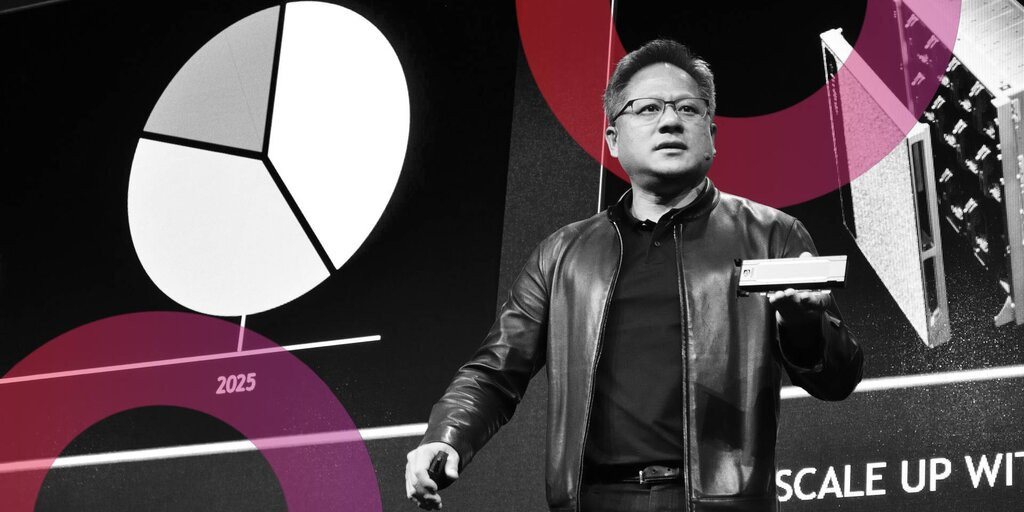
Jensen Huang's return as CEO of Nvidia, the world's leading chipmaker, has sent the company's stock soaring, just two weeks after his resignation. His reinstatement has raised eyebrows regarding the increasing influence of Silicon Valley in Washington, particularly after President Trump claimed he was instrumental in the decision to bring Huang back. The controversy began when Huang resigned amid allegations of extramarital affairs, including connections to a woman alleged to be a Chinese spy, which Huang and Beijing have denied.
During Huang's brief absence, Chief Financial Officer Colette Kress stepped in as interim CEO while the board searched for a permanent replacement. However, the backlash from influential figures in Silicon Valley was swift, with a petition for Huang's reinstatement gathering over 180,000 signatures, including support from notable tech leaders like Elon Musk. Analysts warned that losing Huang could significantly impact Nvidia's market value, with estimates suggesting a potential 30 percent drop.
For Your Trading Desk
Sponsor Spike Success.
The board ultimately decided to reinstate Huang, with board chair Harvey C. Jones stating that his leadership was in the best interests of shareholders and employees. Huang expressed his honor in returning to lead Nvidia during a pivotal time in technology. Trump's involvement in the reinstatement has sparked discussions about the appropriateness of a sitting president influencing corporate governance, especially given the ongoing investigations into Nvidia's business practices and its ties to China.
Concerns Over Governance and Leadership Transparency at Nvidia
Corporate governance experts are calling for greater transparency regarding the extent of Trump's involvement in Nvidia's leadership decisions. They argue that while boards can consider government input, they should not allow external parties to dictate CEO appointments without clear explanations to shareholders. This situation highlights the delicate balance between corporate autonomy and governmental influence, particularly as the Trump administration grapples with concerns over Nvidia's operations.
Market Enthusiasm Following Huang's Return and Its Broader Implications
The market reaction to Huang's return was overwhelmingly positive, with Nvidia shares rising approximately 31 percent in early trading. This rally extended to broader U.S. stock markets, with major indices closing in positive territory. Other tech companies also saw gains, reflecting Nvidia's significant role in the market. As of October, Nvidia accounted for 8.1 percent of the Nasdaq 100 index, underscoring its influence on the tech sector.
As Nvidia navigates its future under Huang's leadership, the implications of this corporate saga may resonate beyond the company itself. The dynamics of corporate governance in Silicon Valley could be reshaped by this incident, particularly as the incoming Congress may seek to impose stricter oversight on large corporations. Huang's reinstatement raises questions about the accountability of tech leaders and the potential for government scrutiny in corporate affairs, especially as the political landscape evolves.