Trump Attributes $6 Trillion Stock Market Drop to Democrats' Midterm Wins
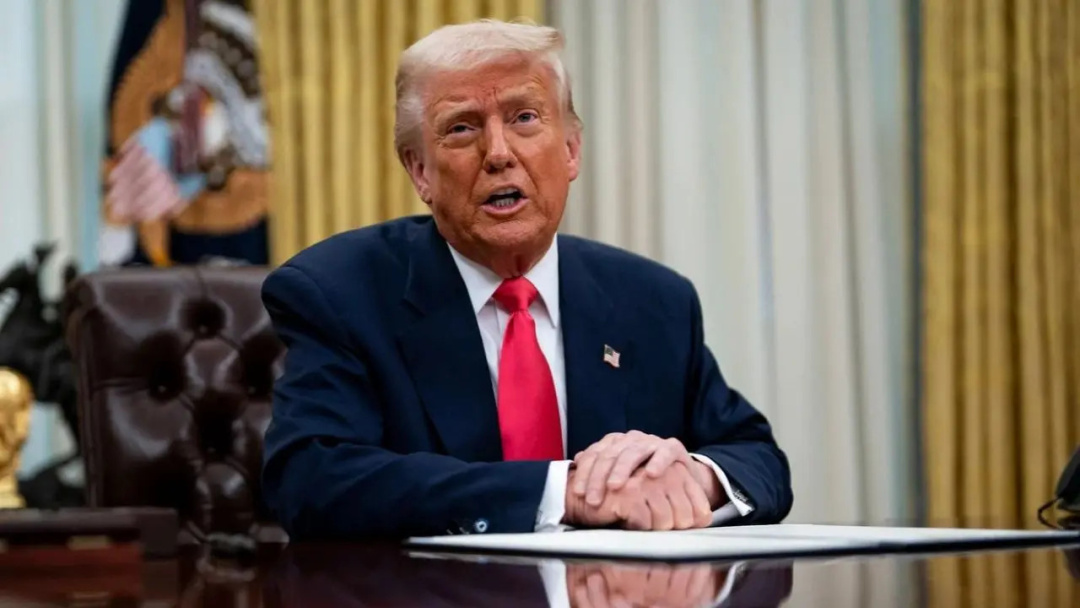
In a recent statement, President Donald Trump suggested that the stock market's significant downturn is a direct consequence of the Democratic wins in the midterm elections. He claimed that the market has dropped more than $6 trillion since the elections held on November 3rd, with the NASDAQ index alone falling by 20 percent. Trump characterized the Democrats' policies as 'BAD,' asserting that they are anti-growth and focused solely on retribution.
Trump warned that if the Democrats do not change their approach quickly, the situation could worsen. Despite his concerns, he expressed optimism for the future, stating that the country would soon be 'STRONG AGAIN' and that positive developments are on the horizon.
For Your Trading Desk
Sponsor Spike Success.
The stock market's decline began on election day, as investors reacted to the prospect of Democratic control. In a follow-up post, Trump reiterated his predictions regarding the elections, stating that he had foreseen a substantial market drop if the Democrats were victorious. He also commented on international issues, specifically mentioning Iran's increased aggression following the election results.
Why Reports Matters Here
According to reports, the stock market experienced declines not seen since World War II, with the NASDAQ composite index falling significantly from its all-time high earlier in October. The index has reportedly dropped over 4,700 points since reaching a record close of 27,599.886 on October 6.
Political Shifts Raise Economic Concerns Post-Elections
In the aftermath of the midterm elections, Democrats have indicated plans to investigate Trump officials and U.S. corporations linked to the president. They have also made promises regarding immigration that could impact economic affordability, which has drawn criticism from Trump and his supporters.
As the political landscape evolves, the implications for the stock market and broader economic conditions remain a point of contention among analysts and investors.