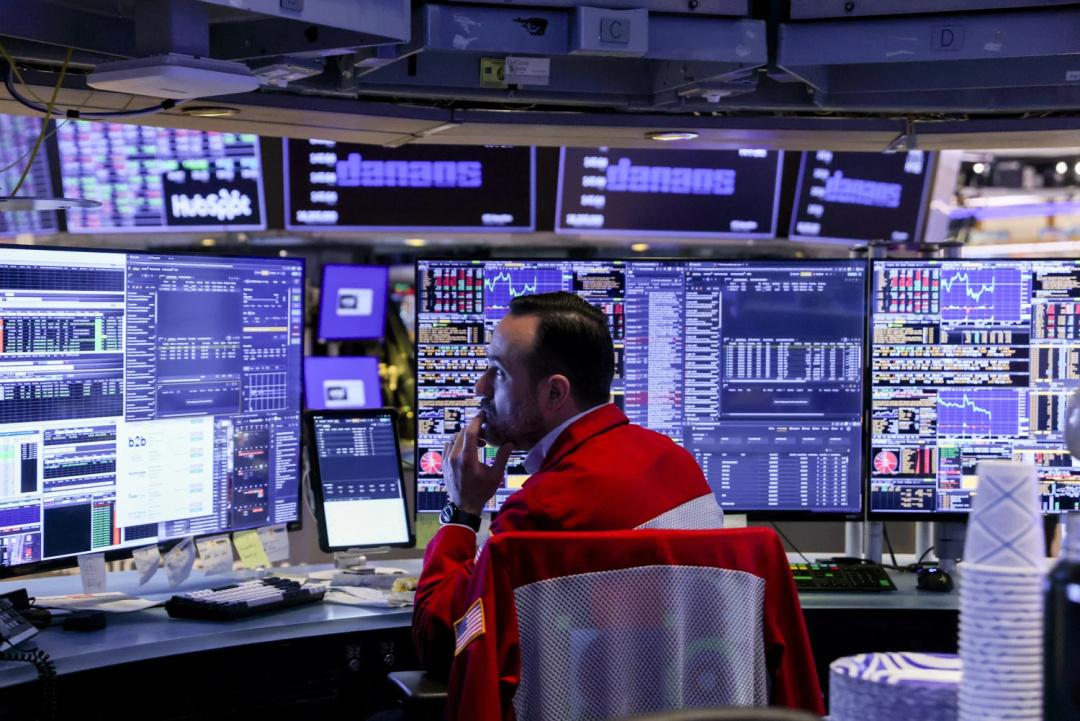
Nasdaq Faces Significant Correction Amid Nvidia's Stock Decline

The Nasdaq index has fallen more than 16% from its recent peak of approximately 27,600 on October 6, 2026, to about 23,100 by November 20, 2026. This marks the index's third correction of the year, erasing all of its gains for 2026. The selloff is largely attributed to a significant rotation away from AI-related stocks, driven by concerns over inflated valuations, rising interest rates, and shifts in Federal Reserve policy.
Nvidia, a leading supplier of chips for AI data centers, has been at the center of this turmoil. Its stock has dropped roughly 46% over a seven-week period, marking its longest losing streak since the 2008 financial crisis. The company's market capitalization has decreased by over $2 trillion from its peak valuations, reflecting investor anxiety.
For Your Trading Desk
Sponsor Spike Success.
Adding to the uncertainty, Nvidia's CEO Jensen Huang resigned on November 12, 2026, amid allegations of extramarital relationships linked to individuals flagged by U.S. intelligence for potential espionage ties. Furthermore, a reported SEC investigation into potential accounting issues has unsettled investors. In response, Nvidia's board established a national-security and export-compliance oversight committee and appointed CFO Colette Kress as interim CEO. However, on November 23, the board voted unanimously to reinstate Huang, leading to a more than 25% jump in shares during premarket trading.
The repercussions of Nvidia's decline have extended beyond the company itself. The S&P 500 and Dow Jones indices have also entered correction territory, reflecting the broader market impacts stemming from the tech selloff. Analysts note that while markets can adjust to a slowdown in demand, uncertainty surrounding company leadership tends to create prolonged volatility.
Risks of Concentrated Tech Investments
Investors who believe they own a diversified tech index may actually be heavily weighted in a few AI stocks. A benchmark that rises based on a few dominant players is only as stable as those companies, and currently, Nvidia's challenges are under scrutiny.
Market Implications of Nvidia's Decline
The current market dynamics highlight the risks associated with over-reliance on key tech stocks. As Nvidia's situation unfolds, it serves as a cautionary tale for investors about the importance of diversification in their portfolios. The volatility seen in the Nasdaq and other indices underscores the need for a more balanced approach to investing in the tech sector, particularly as the landscape continues to evolve amid regulatory scrutiny and market pressures.
The recent developments in Nvidia's leadership and the broader implications for the tech market will likely continue to influence investor sentiment in the coming weeks. As the market navigates these challenges, the focus will remain on how companies adapt to changing conditions and the potential for recovery in the tech sector.